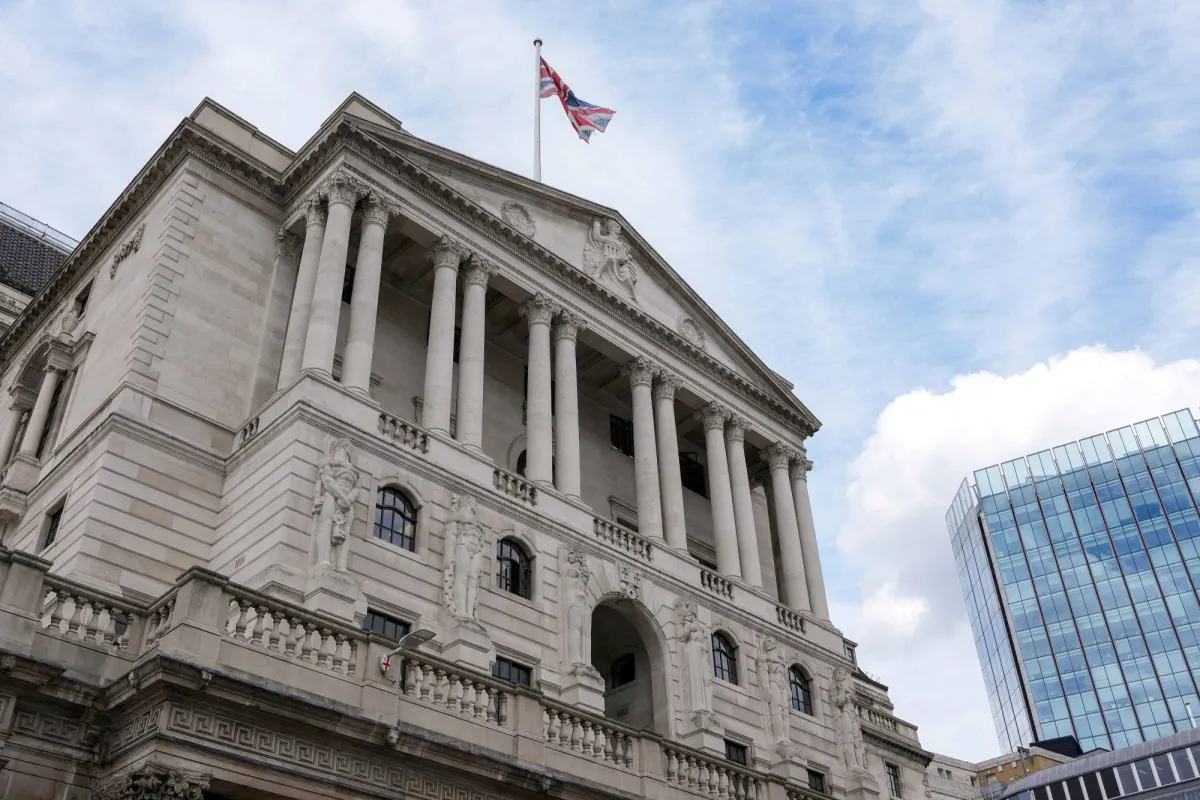
The Bank of England is expected to keep interest rates unchanged this week as it evaluates the increasing economic repercussions of the Iranian war and its impact on inflation and growth. This decision comes at a time when investors are closely monitoring any signals regarding the monetary policy direction in the coming months.
In March, the bank held interest rates steady, reflecting ongoing uncertainty about the conflict's effects on the British economy. As geopolitical ambiguity continues, analysts expect the bank to make a similar decision on Thursday, according to reports from Reuters.
Details of the Event
Nevertheless, investors anticipate that the cycle of interest rate hikes will return later this year, with markets currently pricing in the likelihood of two quarter-point increases in July and September, with a lower probability of a third increase before the end of the year. This comes despite warnings from Governor Andrew Bailey against rushing into such decisions.
The upcoming meeting of the Monetary Policy Committee is expected to spark debate over raising rates to 4 percent, in anticipation of a new inflationary wave, especially after inflation exceeded 11 percent in 2022. Forecasts indicate a vote of 8-1 in favor of maintaining rates at 3.75 percent, compared to a unanimous vote in the previous meeting.
Background & Context
The British economy is considered one of the most affected by rising energy prices due to the war, given its significant reliance on natural gas imports. Recent data has shown an increase in business input costs, reinforcing expectations of continued inflationary pressures throughout the next year.
The International Monetary Fund has projected that inflation in the UK will peak at 4 percent this year, after remaining the highest among G7 countries in recent years. In contrast, policymakers point to risks of a slowing labor market and declining consumer and business confidence, which intensifies the debate within the bank regarding the appropriate timing for any additional tightening.
Impact & Consequences
As uncertainty continues regarding the course of the war and its repercussions, the Bank of England is likely to reaffirm its readiness to act when necessary, without providing definitive signals about the timing of any changes. Hugh Pill, the bank's chief economist, indicated that a "wait-and-see" approach may not be sufficient if the effects of inflation do not become clear quickly.
The bank is expected to release its first comprehensive economic update since the outbreak of the war, which may show rising inflation and weakening growth during 2026 and 2027, complicating monetary policy decisions further.
Regional Significance
The Arab region is significantly affected by the repercussions of the Iranian war, as disruptions in energy markets contribute to rising oil prices, negatively impacting the economies of oil-importing countries. Additionally, the ongoing uncertainty in the market may affect investments and trade in the region.
In conclusion, the current situation demonstrates that the Bank of England is adopting a cautious policy amid volatile economic conditions, reflecting the challenges faced by global economies in light of successive crises.