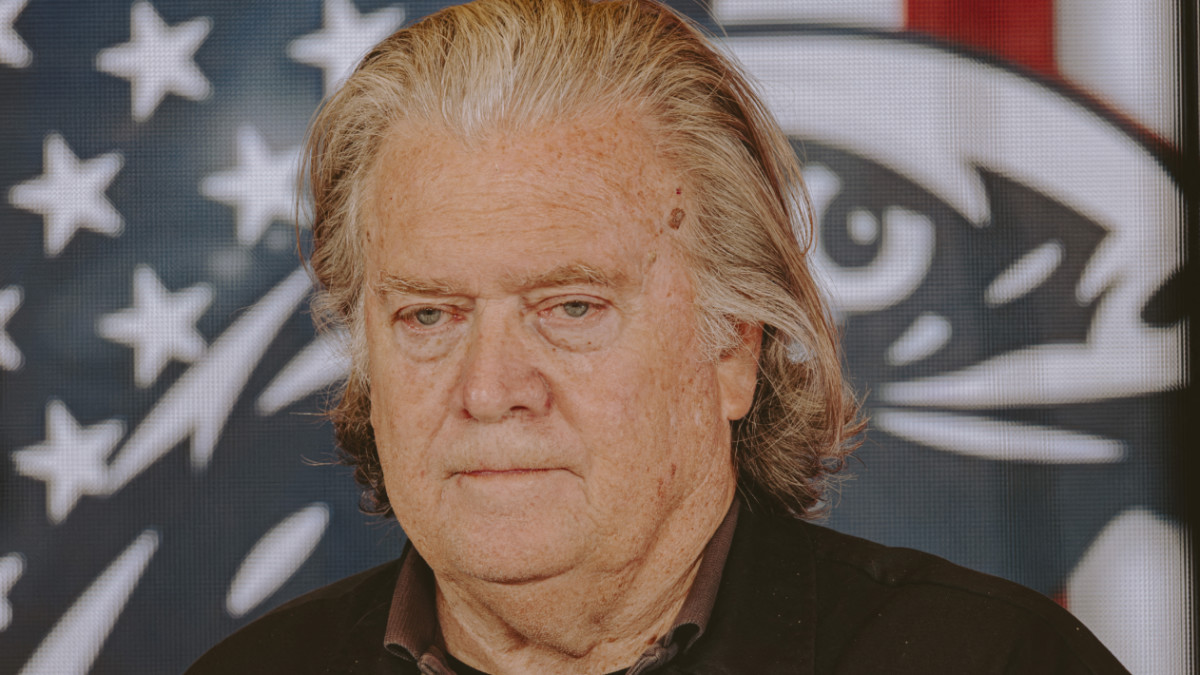
Former advisor to President Donald Trump, Steve Bannon, has called for the sons of Gulf leaders, including Yair Netanyahu, the son of the Israeli Prime Minister, to be sent to the front lines in the fight against Iran. This statement was made during his talk show "War Room," where he emphasized that these individuals should be at the forefront before the United States deploys its troops. Yair Netanyahu, who resides in Miami, is eligible for service in the Israeli military reserves but has not returned to his country since the conflict began in October 2023.
Bannon, who played a significant role in Trump’s 2016 election campaign, criticized Gulf leaders for their lavish lifestyles in the West while American soldiers prepare for combat. He stated, "Let’s send the sons of Arab rulers to the front lines, and I want to see Emiratis and Saudis at the forefront."
Bannon's Statements and Their Timing
Bannon's remarks come at a sensitive time, as reports indicate that Israel will not send troops to Iran even if the United States launches a ground attack. Bannon pointed out that the United Arab Emirates, under the leadership of Mohammed bin Zayed, should take responsibility for an attack on the Iranian island of Kharq, which is considered a strategic point in the conflict.
He further added that Gulf leaders must bear their responsibilities in facing Iran, saying, "If they want an American invasion, they must send their forces too." These statements reflect the increasing tensions in the region, where Gulf countries face threats from Iran, which has retaliated against American and Israeli attacks by launching missiles and drones.
Background & Context
Historically, relations between the United States and Iran have been strained, especially after Trump withdrew from the Iranian nuclear deal in 2018. Since then, tensions have escalated, with the United States accusing Iran of supporting armed groups in the region. In turn, Iran seeks to enhance its influence in the Gulf, leading to an increase in attacks on American and Israeli interests.
In recent years, the region has witnessed a rise in missile and drone attacks, prompting Gulf countries, such as Saudi Arabia and the UAE, to reassess their security strategies. Some of these countries have shown support for American attacks on Iran, while previously trying to avoid escalation.
Impact & Consequences
Bannon's statements are indicative of the political trends in the United States towards Iran, as some officials seek to push Gulf countries to take on more military burdens. These calls could lead to an escalation of conflict in the region, threatening regional security and complicating relations between Arab states and Iran.
If these dynamics continue, we may witness significant shifts in regional alliances, where Gulf countries may be compelled to take clearer stances in the conflict against Iran. This could lead to internal divisions within some countries, as some oppose direct military intervention.
Regional Significance
For Arabs, these statements reflect the ongoing tensions in the region, as Gulf countries face increasing pressure from Iran. If the United States continues to support attacks on Iran, other Arab countries may be affected, as they may find themselves forced to choose between supporting the U.S. or maintaining their relations with Iran.
Ultimately, the question remains how Arab governments will handle these challenges and whether they will take effective steps to protect their interests amid these changing circumstances. Responding to these pressures will be crucial in determining the future of regional relations.