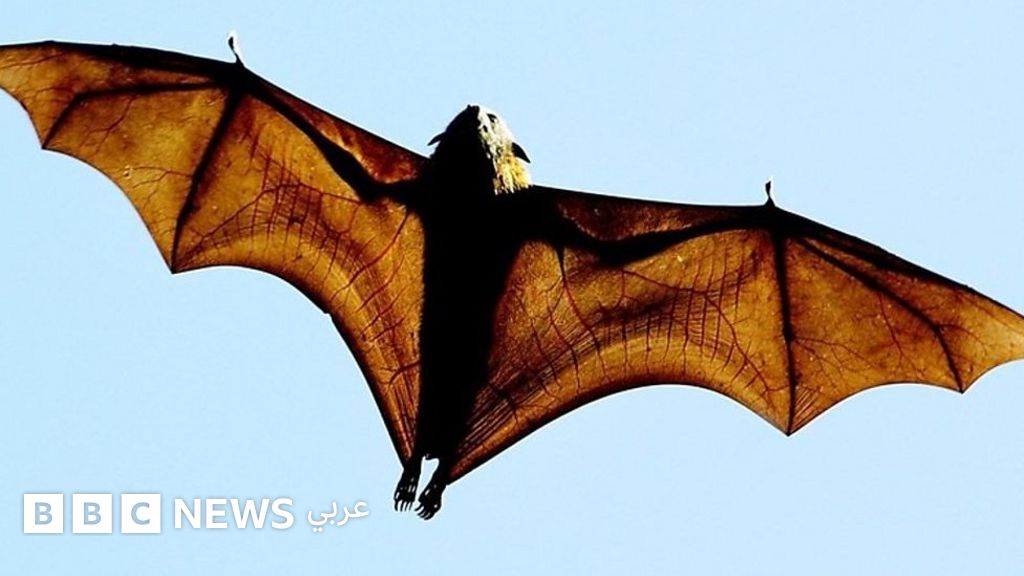
In an innovative step, researchers at Worcester Polytechnic Institute have developed a sensing system based on ultrasonic waves and artificial intelligence algorithms, enabling drones to fly with high efficiency and low energy consumption. This technology represents a significant advancement in improving the ability of drones to explore their surroundings in complex weather conditions such as fog and smoke.
Small unmanned aerial vehicles face significant challenges in determining their destination, as most rely on cameras or lasers, which are systems prone to disruption in dark or foggy environments. Therefore, enhancing these drones, which are used in search and rescue operations, is essential to boost their effectiveness in difficult environments.
Details of the Technology
Researchers believe that the solution lies in improving sensing technologies, which will enable drones to operate more efficiently in harsh conditions. This new development opens wide horizons for the future of unmanned aviation, enhancing search and rescue capabilities in emergencies.
These advancements are expected to significantly improve the operational efficiency of drones, allowing them to navigate and perform tasks in environments that were previously challenging.
Background & Context
Unmanned aerial vehicles are a crucial part of modern technological advancements, being utilized in various fields such as surveillance, aerial photography, and search and rescue. However, the challenges they face in adverse weather conditions have been a barrier to their effective use.
As technology continues to evolve, the integration of advanced sensing systems is becoming increasingly important for the operational success of drones in diverse applications.
Impact & Consequences
This new technology could contribute to saving lives by improving the response of rescue teams in emergencies, making it a vital tool in addressing natural disasters or accidents. The ability to operate in challenging conditions can significantly enhance the effectiveness of rescue operations.
Moreover, the implications of this technology extend beyond search and rescue, potentially impacting various sectors that rely on aerial surveillance and data collection.
Regional Significance
The development of these bat-inspired drones holds particular significance for regions prone to natural disasters, where timely and effective response is critical. By improving the capabilities of drones, communities can better prepare for and respond to emergencies.
In conclusion, the advancements in drone technology, particularly those inspired by nature, represent a promising future for aviation and emergency response, paving the way for more efficient and effective operations.