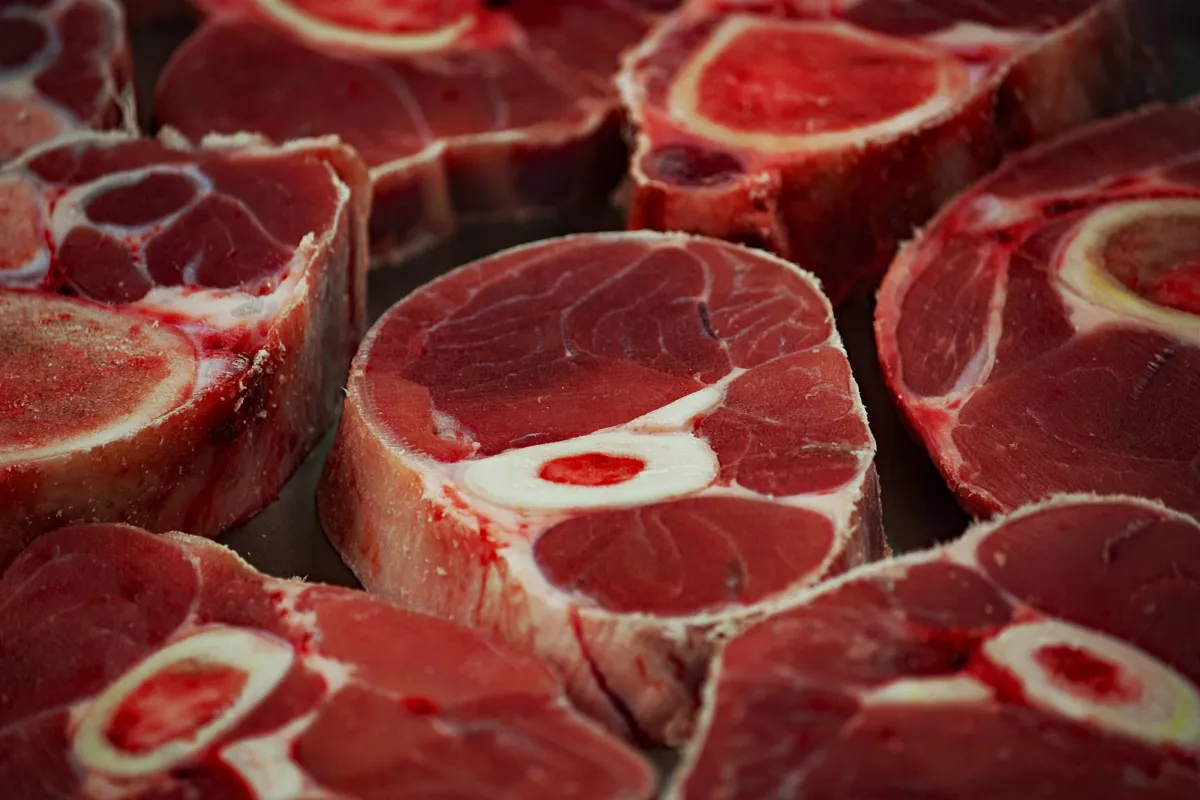
Nutrition experts have revealed that consuming beef tallow, commonly used in traditional cooking, may lead to increased levels of harmful cholesterol in the blood. Despite its nutritional benefits, its negative effects on heart health warrant caution.
Beef tallow is a type of fat extracted from the solid fat surrounding the organs of cattle, and it is commonly used in many traditional dishes. However, the nutritional composition of beef tallow, which is high in saturated fats, raises concerns about its impact on cardiovascular health.
Details of the Findings
The fats in beef tallow are primarily composed of saturated fats, which account for about half of its fatty acids. While it contains some monounsaturated fats and a small amount of polyunsaturated fats, consuming large quantities of saturated fats can lead to increased levels of harmful cholesterol (LDL) in the blood. Studies have shown that consuming beef tallow in large amounts can activate biological pathways that increase cholesterol production in the liver.
Heart health requires a delicate balance between different types of cholesterol. While genetic factors and lifestyle play a role in increasing the risk of heart disease, elevated triglyceride levels and low levels of good cholesterol (HDL) or high levels of harmful cholesterol (LDL) increase the risk of heart problems.
Background & Context
Research indicates that diets rich in animal fats, such as beef tallow, may contribute to increased levels of harmful cholesterol. In a study conducted on animals, it was found that mice fed beef tallow had significantly higher total cholesterol and harmful cholesterol levels compared to those fed vegetable oils such as corn oil.
Although saturated fats may slightly increase levels of good cholesterol, this increase does not compensate for the potential harmful rise in bad cholesterol resulting from excessive consumption of saturated fats. Additionally, consuming large amounts of saturated fats may increase the tendency of harmful cholesterol particles to clump together, raising the risk of artery blockages.
Impact & Consequences
Modern health trends require special attention to the types of oils used in cooking. Avocado oil is increasingly considered a healthy option, thanks to its nutrient-rich composition and multiple health benefits. It contains monounsaturated fats, which help lower levels of harmful cholesterol and increase good cholesterol.
Incorporating avocado oil into the diet may contribute to improved metabolism and enhance feelings of fullness, aiding in weight management. Avocado oil is also beneficial for skin and hair, as it contains antioxidants that protect the skin from free radicals.
Regional Significance
In the Arab region, where animal fats are widely used in cooking, awareness of the health impacts of beef tallow should be part of discussions on healthy nutrition. It is advisable to reduce the consumption of saturated fats and seek healthier alternatives such as vegetable oils.
In conclusion, the consumption of beef tallow should be controlled, with a focus on healthier options like avocado oil, to ensure cardiovascular health.