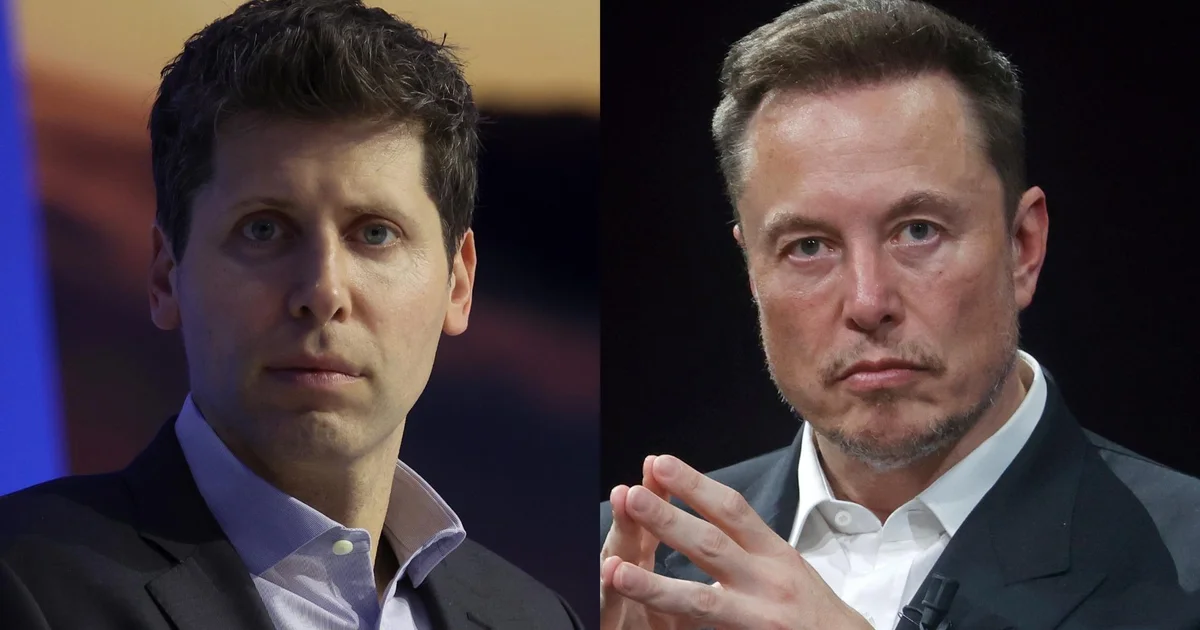
The trial of Elon Musk and Sam Altman has begun, highlighting the future of artificial intelligence and the role of major companies in shaping this field. Musk, one of the founders of OpenAI, accuses the company of deviating from its primary mission of developing AI for the benefit of humanity in favor of profit, while OpenAI's lawyers defend that the case arises from Musk's dissatisfaction with some of their decisions.
The trial aims to shed light on the tensions between innovation and profit in the tech industry. Musk, known for his ambitious vision, believes that OpenAI has strayed from its original path, raising questions about the ethics of AI development.
Details of the Case
At the beginning of the trial, Musk presented his claims that OpenAI has increasingly focused on profit-making rather than adhering to its social responsibilities. He pointed out that this shift could negatively impact the development of AI technologies that could have far-reaching effects on society.
On the other hand, OpenAI's lawyers responded by stating that Musk was dissatisfied with certain decisions made by the company, which escalated the legal dispute. They affirmed that OpenAI continues to adhere to its core principles and that the accusations against it are merely an attempt to tarnish its reputation.
Background & Context
Founded in 2015, OpenAI aimed to develop artificial intelligence in a safe and responsible manner. However, in recent years, there has been increasing pressure to achieve profitability, sparking debate on how to balance innovation with ethical considerations. Musk is one of the prominent figures raising discussions about the potential risks of AI, having issued multiple warnings about its negative impacts.
Impact & Consequences
The outcomes of this trial could significantly affect the future of the AI industry. If Musk's claims are validated, it may lead to changes in how major companies manage their AI projects, potentially imposing higher ethical standards. Additionally, this case could open the door for discussions on how to better regulate the industry, ensuring that innovations in AI serve the public interest rather than merely being a means for profit.
Regional Significance
The implications of this trial extend beyond the courtroom, as it touches on broader issues of ethics and accountability in technology. The outcome could influence not just OpenAI but also other tech companies, prompting them to reassess their ethical commitments in AI development. As society grapples with the rapid advancements in AI, the trial serves as a critical juncture in determining the direction of this transformative technology.
In conclusion, the trial of Musk and Altman is not just a legal battle; it is a pivotal moment that could shape the future of artificial intelligence and its ethical considerations. The discussions and decisions made in this courtroom will resonate throughout the tech industry and society at large.