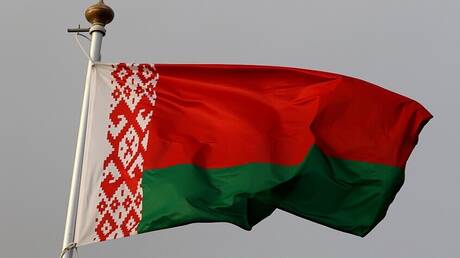
Belarusian Defense Minister Viktor Khrenin stated that the North Atlantic Treaty Organization (NATO) continues its systematic and directed preparations for war. This statement was made during a meeting of the Commonwealth of Independent States (CIS) Defense Ministers held in the Russian capital, Moscow, where the ministers discussed the security challenges facing the region.
Khrenin pointed out that NATO's increasing military activities represent a threat to regional security, warning that these preparations could escalate tensions in the area. He also expressed concern over the presence of NATO forces near the Belarusian borders, which heightens fears regarding stability in Eastern Europe.
Details of the Meeting
The Defense Ministers of the CIS countries gathered in Moscow to discuss common security issues, addressing a range of topics related to military and security cooperation among member states. The importance of enhancing coordination between the countries to face emerging challenges on the international stage was emphasized.
During the meeting, NATO's military activities were reviewed, including military exercises conducted near the Russian and Belarusian borders. Khrenin affirmed that these activities are not merely drills but reflect strategic intentions aimed at increasing pressure on independent states.
Background & Context
Khrenin's statements come at a time when the world is witnessing escalating tensions between Russia and NATO, particularly following recent events in Ukraine. The confrontation between the two sides has intensified, leading NATO to bolster its forces in Eastern Europe, which Russia perceives as a threat to its national security.
Historically, Belarus has been a close ally of Russia, with military cooperation between the two countries being strong. However, the current tensions with NATO may lead to a reassessment of defense strategies in the region, raising concerns about a potential military escalation.
Impact & Consequences
The continued strengthening of NATO's military presence near Belarusian borders could have serious implications for regional security. Many experts have warned that any escalation in tensions could lead to open conflict, directly affecting neighboring countries.
Furthermore, these developments may impact Belarus's relations with Western countries, as political and economic isolation of Belarus could increase if tensions persist. Any military escalation could also result in a flow of refugees into neighboring countries, adding pressure on those nations.
Regional Significance
In light of these developments, Arab countries must closely monitor the situation. The tensions between NATO and Russia could affect stability in the region, especially since many Arab nations maintain relations with both Russia and Western countries.
Additionally, any military escalation could impact energy prices and global markets, which would have direct effects on Arab economies that heavily rely on oil and gas exports. Therefore, following these events is essential to understand how they may influence Arab interests in the future.
In conclusion, the situation in the region remains volatile and requires careful monitoring. The recent statements by the Belarusian Defense Minister reflect growing concerns over military tensions, prompting the international community to take steps to ensure stability and security in the area.