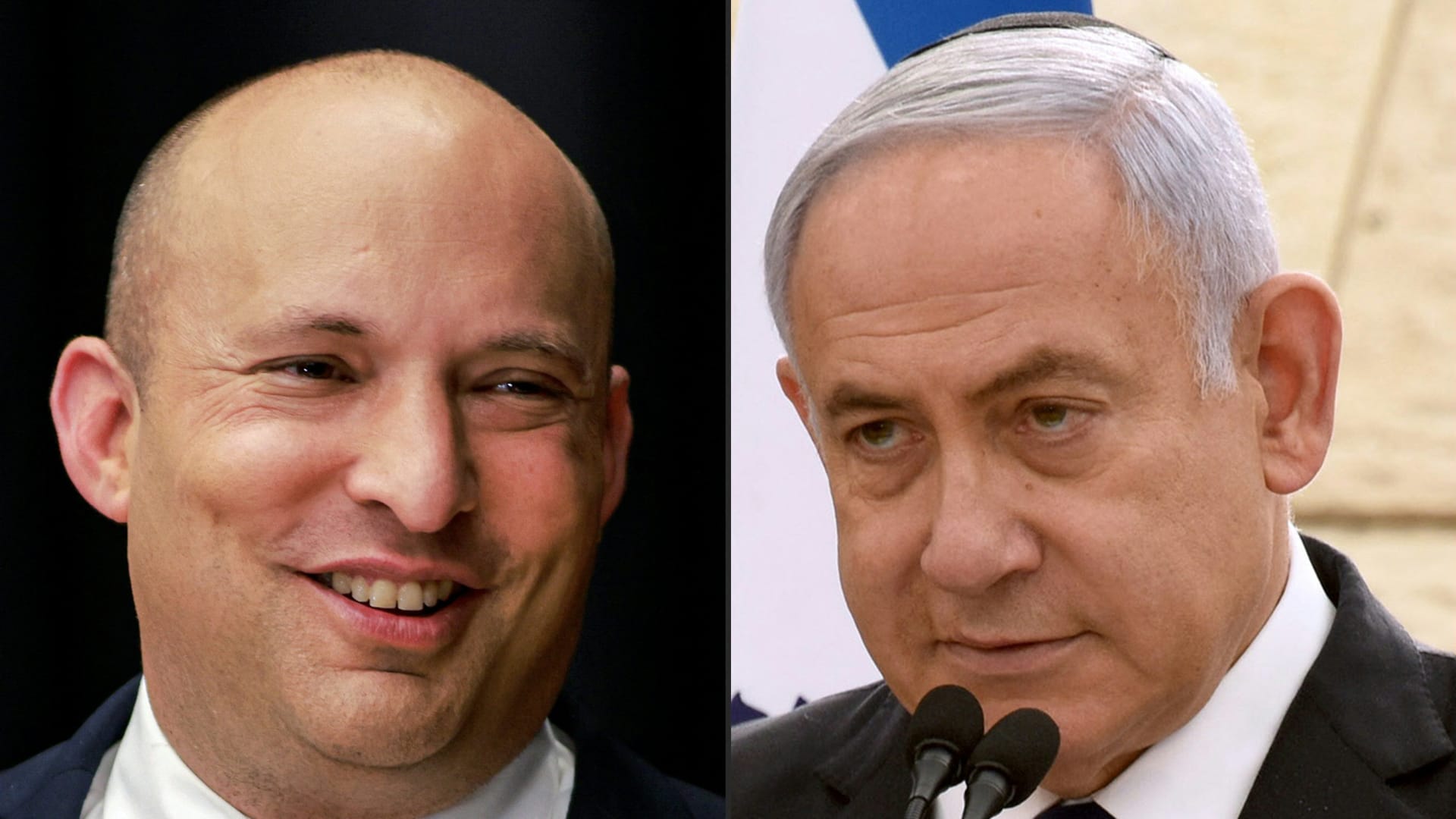
Former Israeli Prime Minister Naftali Bennett asserted on Thursday that the current Israeli government leader, Benjamin Netanyahu, lacks the necessary strategy to achieve victories in complex arenas such as Gaza, Lebanon, and Iran. In an interview with Channel 12, Bennett noted that the political situation within the current government impedes the Israeli army's ability to secure victories on these fronts.
Bennett, who held the prime minister's office for a brief period, pointed out that the challenges facing Israel in these regions require strong leadership and a clear strategic vision, which he claims Netanyahu lacks. He also criticized the military and political performance of the government, indicating an urgent need to reassess the strategies employed in dealing with regional crises.
Details of the Event
During the interview, Bennett added that the current government suffers from internal divisions that negatively impact military decisions. He explained that these divisions make it difficult for the Israeli army to execute successful operations in Gaza and Lebanon, where strong opposing forces like Hamas and Hezbollah are present. He also noted that Iranian threats require an immediate and effective response, which seems to be currently lacking.
Bennett did not hesitate to directly criticize Netanyahu, stating that the current government lacks the strategic vision that was present in previous administrations. He argued that the current situation necessitates decisive actions rather than hesitation and reliance on temporary solutions.
Background & Context
Bennett's statements come at a sensitive time for Israel, as tensions in the region escalate amid the ongoing conflict in Gaza and Lebanon. Recent years have seen an increase in military actions between Israel and Hamas, alongside growing threats from Iran. These conditions place significant pressure on the Israeli government, as citizens expect tangible results from their leadership.
It is worth noting that Bennett assumed the prime minister's office in 2021 but resigned after a short period, reflecting the political instability that Israel has faced in recent years. This shaky political stability directly impacts the government's ability to make effective strategic decisions in the face of security challenges.
Impact & Consequences
Bennett's remarks indicate a growing concern within political and military circles in Israel regarding the ability to confront external threats. If the current government continues to fail in achieving tangible victories, it may lead to a loss of confidence among Israeli citizens in their political leadership. Furthermore, this situation could open the door for other political forces to capitalize on the prevailing frustration.
Regionally, these tensions could lead to greater escalation in conflicts, as regional powers like Iran and Hezbollah seek to exploit perceived weaknesses in Israeli leadership for strategic gains. This could complicate the security situation in the region and exacerbate humanitarian crises.
Regional Significance
Bennett's statements serve as an indicator of the challenges facing Israel, which may directly affect neighboring Arab countries. The instability in Israel could lead to heightened tensions in Palestinian territories, negatively impacting regional security. Additionally, any military escalation could affect relations between Arab nations and Israel, complicating peace efforts in the region.
Ultimately, the question remains as to how the Israeli government will respond to current challenges and whether it will be able to achieve political and security stability under the prevailing conditions.