Anemia is a prevalent health problem that impacts blood health, characterized by a deficiency of iron or essential nutrients needed for the body to produce red blood cells. Improving blood health can be achieved naturally by consuming a variety of foods rich in necessary nutrients.
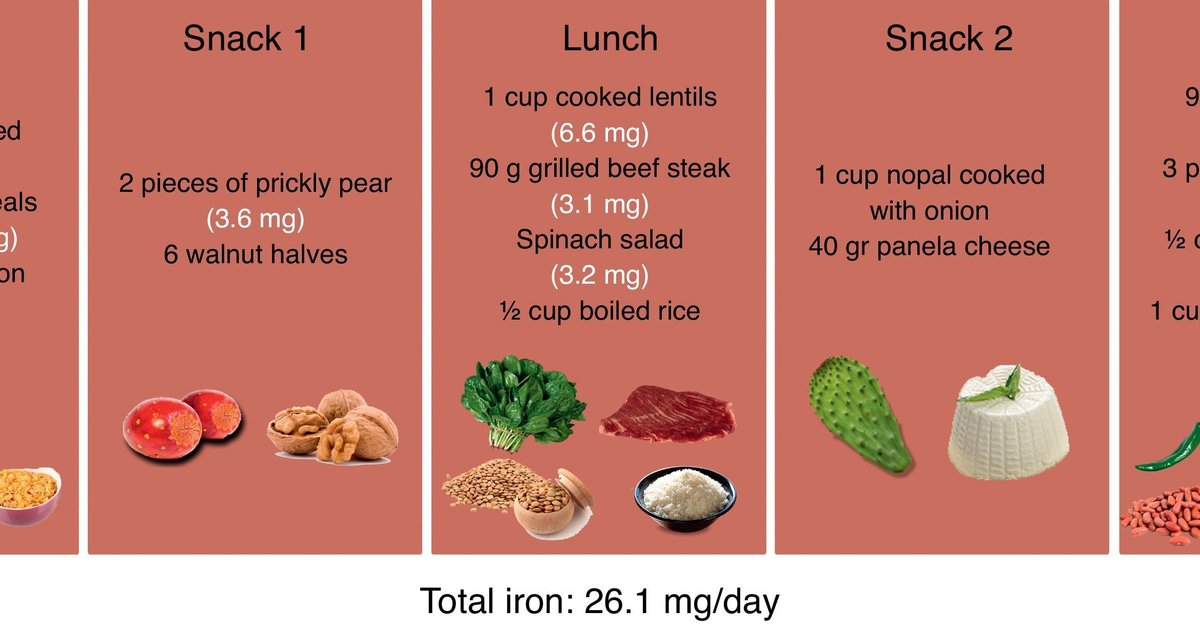
Studies indicate that proper nutrition plays a vital role in both the prevention and treatment of anemia. Therefore, here is a list of seven foods that can contribute to enhancing blood health and improving iron levels in the body.
Details of the Foods
1. Spinach: Spinach is a leafy green vegetable rich in iron and contains vitamin C, which aids in better iron absorption. It can be consumed in salads or as a juice.
2. Red Meat: Red meat is an excellent source of heme iron, which is easily absorbed by the body. It is preferable to choose lean cuts of meat.
3. Legumes: Foods like lentils and beans are rich sources of iron and proteins. They can be prepared in various dishes such as soups or salads.
4. Nuts: Nuts like almonds and cashews contain good amounts of iron. They can be eaten as snacks or added to various dishes.
5. Fish: Fish such as salmon and tuna are rich sources of iron and omega-3 fatty acids that promote heart health.
6. Eggs: Eggs contain iron and proteins and can be consumed in various ways, such as boiled or fried.
7. Dried Fruits: Dried fruits like raisins and apricots are rich sources of iron and can be eaten as snacks or added to cereals.
Background & Context
Anemia is a condition that affects many people worldwide, particularly women and children. According to the World Health Organization, approximately 1.62 billion people suffer from anemia, making it one of the most widespread health issues. Anemia can lead to feelings of fatigue and weakness and may impact daily performance.
The causes of anemia vary from iron deficiency to chronic diseases, necessitating special attention to nutrition. In this context, iron-rich foods play a crucial role in both prevention and treatment.
Impact & Consequences
If not treated appropriately, anemia can lead to serious health complications. These complications include weakened immunity, increased risk of diseases, and negative effects on growth and development in children.
Thus, consuming iron-rich foods is not only important for treating anemia but also for enhancing overall health and preventing diseases. It is always advisable to consult a doctor to determine the exact cause of anemia and follow a suitable dietary regimen.
Regional Significance
Anemia is a health issue affecting many Arab countries, where dietary and environmental factors contribute to the prevalence of this problem. In some countries, iron deficiency is one of the leading causes of anemia, necessitating increased nutritional awareness and the availability of nutrient-rich foods.
Addressing anemia in the Arab region requires joint efforts from governments and local communities to promote healthy nutrition programs and provide necessary information about beneficial foods.
In conclusion, improving blood health and treating anemia is achievable through a balanced diet rich in nutrients. Individuals should be aware of the importance of good nutrition in enhancing their overall health.