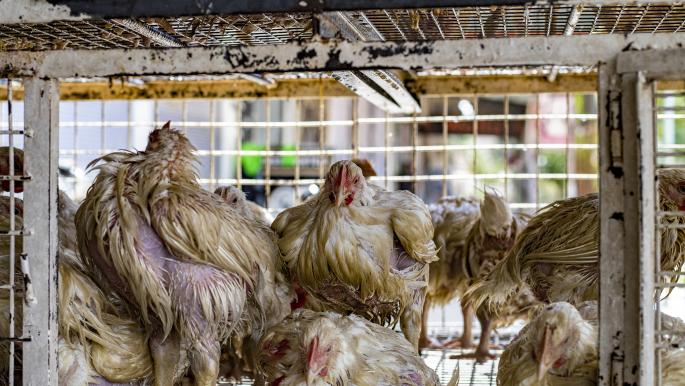
Activists and residents in several regions of Syria have launched a widespread campaign to boycott chicken products, lasting for ten days, in protest against the noticeable rise in prices of these products. The campaign has received a broad response from citizens who are suffering from deteriorating economic conditions.
This campaign comes at a time when the Syrian market is experiencing a significant increase in food prices, with chicken prices rising sharply, leading to widespread discontent among citizens. Many have expressed concern about how these prices affect their purchasing power, especially given the difficult economic circumstances the country is facing.
Details of the Campaign
The campaign began through social media, where activists posted calls for the boycott under various hashtags. It has included several areas such as Damascus, Aleppo, and Homs, where protests have been organized in some markets. Participants in the campaign emphasized that its goal is to make their voices heard by the government and demand a reduction in prices.
At the same time, some traders indicated that the price increases are due to rising production costs and a shortage of raw materials, putting them in a difficult position. However, citizens believe that these justifications do not justify the significant price hikes.
Background & Context
Syria has been experiencing years of successive economic crises due to ongoing conflict and imposed economic sanctions. These crises have led to a decline in living standards and an increase in poverty rates. According to previous reports, over 80% of the population lives below the poverty line, making any price increase directly impact their daily lives.
Food prices are among the most pressing issues on citizens' minds, as they have seen repeated increases over the past years. This has led to a rise in calls for boycotts as a means of expressing dissatisfaction with the economic situation.
Impact & Consequences
The boycott campaign is expected to affect the chicken market in Syria, potentially leading to a decrease in demand and, consequently, a drop in prices. However, this campaign may also exacerbate the situation for traders who rely on selling these products as their primary source of income.
This campaign could also pave the way for more protest movements in the future, as citizens feel that their voices have not been adequately heard by the government. This boycott may serve as a starting point for further popular movements against rising costs.
Regional Significance
This campaign in Syria reflects a general state of public anger that many Arab countries are experiencing due to economic crises. Countries such as Lebanon, Jordan, and Egypt have also seen significant increases in food prices, leading to similar protests.
The difficult economic conditions faced by Arab countries raise concerns about social and political stability in the region. As economic pressures mount, we may witness more protest movements reflecting citizens' dissatisfaction with economic policies.
In conclusion, the boycott of chicken products in Syria represents an expression of general discontent with economic conditions, and it may have wide-ranging implications for the market and society. The government needs to take serious steps to address these crises before matters worsen further.