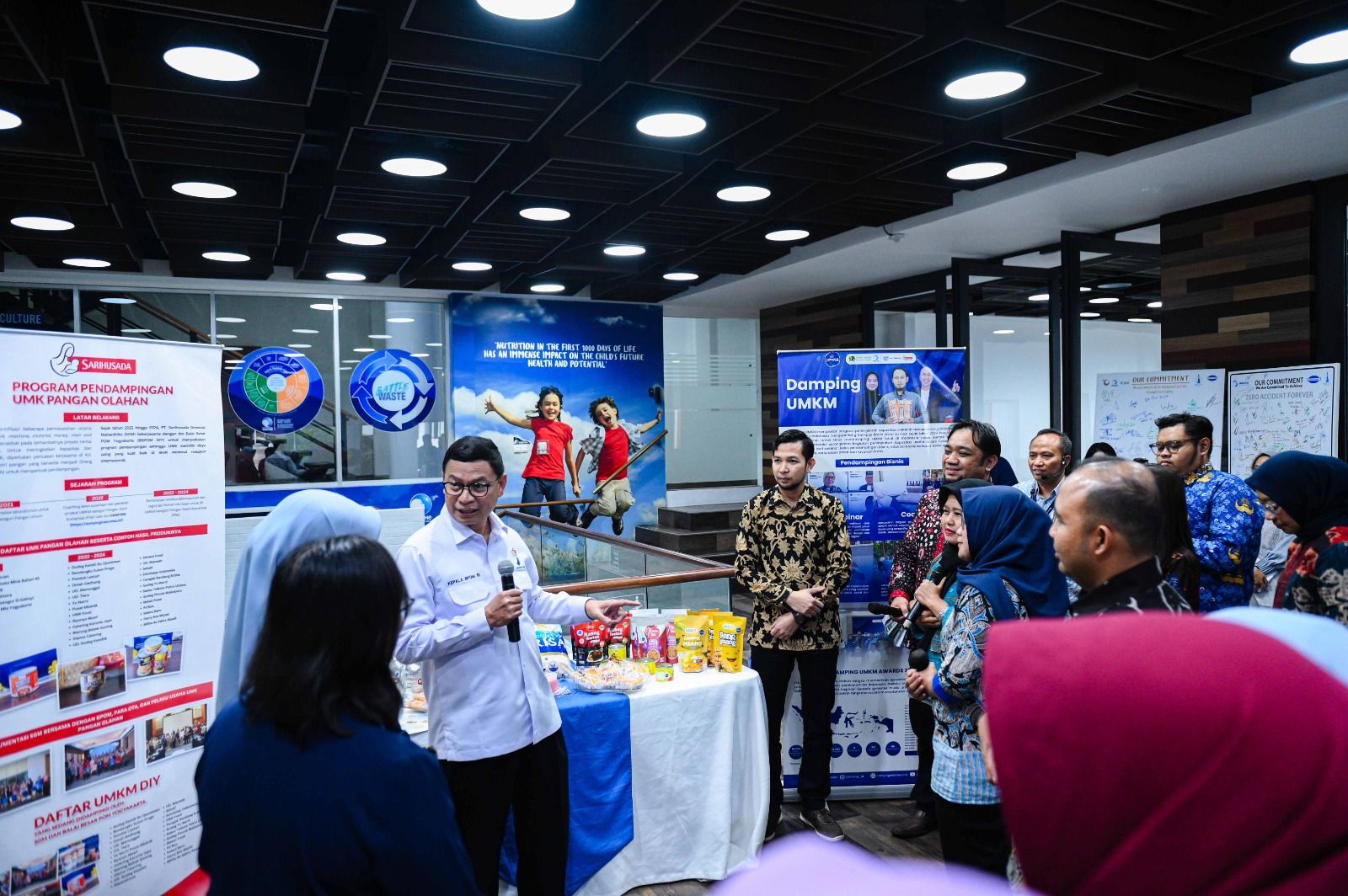
The National Agency of Drug and Food Control in Indonesia (BPOM) has declared its commitment to strictly monitor the Free Nutrition Program (MBG) in collaboration with the National Nutrition Agency (BGN). This announcement was made during a press conference in Jakarta, where BPOM Head, Taruna Ikar, emphasized that the agency will exert every possible effort to ensure the success of this program, which is a priority for the Indonesian government.
Ikar explained that BPOM has formal agreements with BGN to ensure the effective implementation of the program, noting that the government takes this matter very seriously. He assured that any issues that may arise within the program will be addressed immediately to ensure the safety of beneficiaries.
Budget Allocation and Monitoring Details
Ikar discussed the budget allocated for monitoring the program, which has sparked widespread debate on social media. He clarified that the current budget is sufficient for monitoring the program, with part of it allocated for post-incident monitoring, while another portion is used for quality control and compliance with health standards.
He also pointed out that BPOM is training and supporting companies involved in providing free nutrition services, reflecting the agency's commitment to implementing a comprehensive approach that includes both preventive and corrective monitoring, not just inspections.
Background & Context
This program comes as part of the Indonesian government's efforts to improve food security and enhance nutrition quality among the most vulnerable populations. The Free Nutrition Program was launched in response to the food challenges facing the country, especially amid the difficult economic conditions currently experienced.
The initiative aims to address nutritional deficiencies and ensure that those in need receive adequate support. It reflects the government's recognition of the critical role nutrition plays in public health and overall well-being.
Impact & Consequences
This initiative carries positive implications for Indonesian society, as it will contribute to reducing malnutrition rates and promoting public health. The collaboration between BPOM and BGN demonstrates the government's commitment to improving the quality of life for its citizens.
Furthermore, the program is expected to create a ripple effect, enhancing community awareness about nutrition and encouraging healthier eating habits among the population.
Regional Significance
The Free Nutrition Program is not only crucial for Indonesia but also serves as a model for other countries facing similar challenges. By prioritizing nutrition and food security, Indonesia sets an example for regional neighbors on how to tackle food-related issues effectively.
In conclusion, the commitment of BPOM to monitor the Free Nutrition Program is a significant step towards improving food security and nutrition quality in Indonesia, reflecting the government's efforts to address food challenges and enhance the well-being of its citizens.