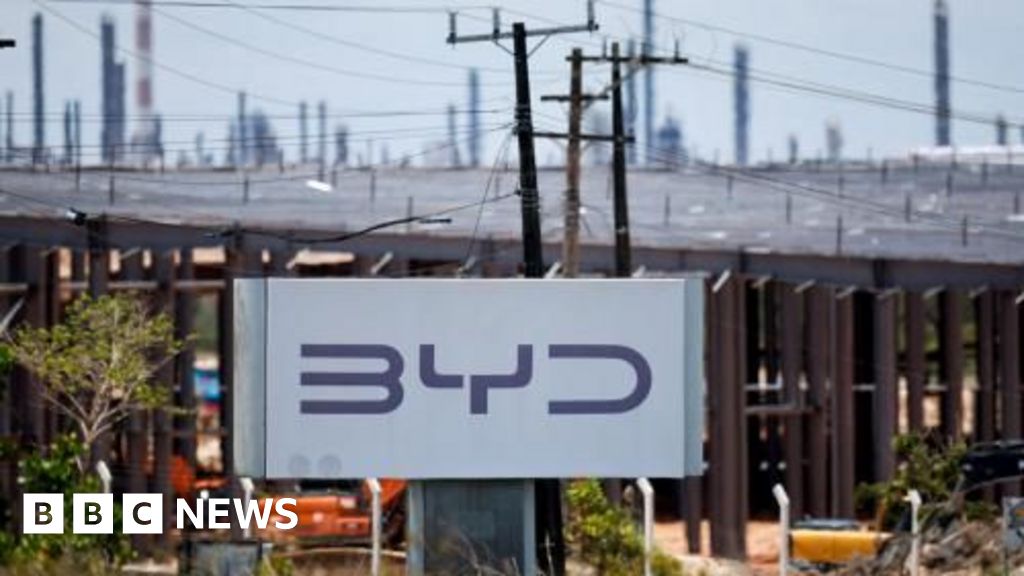
The Brazilian Ministry of Labor has officially blacklisted Chinese company BYD, regarded as the largest electric vehicle manufacturer globally, for imposing labor conditions akin to slavery. This decision came after investigations by Brazilian authorities revealed that around 163 Chinese workers were found working in inhumane conditions during the construction of a car factory in Bahia, northeastern Brazil.
BYD did not respond to a request for comment sent outside of official working hours, but it has previously denied the allegations made against it by the Brazilian government.
Details of the Blacklisting
The blacklist in Brazil, referred to as the "dirty list," includes companies that have been added after exhausting all appeal options at the governmental level. Companies listed face significant reputational risks, in addition to being barred from obtaining certain types of loans from Brazilian banks, although they can continue to operate.
Once a company is placed on this list, it remains for two years unless a court ruling is issued for its removal. Companies can avoid being listed by signing an agreement with the government in which they commit to changing their practices and compensating workers whose rights have been violated.
Background & Context
This case is part of the Brazilian government's efforts to combat forced labor and worker exploitation, an issue that is increasing in many countries, including Brazil. Historically, Brazil has faced significant challenges in this area, with multiple reports of forced labor, particularly in agricultural and industrial sectors.
Founded in 1995, BYD has achieved considerable success in the electric vehicle industry, being recognized as one of the leading companies in this field. However, its blacklisting could negatively impact its global reputation and complicate its operations in foreign markets.
Impact & Consequences
This decision could have significant repercussions for BYD, as it may face difficulties in securing the necessary funding to expand its operations in Brazil. Additionally, this issue may affect its relationships with business partners and investors who might hesitate to engage with a company facing such serious allegations.
Moreover, BYD's inclusion on the blacklist could encourage other companies to improve their working conditions to avoid falling into the same predicament. This decision may serve as a warning to foreign companies investing in Brazil, prompting them to adhere to international labor standards.
Regional Significance
This situation highlights the importance of labor rights amid foreign investments, affecting corporate reputations and reinforcing adherence to humanitarian standards. The Brazilian government's actions may set a precedent for stricter enforcement of labor laws, potentially leading to broader changes across various sectors.
In conclusion, the blacklisting of BYD not only reflects the Brazilian government's commitment to fighting labor exploitation but also emphasizes the need for companies to prioritize ethical labor practices in their operations.