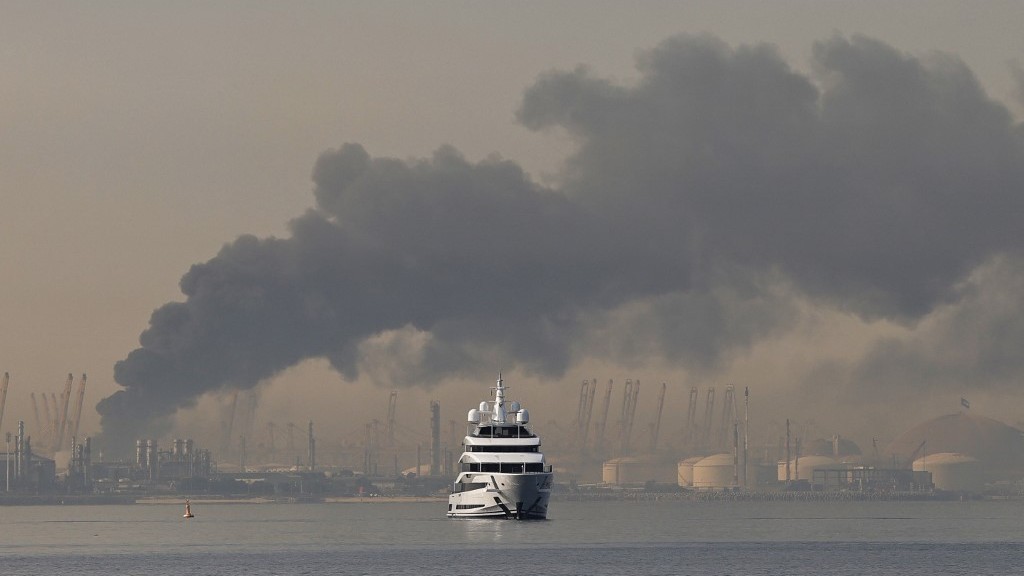
UAE authorities have detained a 25-year-old British flight attendant after she shared a photo of damage caused by a drone strike near Dubai International Airport. This incident is part of a broader crackdown targeting individuals documenting the war, raising concerns about Dubai's reputation as an open global center.
The flight attendant, who was working on one of the planes, was held after posting the image in a private WhatsApp group, where she asked her colleagues: "Is it safe to walk in the airport?" Subsequently, authorities searched her phone and charged her under strict cybercrime laws, which could lead to a penalty of up to two years in prison and a fine exceeding $50,000.
Details of the Incident
This incident comes amid a wave of arrests that began following the start of the Israeli-American war against Iran on February 28, 2026. Human rights reports indicate that many British citizens, including tourists, expatriates, and airline staff, have been detained for photographing or sharing images related to missile strikes and drone attacks.
The group Detained in Dubai suggests that the number of affected Britons could reach 70 individuals, with several facing charges under laws criminalizing content deemed "disturbing to public security." In one case, a 60-year-old British tourist was arrested after filming a strike, even though he deleted the video when approached by police.
Background & Context
The UAE, particularly Dubai, is striving to enhance its status as a global hub for tourism, business, and digital creatives. However, these arrests raise concerns about targeting communities that make up a significant portion of the population, which are essential to the country's economy and international appeal. The UAE's Attorney General has warned of "immediate criminal liability" for those sharing content during times of crisis.
There are growing fears that these actions could undermine the image Dubai has sought to build as an open and multicultural city. Rada Sterling, executive director of Detained in Dubai, stated: "There are numerous images, videos, and news reports circulating online about the conflict. People understandably assume that if something has been widely shared or published by the media, it should be acceptable to comment on or repost. In the UAE, this assumption can be extremely dangerous."
Impact & Consequences
Reports suggest that the crackdown could negatively impact the UAE's reputation as a tourist and business destination, with increasing concerns that these measures may deter tourists and investors. The arrests targeting individuals documenting the war could lead to a decline in trust in the UAE's ability to protect individual rights, potentially affecting foreign investment flows.
These events also reflect the rising tensions in the region, where many countries are affected by military escalation. The UAE, which has always sought to enhance its image as an advanced and open nation, faces new challenges that require it to reassess its crisis management strategies.
Regional Significance
This incident is part of a broader context concerning freedom and human rights in Arab countries. Many nations in the region continue to face significant challenges regarding freedom of expression, raising concerns about how governments handle information and news during crises. Arrests in the UAE could serve as a warning to other countries in the region regarding how to manage content related to conflicts.
In conclusion, these events highlight the need for a balance between security and freedom of expression, especially during times of crisis. Arab nations must consider the importance of protecting individuals' rights to express their opinions and share information, even under difficult circumstances.