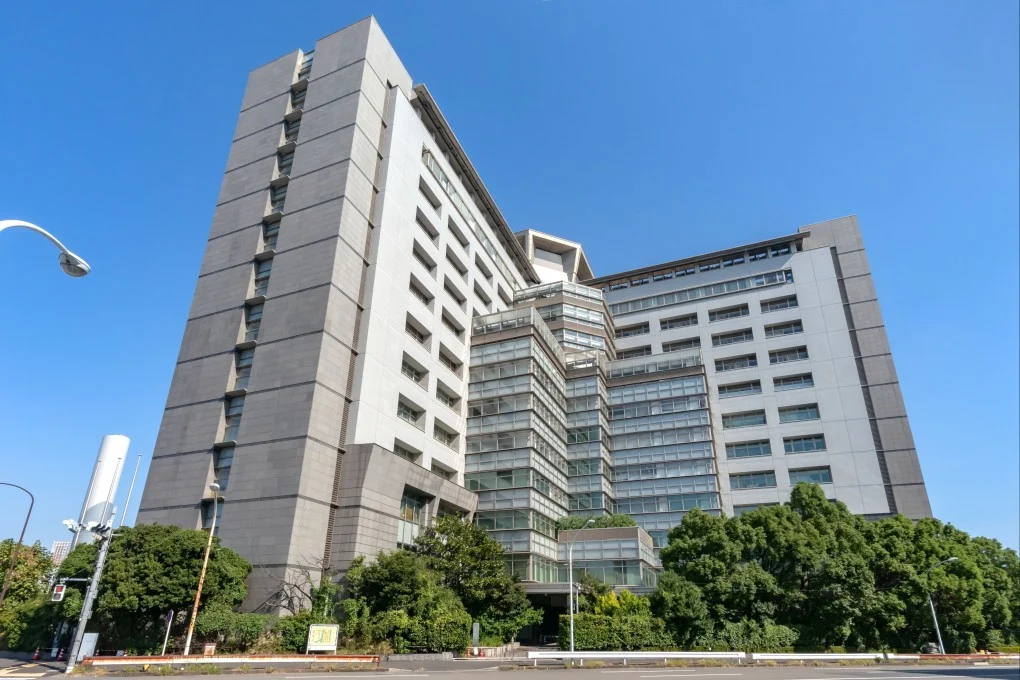
The Japanese government is intensifying its efforts to deport illegal foreigners, leading to heightened fears among asylum seekers and foreign residents. Reports indicate that the number of foreigners forcibly deported reached 318 in 2025, which represents a 30% increase compared to the previous year.
This move is part of the government's plan known as the "Zero Plan for Illegal Foreign Residents," aimed at reducing the number of illegal immigrants in the country. This policy has drawn criticism from human rights organizations, which assert that such measures contradict Japan's commitments to protecting refugees.
Details of the Situation
Concerns are growing among individuals living in Japan illegally, as many feel insecure under these stringent policies. Representatives from human rights organizations have stated that these measures create an atmosphere of fear and anxiety within foreign communities in Japan.
The increase in deportations is part of the Japanese government's strategy to address challenges related to immigration, which include a rising number of illegal immigrants. The government has affirmed its commitment to protecting refugee rights, yet critics argue that these policies may lead to human rights violations.
Background & Context
Historically, Japan has been regarded as a country that accepts a limited number of refugees compared to other nations. However, recent years have seen an uptick in asylum seekers, prompting the government to adopt stricter measures. Although Japan has shown some flexibility in its refugee policy, these new measures indicate a shift in approach.
Japan has a long history of dealing with immigration issues, but current challenges necessitate a balance between protecting individual rights and national security needs. This has led to widespread debate on how to handle immigration and asylum matters effectively.
Impact & Consequences
Analyses suggest that these policies may exacerbate the humanitarian situation for asylum seekers and migrants. With the increase in deportations, many may face a return to their home countries, where they could encounter dangerous or unstable conditions.
Moreover, these policies could impact Japan's international image, as it is perceived as a nation that upholds human rights values. Growing criticism may lead to negative repercussions on international relations, especially with countries that host large numbers of refugees.
Regional Significance
The situation in Japan is significant not only for its domestic implications but also for its regional impact. As Japan navigates its immigration policies, it must consider its role in the broader context of global refugee movements and humanitarian responsibilities.
Ultimately, the balance between national security and humanitarian obligations remains a critical issue for Japan, as it seeks to address the complexities of immigration while maintaining its international standing.