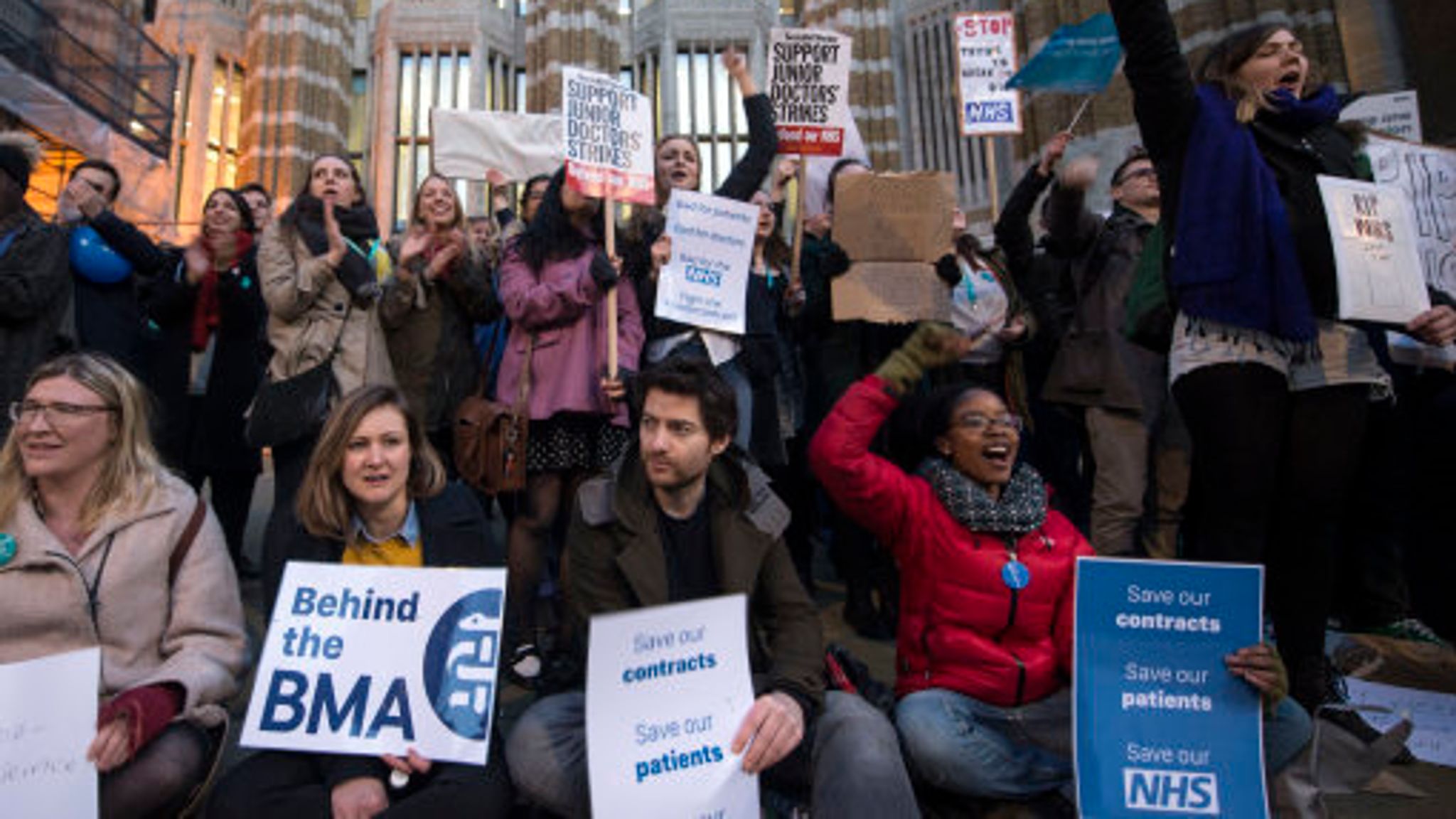
The British government has withdrawn its offer to create 1000 new training positions for doctors in England, after the British Medical Association (BMA) refused to cancel a six-day strike scheduled to begin next week. This decision comes at a sensitive time as the government seeks to resolve a long-standing dispute with resident doctors, previously known as junior doctors.
Prime Minister Sir Keir Starmer had set a 48-hour deadline for the union to cancel the strike if they wished to retain the offer. The strike was announced last week following the collapse of negotiations between the two sides over pay and job shortages.
Details of the Event
A spokesperson for the Department of Health and Social Care stated that the government had made a "generous" offer, but it can no longer proceed with providing the training positions. He explained that these positions were set to begin this month, but with the systems preparing for the strike and increasing uncertainty, it is no longer feasible to operate these roles in a timely manner.
The government confirmed that this decision would not affect the overall number of doctors in the National Health Service (NHS), as the positions would have been created from existing short-term roles. Resident doctors fill these roles when they cannot secure formal training positions.
Background & Context
The roots of the current dispute between doctors and the government go back several years, as wages have seen a significant decline due to inflation. Although resident doctors have experienced a 33% increase in their salaries over the past four years, the BMA points out that wages are still 20% lower than they were in 2008 when adjusted for inflation.
The training positions offered are those that doctors transition into after two years of training, specializing in fields such as general medicine or surgery. Last summer, there were 30,000 applications for training positions, which had 10,000 available roles, although some applicants were overseas doctors.
Impact & Consequences
The strike, which begins next Tuesday and lasts for six days, is the longest since the start of the dispute, marking the first time resident doctors have participated in a strike of this length. This strike is the fifteenth since the dispute began in March 2023, reflecting escalating tensions between doctors and the government.
The BMA anticipates that the strike will have negative effects on healthcare services, as resident doctors make up nearly half of the doctors working in the NHS, with two-thirds of them being members of the association.
Regional Significance
The health situation in Britain serves as an example of the challenges faced by healthcare systems in various countries. In the Arab world, some challenges are similar, such as shortages of doctors and resources, necessitating innovative solutions to improve health conditions. Additionally, tensions between doctors and governments may affect the recruitment of medical staff, potentially exacerbating health challenges in the region.
In conclusion, the current dispute between doctors and the British government highlights the importance of dialogue and negotiation in resolving labor and rights issues. The continuation of strikes could worsen health conditions, requiring urgent intervention from all parties involved.