Amid rising global tensions and the US-Israeli conflict with Iran, a new report from the UK Joint Committee on National Security Strategy calls for a reassessment of the country's foreign policy, particularly regarding nuclear deterrence. The report, published last week, warns that Britain must prepare for scenarios where its historical close relationship with the United States may not apply.
The report indicates that Britain continues to strategically depend on the United States for essential nuclear deterrent capabilities, intelligence, and conventional defense. It argues that the British government should plan to move away from a bilateral relationship that heavily relies on the US for nuclear and intelligence operations, advocating for the establishment of an independent nuclear deterrent for Britain.
Event Details
The report, prepared by the Joint Committee, includes members from various political parties, including the Labour Party, the Liberal Democrats, and the Conservative Party. It calls on the government to develop a clear plan, in collaboration with European allies, to transition towards greater European leadership within NATO, especially in the absence of American support during crises.
Although Britain has operational control over its nuclear arsenal, it relies on the United States for the supply and maintenance of Trident missiles that can carry British-made warheads. This report comes at a time when British-American relations are experiencing a notable decline, particularly following recent events related to the war in Iran.
Background & Context
Historically, Britain has heavily relied on the United States for its defense policy, especially after World War II. However, recent geopolitical changes, including rising tensions between the US and China, may weaken Britain's ability to depend on its traditional ally. A former British official noted that the British government's policy in recent years has aimed to support US foreign policy, which has influenced its decisions regarding the conflict in Gaza.
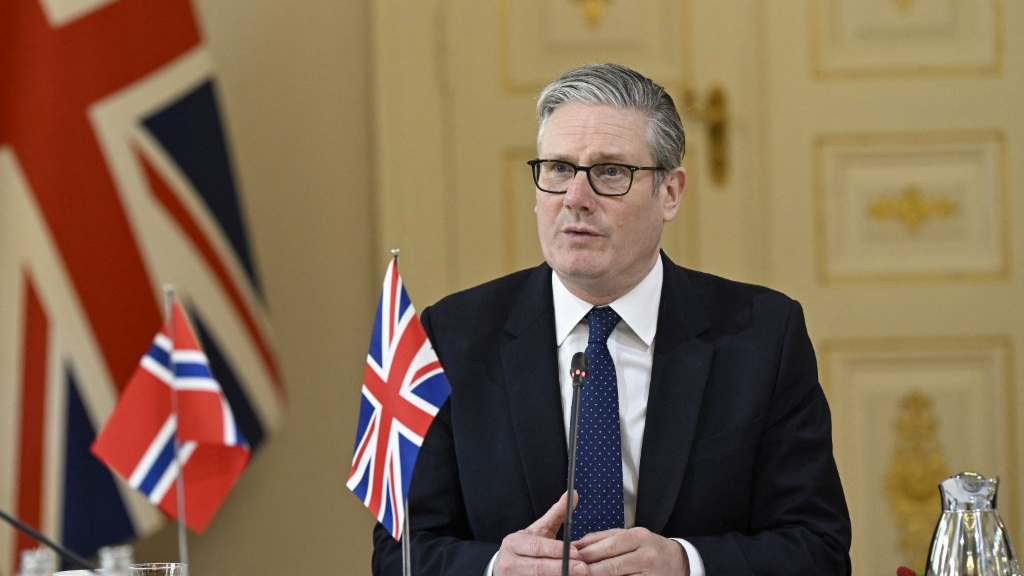
Under the leadership of Prime Minister Keir Starmer, the British government has shown a greater willingness to distance itself from the American approach, as it imposed a partial arms embargo against Israel and recognized the rights of the Palestinian state. Nevertheless, the government continues to share intelligence with Israel, reflecting the complexity of relationships among the various parties.
Impact & Consequences
The report calls for the enhancement of national defense capabilities, indicating that an independent nuclear deterrent is a crucial part of British national security. It warns that increasing tensions among major powers could lead to military conflicts, making it essential for Britain to develop its defense capabilities independently.
The report also highlights the importance of investing in partnerships and multilateral dialogue with middle powers such as Canada, Australia, and India, to avoid pressure arising from competition among major powers. These steps could strengthen Britain's position on the international stage and help it address future challenges.
Regional Significance
This report's significance is heightened in the context of ongoing events in the Arab region, where major powers play a pivotal role in determining the fate of many countries. Amid rising tensions between the US and Iran, British decisions may impact regional stability, especially given the presence of British military bases used by the US in its operations against Iran.
Ultimately, this report reflects a shift in British strategic thinking, as it seeks to achieve greater independence in defense and security matters, which may directly affect international relations in the region.