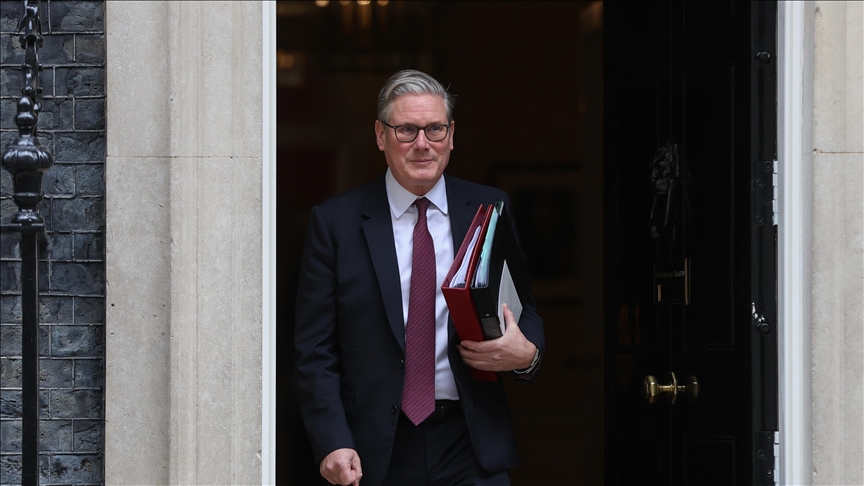
British Prime Minister Keir Starmer has affirmed that the United Kingdom will not get involved in the Middle East conflict, emphasizing the importance of maintaining the country’s position away from regional disputes. This statement comes at a sensitive time as Starmer prepares to hold an emergency meeting of the COBRA council to discuss developments related to the war in Iran.
The emergency session is scheduled for Tuesday, where it is expected to address the various dimensions of the conflict and its impact on British national security. This move comes amid rising tensions in the region, raising concerns among many Western nations.
Details of the Emergency Meeting
The COBRA meeting is a government emergency body in the UK convened to discuss major crises. Given the escalating situation in the Middle East, this meeting is seen as an opportunity to assess potential risks to the UK. Starmer, who leads the Labour Party, aims to clarify his government’s stance on regional conflicts, especially under increasing pressure from certain political circles calling for greater intervention.
Recent statements come at a time when the world is witnessing a surge in conflicts, with fears growing that events in Iran could lead to broader conflicts. Starmer indicated that the British government is closely monitoring the situation and will take necessary actions to protect the country’s interests.
Background & Context
Historically, the UK has been involved in numerous conflicts in the Middle East, from the colonial era to modern wars. These interventions have impacted relations between Western countries and Arab nations, sometimes leading to increased feelings of animosity. In recent years, the region has seen a rise in tensions, particularly with the escalation of Iranian military activities and interventions by major powers.
The war in Iran, which began as an internal conflict, now has regional and international repercussions. This war has exacerbated humanitarian crises and increased the number of displaced persons, placing additional pressures on neighboring countries and the international community.
Impact & Consequences
The statements made by Starmer reflect the British government’s direction towards avoiding entanglement in new conflicts, which could be seen as a positive step in the context of foreign policy. However, this position may face significant challenges, especially if conditions continue to deteriorate. Any potential military intervention could exacerbate crises and increase tensions among major powers.
Moreover, the decision to refrain from involvement may be interpreted as a message to the UK’s allies in the region, indicating that London is committed to maintaining its internal stability and avoiding engagement in disputes that could lead to dire consequences.
Regional Significance
For the Arab region, the UK’s stance may have multiple implications. On one hand, non-intervention could be seen as support for the stability of certain countries, while on the other hand, it may be perceived as a neglect of responsibility towards escalating humanitarian crises.
The current situation in the Middle East requires a delicate balance between intervention and humanitarian support, making the British position a focal point for many Arab nations. Under these circumstances, the question remains about how the UK will handle future crises in the region.
In conclusion, Keir Starmer’s position on not getting involved in the Middle East conflict is a significant step in British policy, but it requires careful monitoring of developments, as situations can change rapidly in this sensitive region.