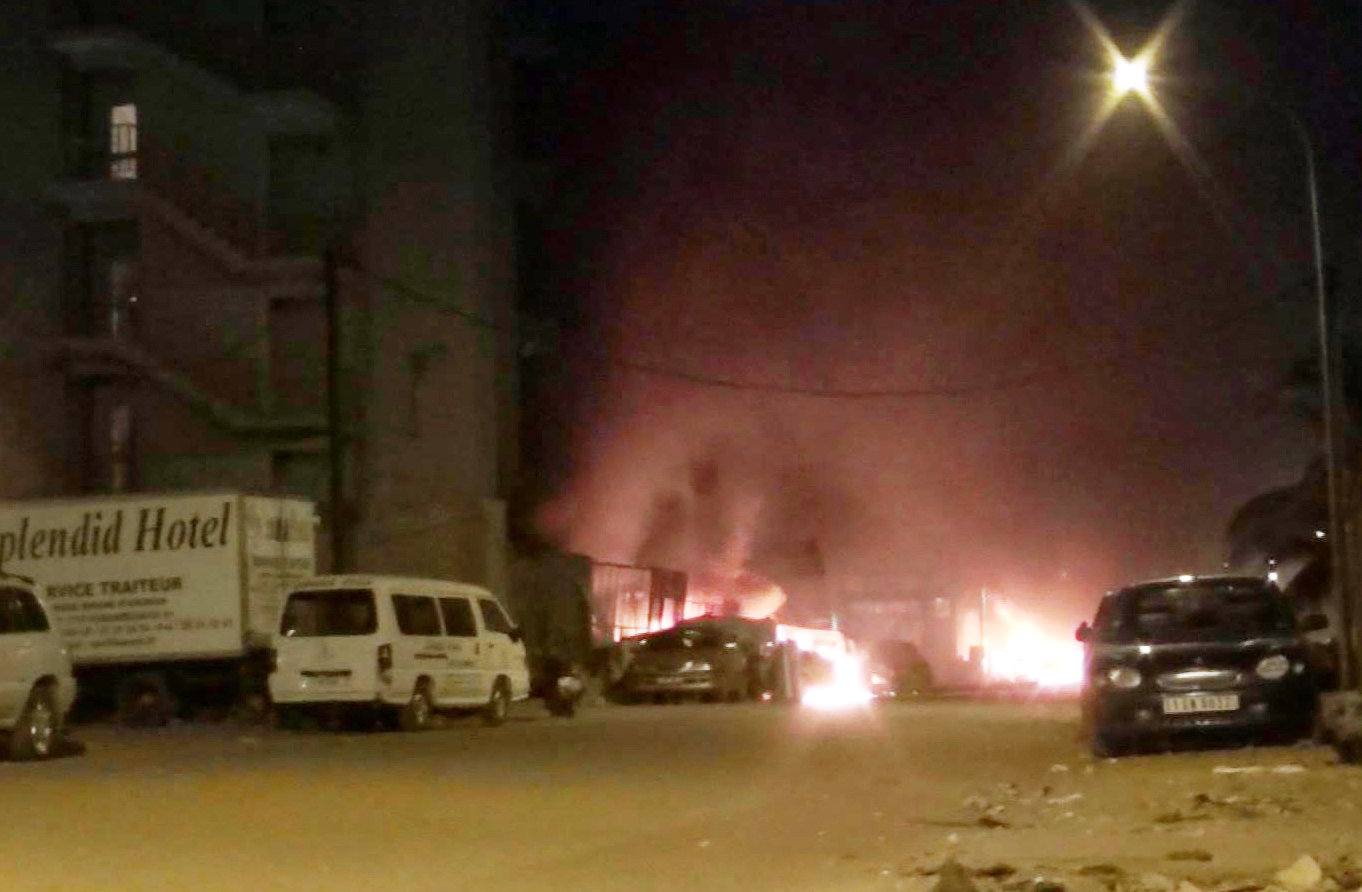
Human rights organizations have reported that security forces in Burkina Faso have killed twice as many civilians compared to jihadists in the country, raising widespread concerns about human rights violations. These figures come at a time when the nation is grappling with escalating violence and terrorism, as armed groups continue to carry out attacks on civilians and security forces.
Reports indicate that military operations conducted by the government have not achieved the desired results in reducing violence; rather, they have led to an increase in civilian casualties. In light of this situation, there is growing pressure on the government to provide clear answers on how it plans to address this escalating crisis.
Details of the Incident
Reports suggest that security forces in Burkina Faso, facing significant challenges in combating armed groups, have conducted military operations that resulted in a high number of civilian deaths. According to the human rights organization, the number of civilian casualties has reached twice that of the jihadists eliminated during the same period. These figures reflect the government's failure to protect civilians and raise questions about its military strategies.
Concerns are mounting that the excessive use of force by security forces may exacerbate the security situation in the country, as many citizens feel unsafe and express their worries about the rising violence. There are also increasing calls from the international community for pressure on the government to improve human rights conditions.
Background & Context
Historically, Burkina Faso has witnessed a surge in violence since 2015, when jihadist groups began launching attacks on civilians and security forces. This situation has led to the displacement of thousands of people from their homes, complicating the humanitarian situation in the country. The government, facing pressure from the international community, is attempting to tackle these challenges by ramping up military operations, but the results so far have been disappointing.
In recent years, the entire region has seen an increase in violence, with armed groups present in several neighboring countries such as Mali and Niger. This situation reflects the larger challenges faced by countries in the African Sahel in combating terrorism and securing their borders.
Impact & Consequences
These figures underscore the need to reassess the government's strategies in dealing with terrorism, as the use of excessive force may worsen conditions rather than improve them. The current situation requires a comprehensive response that takes into account human rights and provides protection for civilians.
Such violations are likely to increase tensions between civil society and the government, potentially contributing to further violence. Additionally, the international community may face challenges in supporting the government if violations continue, which could affect humanitarian and developmental aid.
Regional Significance
The situation in Burkina Faso is part of a larger crisis affecting the African Sahel region, which impacts security and stability in the area. These crises could have repercussions for Arab countries, as rising violence and terrorism can affect regional security and increase the flow of refugees.
Under these circumstances, Arab countries should monitor the situation in Burkina Faso and be prepared to provide support and assistance in promoting stability and security in the region.