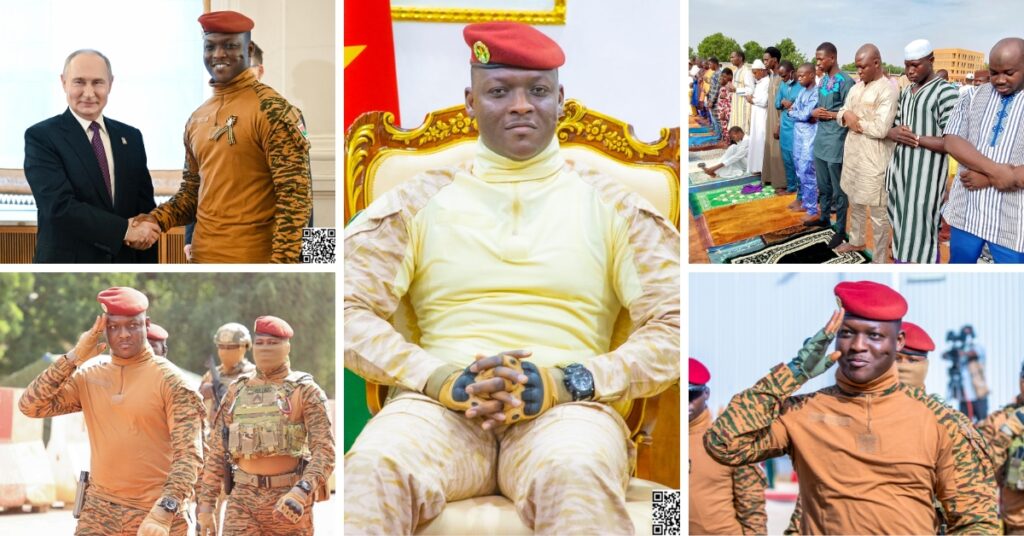
In a controversial statement, Colonel Ibrahim Traore, the leader of Burkina Faso's military coup, announced the abandonment of democracy, indicating that the country is in a critical phase that requires a focus on security and stability rather than democratic processes. This announcement comes at a time when the country is facing increasing security challenges, suffering from a rise in terrorist attacks targeting civilians and security forces.
Traore, who came to power following a military coup last September, affirmed that the priority now is to restore security in the country, which necessitates taking strict measures that may conflict with democratic principles. This statement reflects the growing trend in some African countries suffering from instability, where military leaders prefer to impose control over governance rather than waiting for elections that may not guarantee stability.
Details of the Announcement
In his speech, Traore pointed out that the security situation in Burkina Faso has reached critical levels, with an increase in attacks by extremist groups leading to thousands of deaths and the displacement of millions. He confirmed that the current government will work to strengthen the armed forces and provide the necessary support to confront these challenges.
He also added that focusing on security does not mean abandoning citizens' rights, but it requires making tough decisions at this time. This statement comes as international pressure on military governments in Africa to return to democratic systems is increasing.
Background & Context
Historically, Burkina Faso has witnessed numerous military coups, with the country being under military rule for extended periods. In recent years, the intensity of violence in the country has escalated due to the increasing activity of extremist groups, leading to a deterioration of security and economic conditions.
In 2015, the country held democratic elections, but the security situation continued to deteriorate, resulting in widespread public discontent with the previous government. The coup led by Traore was a direct result of this discontent, as he promised to restore security and stability to the country.
Impact & Consequences
Traore's recent statements could exacerbate the situation in Burkina Faso, potentially increasing tensions between the military government and civil society. Moreover, the abandonment of democracy may provoke negative reactions from the international community, which could affect the foreign aid that the country relies on.
On the other hand, Traore may find support from certain segments of the population who see security as the top priority under the current circumstances. However, this support may be temporary if the government fails to achieve actual stability in the country.
Regional Significance
Arab countries are closely monitoring developments in Burkina Faso, as the security situation in Africa directly impacts regional security. Many Arab nations may face similar challenges, with increasing calls for military control amid security crises.
Furthermore, events in Burkina Faso may reopen discussions about the role of the military in politics and how to balance security and democracy in countries suffering from instability.
Colonel Traore's statements reflect a significant shift in the political landscape of Burkina Faso, raising questions about the future of democracy in the country and how to address the growing security challenges.