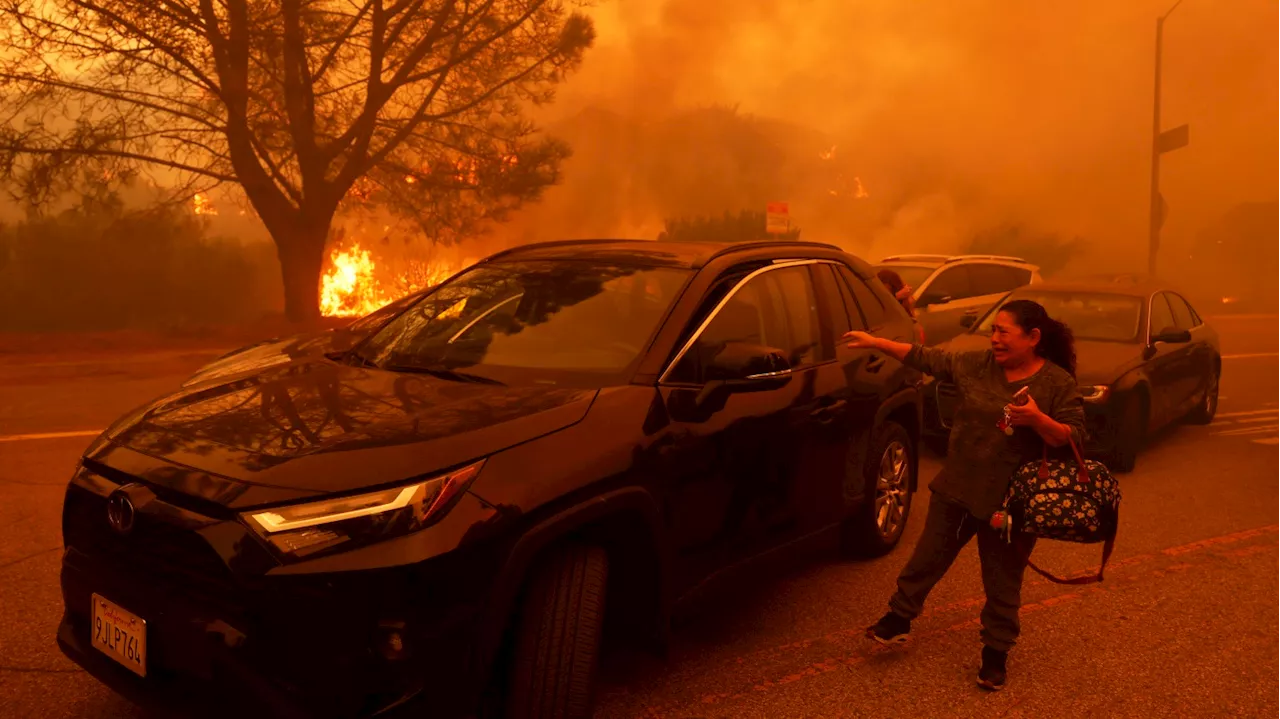
Spring fires in Southern California continue to consume vast areas, with containment reaching 45% so far. Evacuations for residents in affected areas are ongoing, raising concerns about safety and property.
Wildfires in California are a recurring phenomenon, exacerbated by dry weather conditions and rising temperatures. A state of emergency has been declared in the affected areas, allowing local authorities to utilize necessary resources to combat the flames.
Details of the Incident
Firefighting teams are continuing their efforts to control the blaze, with over 500 firefighters deployed to battle the flames. Despite progress in containing the fire, strong winds may hinder firefighting efforts and increase the spread of the flames.
Evacuation operations involve relocating residents from areas close to the fire to temporary shelters, where necessary assistance is provided. Authorities have announced the provision of psychological and social support for affected citizens.
Background & Context
Historically, California has experienced numerous devastating wildfires, making it one of the most fire-prone regions in the United States. This is due to the dry climate and strong winds that contribute to the rapid spread of flames. In recent years, the frequency and intensity of these fires have increased, raising concerns about the impact of climate change on the environment.
In 2020, California witnessed massive wildfires that led to the evacuation of thousands of residents and the destruction of many homes. These events highlight the urgent need for increased awareness and planning to address such natural disasters.
Impact & Consequences
Wildfires pose a significant threat to the environment and the local economy. In addition to the physical damage inflicted on homes and properties, these fires affect air quality and cause health issues for residents. The costs of firefighting and relief require substantial financial resources, placing additional pressure on local budgets.
Moreover, wildfires impact wildlife and ecosystems, leading to the destruction of habitats for animals and plants. This situation necessitates effective measures to mitigate the effects of these disasters.
Regional Significance
While the wildfires in California may seem distant from the Arab region, the lessons learned from these natural disasters can be of great importance. Many Arab countries face similar challenges, such as desertification and rising temperatures, increasing the risk of wildfires.
These events serve as a reminder of the importance of enhancing preparedness for natural disasters and developing effective strategies to adapt to climate changes. Arab countries should also exchange experiences and collaborate in crisis and disaster management.