In a move aimed at enhancing the efficiency of higher education in Indonesia, Minister of Higher Education and Technology, Brian Yuliarto, has called on universities to review their curricula to activate distance or hybrid learning. The minister emphasized that this initiative specifically targets subjects that do not require practical applications, highlighting the importance of creating a suitable academic environment before implementing these policies.
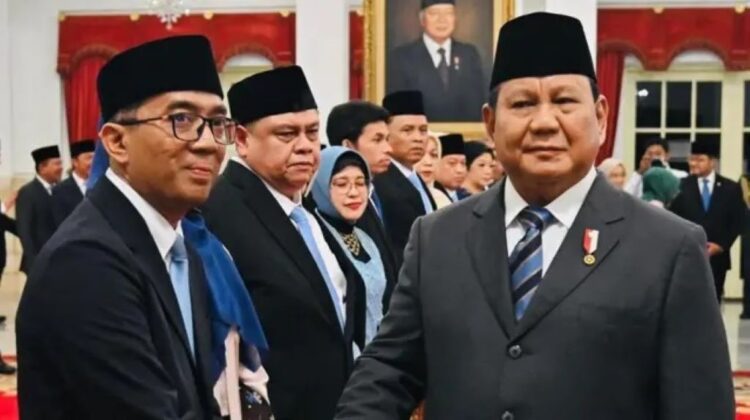
The minister's remarks came during a press conference at the presidential palace in Jakarta, where he noted that distance learning should be available to students in advanced years of study, particularly for those in their fifth year and above, as well as for graduate programs. He added that subjects requiring direct interaction, such as laboratories or workshops, should continue to be offered in-person.
Details of the Initiative
This call is part of a new policy issued by the Ministry of Higher Education in Indonesia, which includes clear guidelines on how to implement distance learning. These guidelines were issued on April 2, 2026, emphasizing the need for a balanced and effective application of distance education.
The minister also pointed out the importance of better utilizing digital platforms to support academic and administrative activities in universities. He explained that each university will determine which subjects can be taught online, granting them the freedom to make decisions based on their specific needs.
Background & Context
Historically, Indonesia has witnessed significant transformations in its higher education system, especially following the COVID-19 pandemic, which imposed radical changes on teaching methods. Studies have shown that distance learning can be an effective means of expanding access to education, particularly in remote areas.
However, the implementation of these policies requires careful consideration of educational quality, as distance learning should not adversely affect students' academic performance. Some studies have indicated that hybrid education can have a positive impact if executed correctly.
Impact & Consequences
This step is crucial in the context of enhancing the efficiency of higher education in Indonesia, as it can contribute to energy conservation and cost reduction. Additionally, distance learning can open new horizons for students who face difficulties accessing universities.
Nevertheless, mechanisms must be in place to ensure educational quality, as the shift to distance learning may introduce new challenges related to interaction between students and teachers, along with the need for training educators to use technology effectively.
Regional Significance
Indonesia's experience in implementing distance learning is particularly significant for Arab countries, where many universities in the region face similar challenges. Arab universities could benefit from this experience in developing their curricula and adopting new teaching methods that meet students' needs.
In conclusion, this development in Indonesian higher education represents a step towards improving the quality of education and expanding access to it, paving the way for further innovation and development in this vital sector.