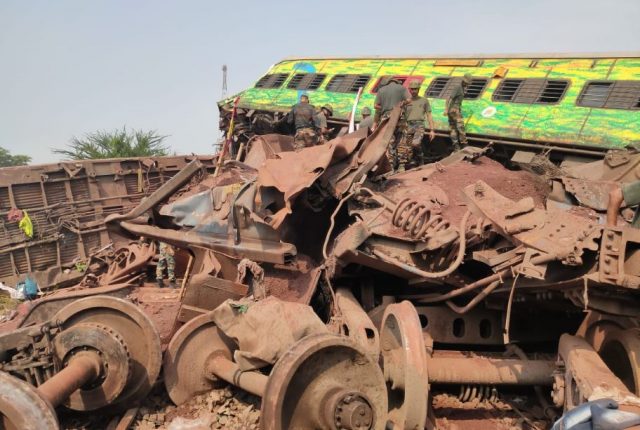
The Indonesian Parliament's Transportation Committee (DPR) has demanded a comprehensive investigation by the National Transportation Safety Committee (KNKT) into a train collision that occurred in the Bekasi area, leading to injuries and losses. The incident, which involved a KRL train and an Argo Bromo Anggrek train, has sparked widespread concern regarding railway safety in the country.
Committee member Danang Wijaksana Sulistya emphasized the necessity of a thorough investigation to pinpoint the exact causes of the incident, including technical aspects, human errors, and issues related to crossings. Initial information suggests that the accident may be linked to an incident at crossing JPL 85, where an electric taxi is believed to have been involved.
Details of the Incident
The collision in Bekasi is considered a rare occurrence, yet it highlights the urgent need to enhance the safety system within the railway sector. Danang pointed out that the incident underscores the importance of reinforcing oversight and security measures at critical points, particularly at crossings that remain sources of accidents.
He further explained that the Transportation Committee will closely monitor the investigation process and advocate for improved safety standards by train operators and relevant transportation authorities. These steps include assessing the safety system at crossings, implementing modern technology, enhancing the role of field staff, and increasing public awareness regarding adherence to railway traffic laws.
Background & Context
Historically, Indonesia has witnessed several similar transportation accidents, leading to repeated calls for safety system improvements. Railway-related incidents are not new and have raised public concern about the efficiency of the country's transportation infrastructure. In recent years, steps have been taken to enhance safety, but ongoing incidents indicate that further efforts are required.
Railways are a vital mode of transportation in Indonesia, connecting major cities and facilitating the movement of goods and people. However, accidents like the one in Bekasi highlight the challenges facing this sector, necessitating immediate action to improve safety.
Impact & Consequences
The Bekasi incident could have significant repercussions on public confidence in the railway transportation system. If the root causes of the accident are not effectively addressed, it may lead to a decline in railway usage as a mode of transport, which would impact the national economy. Additionally, improving the safety system could help reduce future accidents, thereby protecting lives and enhancing citizens' trust in public transportation.
Moreover, the investigations conducted by the KNKT will assist in identifying necessary measures to improve safety, potentially leading to changes in policies and legislation related to transportation. These changes may include upgrading crossing infrastructure and implementing new technologies for monitoring train movements.
Regional Significance
Transportation accidents are a global issue affecting all countries, including Arab nations. Despite differing contexts, the lessons learned from incidents in Indonesia can be beneficial for Arab countries facing similar transportation challenges. Enhancing safety in public transportation should be a priority for all nations, as it contributes to protecting lives and fostering economic development.
In conclusion, the Bekasi incident serves as a call for serious reflection on how to improve transportation systems worldwide. Safety must always be at the forefront of government and community priorities to ensure the provision of safe and effective transportation services.