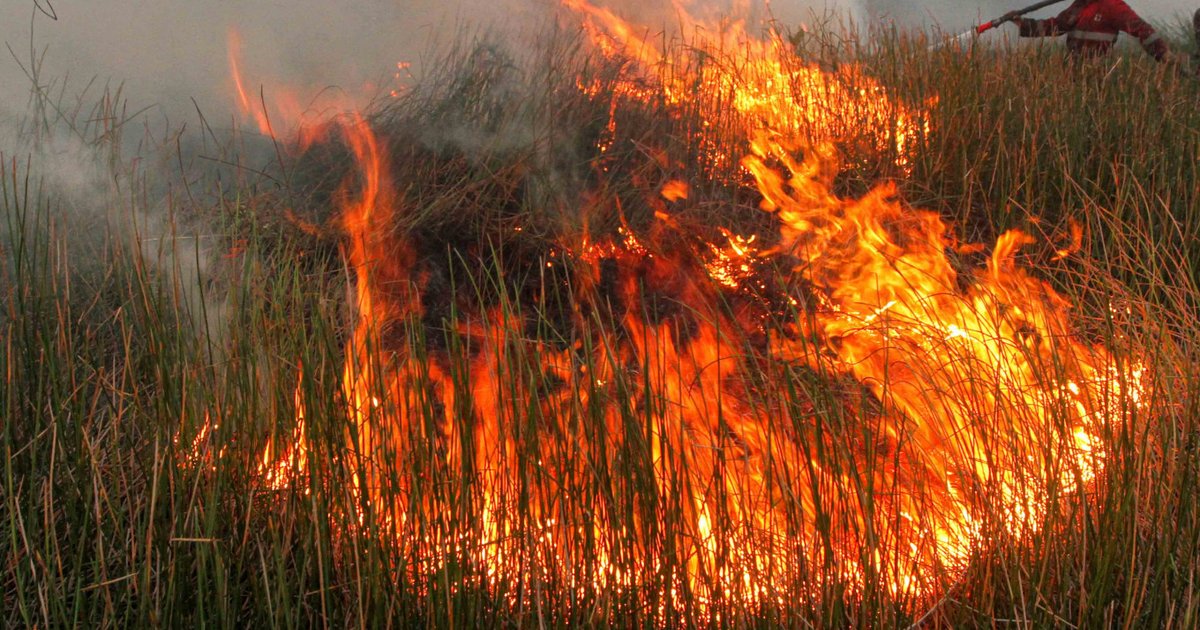
In a bid to bolster efforts against forest fires, Indonesian parliamentary environment committee member Rajiv Singh has called on the Ministry of Forestry to enhance coordination with local governments facing the threat of forest fires. This call comes amid forecasts of a long dry season in 2026, which heightens the risk of fire outbreaks.
Singh emphasized the importance of strengthening field preparations, stating, "Coordination with at-risk areas must continue; some training has been conducted, but tangible steps on the ground are needed." He added that certain regions, such as Riau Province, are beginning to show signs of increased hotspots, necessitating urgent action.
Event Details
According to data from the Indonesian Meteorology Agency, Riau Province recorded the highest number of hotspots on Sumatra Island, with 302 hotspots identified out of a total of 582 from January 1 to March 25, 2026. Additionally, data from the National Disaster Management Agency revealed that the area affected by forest fires in Riau reached 2,713.26 hectares during the same period.
Singh warned that these hotspots serve as an early warning, especially with the dry season expected to commence from April to June, which is likely to be drier in certain areas, including Central and Southern Sumatra and Kalimantan.
Background & Context
Historically, Indonesia has experienced seasonal forest fires, exacerbated by agricultural activities such as land burning. As the dry season approaches, the number of hotspots significantly increases, leading to widespread fires that are difficult to control.
Forest fires in Indonesia pose a serious environmental issue, affecting air quality and causing significant ecological damage. The smoke generated by these fires extends to neighboring countries, resulting in regional health and environmental problems.
Impact & Consequences
Forest fires threaten not only the environment but also the local economy. As forest fires increase, agriculture and tourism are adversely affected, leading to substantial economic losses. Furthermore, the failure to implement effective measures to combat these fires could exacerbate conditions in the coming years.
Singh stressed the need for proactive measures, such as improving early detection systems for hotspots and increasing patrols in at-risk areas. He also called for enhanced cooperation between the government and legal entities to ensure accountability for those responsible for forest fires.
Regional Significance
Although forest fires in Indonesia may seem distant from the Arab region, their impacts extend to neighboring countries, potentially degrading air quality in those nations. Environmental issues such as forest fires represent global challenges that require international cooperation to address.
In conclusion, the current situation in Indonesia necessitates an urgent response and collaboration among various governmental and community entities to confront the threat of forest fires, especially with the dry season approaching. Strengthening coordination and regional cooperation is essential to tackle these environmental challenges.