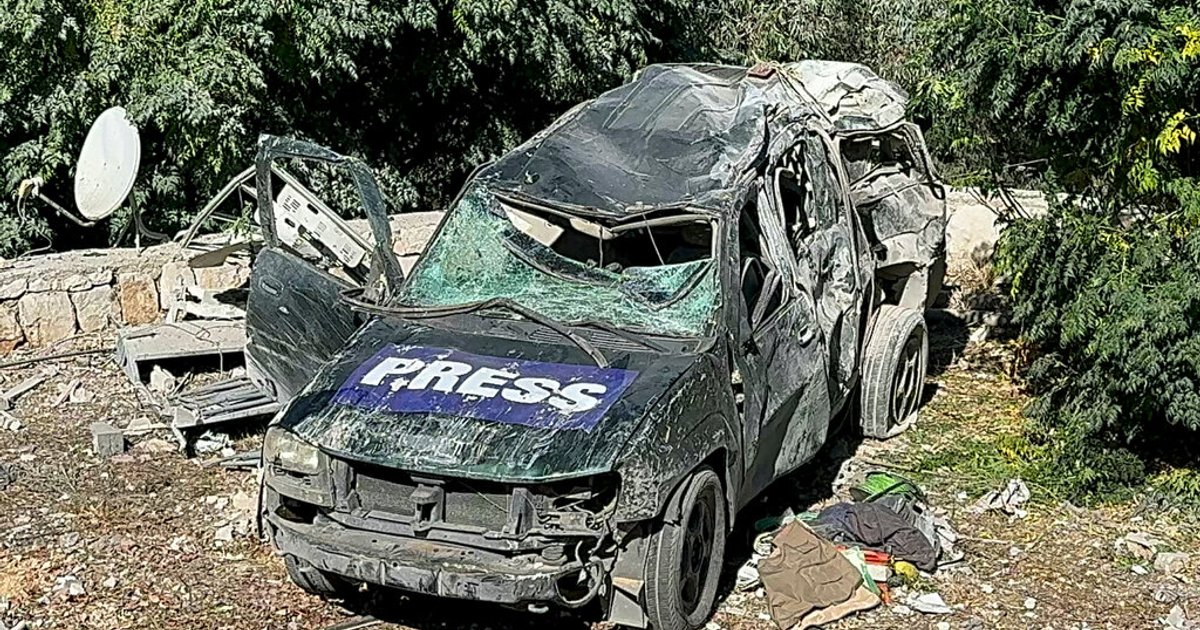
United Nations experts have called for an international investigation into the assassination of three Lebanese journalists by an Israeli airstrike, considering that Israel has not provided credible evidence of their alleged connections to what it claims are armed groups. The UN experts stated in a press release last week that this incident reflects a recurring and serious practice by Israel against journalists.
The journalists who were assassinated were performing their professional duties in covering events in Lebanon, and this attack has drawn widespread condemnation from human rights organizations and journalists around the world. They consider targeting journalists to be a blatant violation of freedom of expression and human rights.
Details of the Incident
Last week, an Israeli airstrike targeted an area in Lebanon, resulting in the deaths of three journalists who were working to cover ongoing events. Reports indicated that the airstrike occurred amid military escalation in the region, where Israel claimed that the journalists were linked to armed groups. However, Israel has not provided any credible evidence to support this claim, raising questions about the motives behind the attack.
The UN experts, representing a coalition of international organizations, emphasized in their statement the necessity of opening an independent and transparent investigation into this incident. They pointed out that targeting journalists constitutes a blatant violation of international laws, and those responsible for such actions must be held accountable.
Background & Context
Historically, Lebanon has witnessed numerous violations against journalists, especially amid the tense political climate and ongoing conflicts. Many journalists have faced assaults or assassinations due to their coverage of political and military events. In recent years, concerns about the safety of journalists in the region have increased, as they have become easy targets in armed conflicts.
Press freedom is one of the fundamental values protected by international laws, yet in many countries, including Lebanon, this freedom remains threatened. Reports have shown that journalists in Lebanon face increasing pressure from both authorities and armed groups alike.
Impact & Consequences
The assassination of the three journalists may have significant repercussions on press freedom in Lebanon and the region. This incident could heighten fears among journalists and make them more cautious in covering events. It may also affect the ability of media outlets to operate freely and independently.
Moreover, the lack of accountability for those responsible for this incident may encourage the continuation of violations against journalists in the future. Therefore, calls for an international investigation represent an important step towards enhancing the protection of journalists and ensuring accountability for crimes committed against them.
Regional Significance
Press freedom is a vital issue across the Arab world, where many countries suffer from serious violations of journalists' rights. The assassination of the Lebanese journalists highlights the challenges faced by journalists in the region and reflects the urgent need to enhance the protection of their rights.
This incident may also increase pressure on Arab governments to improve conditions for journalists and ensure their protection. Amid the tense situations in the region, there remains hope that international pressure will lead to positive changes in the realm of press freedom.
In conclusion, the calls for an international investigation into the assassination of Lebanese journalists represent an important step towards promoting human rights and freedom of expression in the region. This issue should attract international attention, and effective measures must be taken to ensure that such violations do not recur in the future.