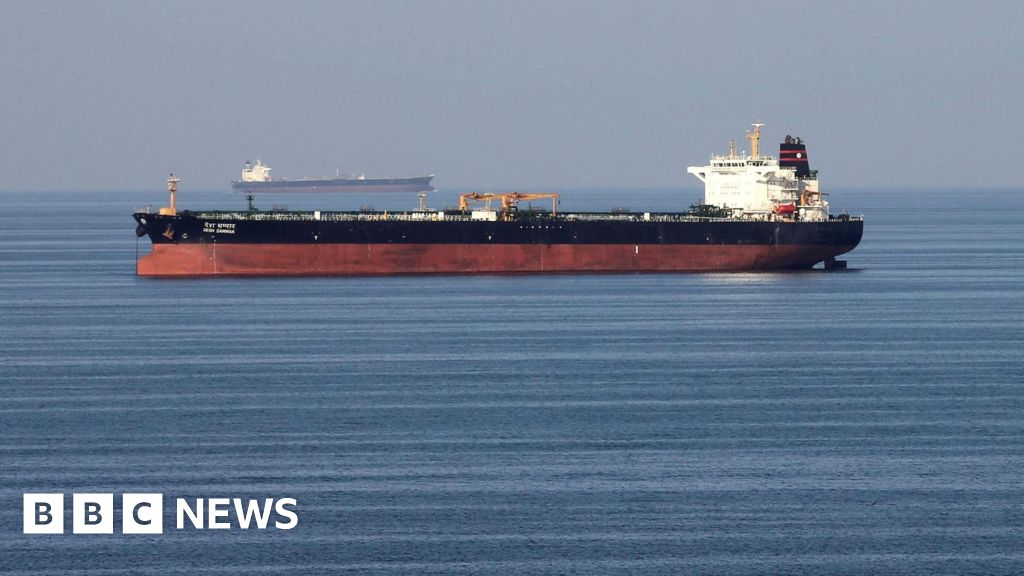
The Secretary-General of the International Maritime Organization (IMO), Arsenio Dominguez, stated that the escalating situation in the Hormuz Strait requires diplomatic measures to ease tensions, noting that military solutions alone will not be sufficient to address the crisis. These remarks were made during a virtual meeting organized by the British Foreign Office, which included foreign ministers from over 40 countries.
Dominguez urged member states to support diplomatic efforts to ensure the evacuation of approximately 20,000 seafarers stranded in the waters of the Arabian Gulf. He also called for the establishment of a humanitarian corridor to provide urgent assistance, stressing that piecemeal responses are no longer adequate to resolve the current crisis.
Details of the Event
During the meeting, Dominguez presented an overview of the efforts being made by the International Maritime Organization, highlighting the importance of cooperation among coastal states to ensure maritime safety. He explained that the organization is working on establishing a framework for the evacuation of stranded sailors while ensuring security and operational coordination.
Since the outbreak of the conflict on February 28, which has seen extensive military operations by the United States and Israel against Iran, there have been 21 attacks on commercial vessels in the region, resulting in the deaths of 10 sailors and serious injuries to others. These events have heightened tensions in the Hormuz Strait, which is considered one of the most important maritime passages in the world.
Background & Context
The Hormuz Strait is a vital transit point for oil and natural gas, through which approximately 20% of the world's total oil exports pass. Historically, this strait has witnessed political and military tensions due to regional conflicts, impacting maritime navigation and global trade.
The current crisis comes amid escalating tensions between Iran and the United States, with the latter seeking to bolster its military presence in the region. These developments raise concerns among neighboring countries, which rely on the stability of navigation in the strait to ensure their economic security.
Impact & Consequences
The repercussions of the crisis in the Hormuz Strait are not limited to the involved countries but extend to affect the global economy. Any escalation in the conflict could lead to rising oil prices, negatively impacting global economies, especially those heavily reliant on energy.
Moreover, the ongoing crises in the region could exacerbate humanitarian conditions, as many sailors suffer from difficult circumstances due to the conflict. Therefore, diplomatic solutions and international cooperation are essential to prevent worsening conditions.
Regional Significance
The Arab countries neighboring the Hormuz Strait are the most affected by the recurring crises in this area. The stability of navigation in the strait is vital for the Gulf states, which depend on their oil exports to fuel their economies. Any escalation in the conflict could impact these exports and intensify economic crises.
Thus, the Secretary-General of the International Maritime Organization's call for de-escalation reflects an urgent need for regional and international cooperation to ensure stability in the region. Diplomatic solutions and coordination among the involved countries can contribute to achieving security and peace in the Hormuz Strait.