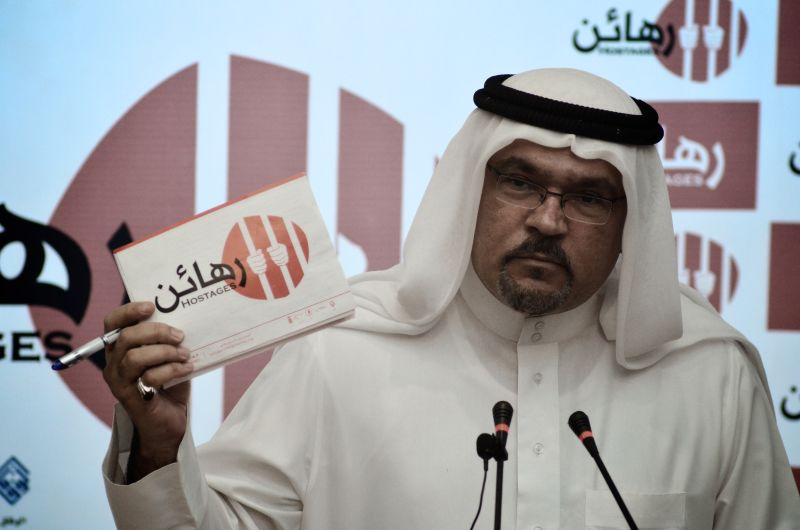
A Bahraini non-governmental organization (NGO) called on local authorities on Friday to open an urgent investigation into the death of a young Shiite activist while in custody. The activist, who was arrested days earlier on charges of espionage for the Iranian Revolutionary Guard, has raised questions about human rights in Bahrain, where the Shiite community continues to face marginalization.
These demands come amid rising tensions between the Bahraini government, ruled by a Sunni family, and the Shiite majority that constitutes the bulk of the population. Bahraini authorities confirmed that the activist died while in custody, which has sparked widespread concern among human rights circles.
Details of the Incident
The deceased activist was part of a group of individuals arrested in a government crackdown against what authorities describe as espionage activities with Iran. Reports have indicated that the activist was subjected to harsh treatment during his detention, raising fears of human rights violations. The organization Human Rights Watch has issued a statement calling for an independent investigation into the circumstances surrounding his death.
The Bahraini NGO that called for the investigation emphasized that the activist's death is not an isolated incident but reflects a pattern of violations faced by the Shiite community in Bahrain. Activists pointed out that the Bahraini government uses espionage charges as a means to suppress dissent.
Background & Context
Historically, Bahrain has witnessed sectarian tensions between Sunnis and Shiites, with the Shiite community forming the majority of the population. However, the Sunni rule dominates state mechanisms, leading to a general feeling of marginalization among Shiites. Since 2011, Bahrain has seen widespread protests from Shiites demanding political and social reforms, but the government has responded with a repressive crackdown on demonstrators.
Bahrain is considered one of the countries suffering from human rights violations, where human rights organizations face significant pressure and difficulties in documenting abuses. A report by Amnesty International noted that the Bahraini government uses anti-terrorism laws to suppress dissenting voices.
Impact & Consequences
The death of the Shiite activist raises questions about the future of human rights in Bahrain and may lead to an escalation of sectarian tensions in the country. Additionally, this incident could affect relations between Bahrain and Iran, as the Bahraini government accuses Tehran of interfering in its internal affairs.
This incident is likely to increase international pressure on Bahrain, as human rights organizations and the international community may call for independent and transparent investigations. Furthermore, these events could impact Bahrain's image in international forums, especially as it seeks to attract investment and tourism.
Regional Significance
Bahrain is part of a tense regional landscape, where sectarian issues intersect with political conflicts. The death of the Shiite activist may evoke memories of sectarian conflicts in other countries like Iraq and Syria, where sectarian tensions have led to bloody conflicts.
Moreover, events in Bahrain could influence neighboring countries, potentially encouraging similar movements from Shiite minorities in other Gulf states. The ongoing violations in Bahrain could exacerbate conditions in the region and heighten tensions between Sunnis and Shiites.
In conclusion, the issue of human rights in Bahrain remains a significant concern, and the death of the Shiite activist underscores the urgent need for genuine reforms that ensure the rights of all citizens regardless of their sectarian affiliations.