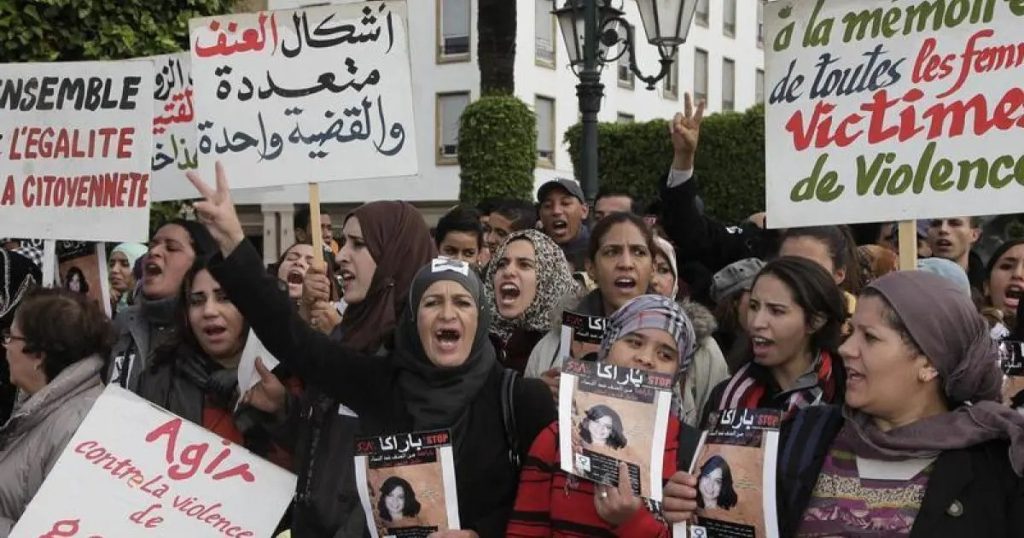
Concerns about digital violence in Morocco are increasing, as it has become a real threat to women and girls. Reports indicate that this phenomenon is on the rise, necessitating urgent legal intervention to protect victims.
Instances of digital violence include online harassment and threats via social media, placing women in vulnerable positions. Studies have shown that this phenomenon negatively impacts the mental health of victims, calling for immediate action to address it.
Details on the Rising Threat
In recent years, Morocco has witnessed a significant rise in cases of digital violence, with statistics revealing that over 60% of women have experienced some form of digital violence. These alarming figures highlight the need for an effective legal response. Human rights activists have called for the enactment of a specific law that criminalizes digital violence and establishes appropriate penalties for those involved in these crimes.
Forms of digital violence faced by women in Morocco include the unauthorized sharing of private images, online harassment, and extortion threats. These acts are not merely violations of privacy but constitute an assault on fundamental human rights.
Background & Context
Despite the progress Morocco has made in women's rights, digital violence remains a significant challenge. Studies have shown that women in Morocco face difficulties in reporting these crimes due to fear of social stigma or lack of trust in the legal system.
Historically, Moroccan laws have focused on physical violence, leaving digital violence inadequately recognized. As technology evolves, it has become essential to update laws to encompass all forms of violence that women encounter.
Impact & Consequences
Failing to address digital violence can lead to serious repercussions for society as a whole. It can contribute to the perpetuation of a culture of violence and discrimination against women, negatively affecting social and economic development. Additionally, the absence of legal protection may exacerbate the prevalence of this phenomenon.
Moreover, digital violence can hinder women's participation in public life, as they may avoid using the internet and social media for fear of harassment. This situation obstructs societal progress and diminishes women's opportunities to express their opinions and engage in public discussions.
Regional Significance
The call for legislation to combat digital violence is not just a local issue but resonates across the region. As more countries grapple with similar challenges, Morocco's actions could set a precedent for others in the Arab world. Addressing this issue is crucial for fostering an environment where women can thrive without fear of violence.
In conclusion, the urgent need to legislate against digital violence is paramount for protecting women's rights and enhancing their status in society. Without such measures, the cycle of violence and discrimination is likely to continue, undermining the progress made in women's rights.