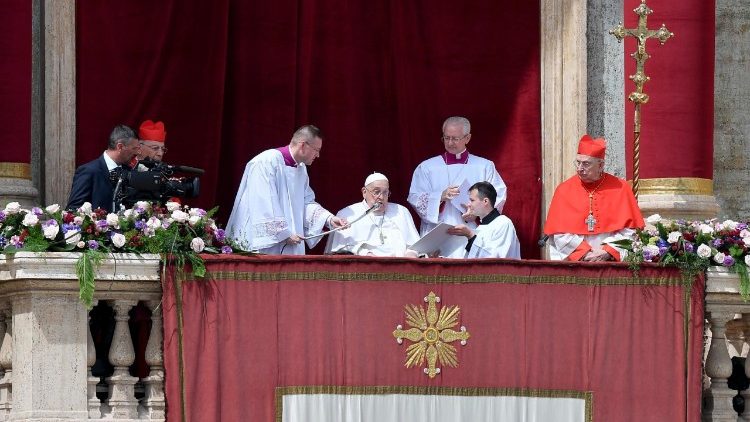
Pope Leon has recently called for the necessity of achieving peace in the world during his Easter statements, warning against the prevailing indifference towards violence and wars. These remarks came after a sermon delivered on Palm Sunday, where he emphasized that God rejects the prayers of those who wage wars.
In his speech, the Pope pointed out that violence cannot be a means to achieve goals, and that peace is the only way to ensure a better future for humanity. He also urged everyone to work towards ending the conflicts that are ravaging the world, stressing the importance of dialogue and understanding among peoples.
Details of the Event
The Pope's statements come at a time when the world is witnessing an escalation in armed conflicts, with wars igniting in several regions, leading to worsening humanitarian crises. The Pope noted that these conditions require everyone to act urgently to achieve peace.
He added that the world needs to rethink its values and ethics, emphasizing that violence cannot be part of the solution. His words resonated widely in religious and political circles, with many considering them an urgent call for change.
Background & Context
Historically, the Catholic Church has always advocated for peace and tolerance, with the Pope playing a pivotal role in numerous peace initiatives over the decades. In recent years, calls from religious and political leaders to curb violence have increased, especially amid ongoing crises in regions like the Middle East and Africa.
These statements are part of Pope Leon's efforts to promote dialogue between religions and cultures, reflecting the Catholic Church's commitment to the principles of peace and justice. In this context, his calls serve as a reminder to everyone of the importance of working towards a violence-free world.
Impact & Consequences
Pope Leon's statements carry significant weight, as they could influence international policies and government approaches towards peace. His call for peace may contribute to strengthening diplomatic efforts to resolve conflicts, particularly in areas suffering from ongoing wars.
Moreover, these statements could inspire individuals and groups to work towards change, potentially leading to grassroots movements advocating for peace. Given the current circumstances, any call for peace could be a starting point for achieving positive change.
Regional Significance
In the Arab region, Pope Leon's calls come at a sensitive time, as many countries are suffering from ongoing conflicts. His call for peace could help enhance dialogue among conflicting parties, potentially leading to peaceful resolutions of disputes.
These statements may also open the door for new initiatives aimed at achieving peace in the region, reflecting the importance of cooperation among religions and cultures in facing common challenges.
In conclusion, Pope Leon's calls for peace serve as a reminder to everyone that violence is not a solution, and that dialogue and understanding are the pathways to a better future.