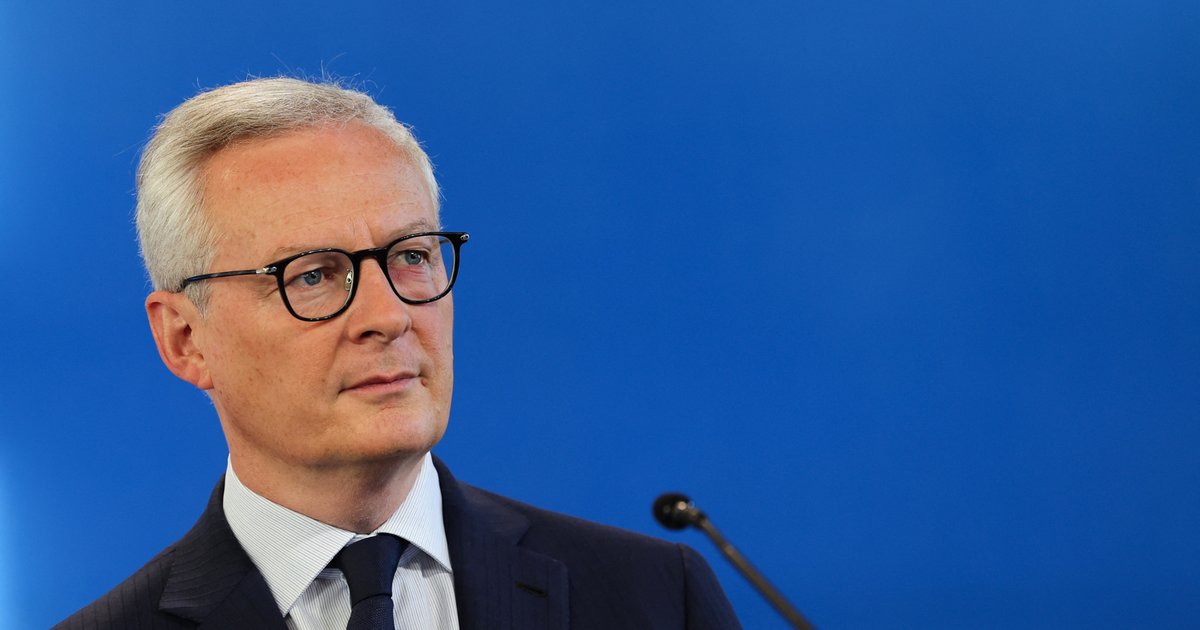
In his book released on Thursday, April 23, former French Minister of Economy Bruno Le Maire underscores the necessity of rethinking governance practices in France, pointing out the need for achieving collective responsibility in facing economic challenges, particularly regarding rising debts. This book reflects his experiences over seven years in government, shedding light on the crises the country has faced.
This publication arrives at a time when France is grappling with increasing economic pressures, as Le Maire seeks to present a new vision that transcends traditional governance methods. He notes that the presidential power requires greater balance, reflecting growing calls for restructuring authority in the country.
Event Details
Le Maire reviews a series of lessons learned from his tenure as a minister, focusing on the importance of collaboration among various parties within the government. He asserts that economic crises demand a collective response, rather than mere individual decisions from the president or the government.
The book also addresses the challenges faced by the French government during the COVID-19 pandemic and how these challenges impacted the national economy. Le Maire emphasizes that the lessons learned from these crises must be taken into account to ensure that past mistakes are not repeated.
Background & Context
Historically, France has witnessed numerous economic crises that have affected its stability. Since the global financial crisis of 2008, the country has faced multiple challenges, including rising unemployment rates and increasing debts. In this context, Le Maire's book serves as a call to reflect on how to improve governance management and distribute power more effectively.
There are increasing calls within French political circles to reconsider how decisions are made, as many believe that centralized power may exacerbate crises rather than resolve them. Le Maire's book reflects these sentiments and proposes new ideas on how to achieve a balance between executive and legislative power.
Impact & Consequences
Le Maire's calls may lead to significant changes in the French political landscape, potentially opening the door for greater public participation in decision-making. If his ideas are adopted, we may witness a shift in how the government addresses crises, which could influence economic and social policies in the country.
These ideas are likely to impact upcoming elections, as candidates strive to present new visions that align with the people's demands. Additionally, these calls may encourage further discussion on how to achieve transparency and accountability within the government.
Regional Significance
Amid the economic challenges faced by many Arab countries, Le Maire's experience could serve as an important lesson. Many Arab nations are grappling with similar issues related to debt and corruption, necessitating a restructuring of governance to achieve sustainable development.
Le Maire's ideas could inspire decision-makers in Arab countries to explore new ways to tackle crises and enhance collaboration among various parties to serve the interests of the people. Ultimately, the need for collective responsibility in governance remains vital to ensure stability and development in the region.