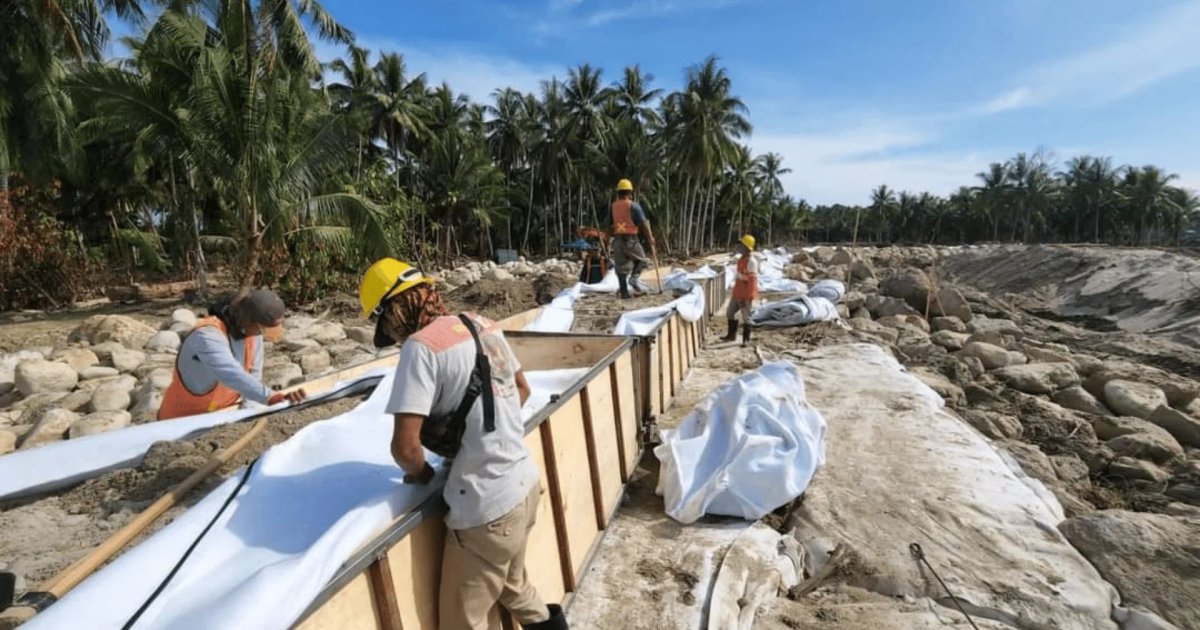
Indonesian Deputy Minister of Public Works, Diana Kusumastuti, highlighted the importance of not leaving the management of coastal barriers in Bali to individuals or hotels during a meeting with the parliamentary working committee. She pointed out that such practices could lead to exclusive control over coastal areas, threatening the marine environment.
Kusumastuti explained that the beaches in Bali should be regarded as shared spaces, and there is an urgent need for integrated management to protect these areas from erosion. This statement comes at a time when the region is facing significant challenges due to coastal erosion caused by natural factors such as storms and high waves.
Details of the Situation
Bali's beaches, one of the most popular tourist destinations in Indonesia, are facing a severe coastal erosion problem. Reports indicate that 215.82 kilometers of Bali's coastline is suffering from erosion, with only 115 kilometers addressed so far. This situation requires massive investments of around 4 trillion Indonesian Rupiah to complete protective works.
As part of the efforts, a beach conservation project is being implemented, which includes several packages of work, such as a package worth 518.27 billion Rupiah at Candidasa Beach, and another package worth 267.65 billion Rupiah at Kuta, Legian, and Seminyak beaches. These projects aim to enhance coastal infrastructure and provide necessary protection against erosion.
Background & Context
Historically, Bali's beaches have been considered among the most beautiful in the world, but with increasing tourism activity and climate change, these beaches are facing growing threats. Severe storms and high waves resulting from climate changes have exacerbated the erosion problem, necessitating a swift and effective response from the government and local communities.
Indonesia is one of the countries most affected by climate change, facing significant challenges in many coastal areas. Therefore, protecting the beaches is not only a local issue but also a matter concerning the environmental and economic security of the country.
Impact & Consequences
Failure to take effective measures to protect the beaches could lead to dire consequences, not only for the environment but also for the local economy, which heavily relies on tourism. Erosion can affect the number of incoming tourists, leading to a decline in economic revenues.
Moreover, exclusive control of coastal areas by certain hotels or individuals may exacerbate the social and economic gap between local communities, highlighting the need for comprehensive policies to ensure fairness in the use of coastal resources.
Regional Significance
The issue of beach protection and dealing with climate change is also significant in many Arab countries, where some coastal areas face similar threats. Cooperation among countries in marine environmental protection can contribute to strengthening regional efforts to address environmental challenges.
In conclusion, the situation in Bali requires a comprehensive response from all stakeholders, including the government and local communities, to ensure the protection of beaches and the preservation of the marine environment.