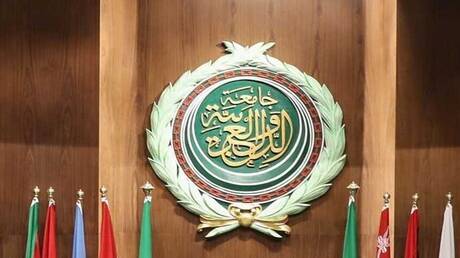
The Arab League Council at the level of permanent representatives has urged the necessity of immediate action to save the city of Jerusalem and its Islamic and Christian holy sites. This call comes in light of rising tensions in the region, where the League emphasized the importance of taking political, economic, and legal measures to confront the challenges facing the holy city.
Jerusalem is considered a significant religious and cultural symbol for both Muslims and Christians, and it has recently witnessed an escalation in Israeli measures that threaten its historical and religious landmarks. In this context, the permanent representatives stressed the need to unify Arab, Islamic, and international efforts to protect the holy city.
Details of the Event
During the meeting, various issues related to the current situation in Jerusalem were discussed, where representatives pointed out that the siege imposed on the city contributes to igniting a religious conflict that could extend its impact to other areas. They emphasized the need for a swift response from Arab and Islamic countries to address these challenges.
Moreover, the importance of enhancing cooperation among member states of the Arab League was highlighted, along with activating political and economic support mechanisms for Jerusalem. Several practical steps were proposed, including providing financial support to educational and religious institutions in the city, as well as strengthening the Arab presence in Jerusalem.
Background & Context
Historically, Jerusalem has been a focal point of conflicts and disputes throughout the ages, representing an important religious center for the three Abrahamic faiths. With the escalation of political tensions in the region, Jerusalem has become more susceptible to threats, necessitating urgent action from the international community.
In recent years, Jerusalem has witnessed demographic and political changes that have affected the city's population composition, as Israeli authorities seek to strengthen their presence in Arab areas. These policies have exacerbated the humanitarian and economic conditions in the city, calling for urgent intervention to protect the rights of its residents.
Impact & Consequences
The continuation of the siege and threats against Jerusalem could lead to an explosion of tensions in the region, where escalations could evolve into broader conflicts involving neighboring countries. Additionally, any escalation in the situation may negatively impact peace efforts in the region and increase instability.
Furthermore, the international community's neglect of these issues could contribute to worsening humanitarian crises in Jerusalem, highlighting the necessity for a collective movement from Arab and Islamic countries to support the holy city.
Regional Significance
Jerusalem is considered a symbol of Arab and Islamic identity, and any threat to it affects all Arab nations. Preserving Jerusalem means preserving the cultural and religious identity of the Arab nation, necessitating a concerted effort to protect it.
In this context, there must be an immediate response from Arab countries to provide the necessary support to Jerusalem, whether through financial or political aid. Strengthening the Arab presence in the holy city is a fundamental step in preserving the rights of Palestinians and their holy sites.
In conclusion, the current situation in Jerusalem requires urgent action from the international and Arab community to protect the holy city and its sanctities through effective measures that reflect the commitment of Arab countries to safeguard Palestinian rights.