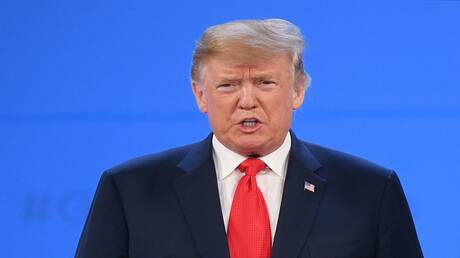
Fifty-two Democratic lawmakers in the US Congress have urged President Donald Trump to immediately lift the economic blockade imposed on Cuba. This call comes at a time when pressure is mounting on the US administration to ease restrictions on the island, which has been suffering from the effects of the blockade that has lasted for decades.
In the letter sent, the lawmakers expressed their concern about the negative impacts of the blockade on the Cuban people, noting that these policies have not achieved their intended goals. They also emphasized the importance of enhancing diplomatic and trade relations with Cuba, especially in light of the current global economic challenges.
Details of the Event
This move is part of ongoing efforts by some members of Congress to soften US policies towards Cuba. The lawmakers pointed out in their letter that the blockade has not contributed to improving the political or economic situation in Cuba, but rather has increased the suffering of the Cuban people. They called for opening channels of dialogue with the Cuban government, considering that this could contribute to achieving stability in the region.
The letter represents part of broader efforts by Democrats in Congress, who are seeking to reassess US foreign policies, especially towards Latin American countries. Some lawmakers have expressed their willingness to work with the administration to develop new strategies that enhance cooperation between the two countries.
Background & Context
The history of the US blockade on Cuba dates back to 1960 when the United States imposed economic sanctions on the island after the Cuban government nationalized many American companies. Since then, Cuba has faced numerous economic and social challenges as a result of these sanctions, which have significantly affected the lives of its citizens.
Over the years, several US administrations have attempted to ease these sanctions, but political tensions between the two countries have hindered these efforts. In 2014, relations between Cuba and the United States experienced a relative thaw during President Barack Obama’s administration, where steps were taken towards normalizing relations, but these efforts faced setbacks after Trump took office.
Impact & Consequences
Ending the blockade imposed on Cuba could open new horizons for economic and political cooperation between the two countries. It could also contribute to improving the living conditions of the Cuban people and enhance stability in the region. On the other hand, Trump may face pressure from certain political and economic circles that still support the continuation of the blockade.
If the US administration responds to these calls, it could lead to significant changes in US foreign policy towards Latin America in general, reflecting a shift in how Washington deals with countries with which it has political disagreements.
Regional Significance
Although the US blockade on Cuba may seem distant from Arab issues, it has indirect effects on relations between Arab countries and the United States. The move towards improving relations with Cuba may reflect a desire to reassess US foreign policies in general, which could affect how Washington deals with Middle Eastern issues.
Moreover, improving relations with Cuba could encourage other countries in the region to enhance cooperation with nations facing similar challenges, potentially contributing to greater stability in the area.
In conclusion, the call from American lawmakers to end the blockade on Cuba represents an important step towards reassessing US policies towards countries suffering from sanctions. The administration's response to these calls could open new avenues for cooperation and improve relations between Cuba and the United States, which would have positive implications for the Cuban people and the region as a whole.