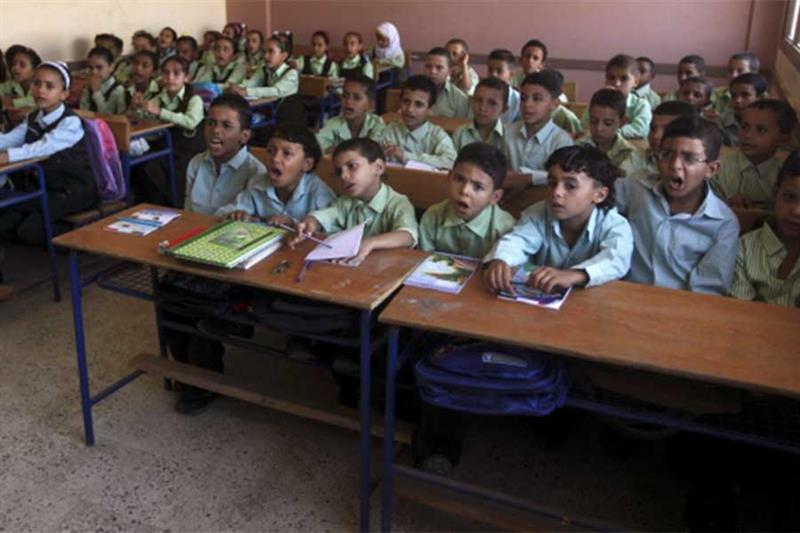
In a move aimed at enhancing the educational conditions for students, a prominent educational expert has called for the cancellation of April exams, emphasizing the need to advance May tests to avoid their overlap with Eid al-Adha. This call reflects a growing concern about the pressures faced by students during exam periods.
The expert confirmed that canceling April exams would help alleviate the psychological burden on students, allowing them to focus better on their studies. He also noted that moving May tests earlier would aid in organizing the academic schedule more effectively.
Event Details
This call comes at a time when schools and universities in Egypt are experiencing increasing pressures due to rising academic demands. Studies have shown that students suffer from high levels of stress during exam periods, negatively impacting their academic performance.
The expert pointed out that many other countries have taken similar steps to reduce student pressures, reflecting a global trend towards improving the educational environment.
Background & Context
Historically, April exams have been a part of the educational system in Egypt, serving as an important evaluation period for students. However, the social and economic changes the country has witnessed in recent years have made it necessary to reconsider these practices.
This call comes amidst broader discussions on how to improve the educational system in Egypt, as officials seek to balance educational requirements with the daily pressures faced by students.
Impact & Consequences
If these proposals are accepted, they could lead to significant changes in how the academic year is organized in Egypt. These changes could help improve academic performance and reduce stress levels among students.
Additionally, these steps may encourage further innovations in the educational system, contributing to the enhancement of education quality in the country.
Regional Significance
This call is part of broader trends in the Arab region towards improving education. Many Arab countries face similar challenges in their educational systems, making it essential to exchange experiences and ideas.
Such initiatives could encourage the adoption of new strategies in education, contributing to a better future for education in the region.
In conclusion, this call reflects the urgent need to reevaluate educational systems in the Arab world, focusing on improving conditions for students and alleviating the pressures they face.