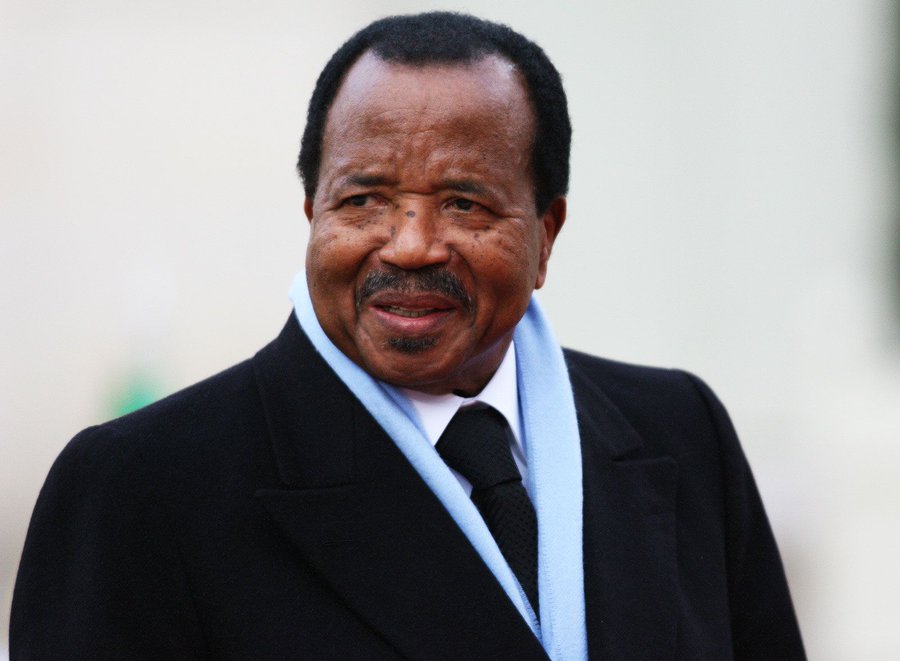
The Cameroonian government has announced the establishment of a vice president role for President Paul Biya, who is 93 years old, in a move that reflects the continuation of his rule, which has lasted over 40 years. This decision comes at a time when the country is facing significant political and economic challenges, raising questions about the future of Cameroon under Biya's leadership.
This step follows a period of debate regarding the future of leadership in Cameroon, where Biya is considered one of the world's longest-serving leaders. The decision was made during a cabinet meeting, where the importance of enhancing political stability in the country was emphasized.
Details of the Announcement
The approval of the vice president role comes at a time of escalating political tensions in the country, particularly with increasing calls for political reforms. Some analysts have indicated that this move may aim to strengthen Biya's authority in the face of growing challenges.
Paul Biya is a controversial figure in Cameroonian politics, having assumed the presidency in 1982. His government has faced widespread criticism for suppressing opposition and the absence of political freedoms, leading to the deterioration of the economic and social situation in the country.
Background & Context
Historically, Cameroon has faced numerous political challenges since gaining independence from French colonial rule in 1960. Biya's rule has been characterized by political authoritarianism, where force has been used to suppress any opposition. However, there remains strong support for him from certain segments of society, reflecting the political divide in the country.
In recent years, calls for political reforms in Cameroon have intensified, especially in light of the economic and social crises the country is experiencing. These crises have led to widespread protests, increasing pressure on the government.
Impact & Consequences
The establishment of the vice president role for Paul Biya could have significant implications for the political landscape in Cameroon. On one hand, this decision may enhance the stability of the current government; however, it could also exacerbate tensions with the opposition, which is demanding change.
This move may also impact Cameroon's international relations, as Western countries closely monitor the political situation in the country. The continuation of Biya's rule could lead to a reduction in international support, particularly amid increasing pressure from human rights organizations.
Regional Significance
Cameroon is part of the broader African landscape, and political events there may influence neighboring countries. The continuation of Biya's rule could encourage some regimes in the region to take similar steps, reflecting the challenges of democracy in many African nations.
At the same time, Arab countries should consider the lessons learned from the political experiences in Cameroon, especially regarding the importance of political reforms and the preservation of human rights.