Amid the complex global gold industry, where illegally mined gold is laundered by drug traffickers and terrorists, the Royal Canadian Mint has stated that its gold products come from clean and ethical sources. The mint asserts that it can trace all the gold it produces back to its original sources, utilizing advanced technologies that include a program similar to Bitcoin called Bullion Genesis.
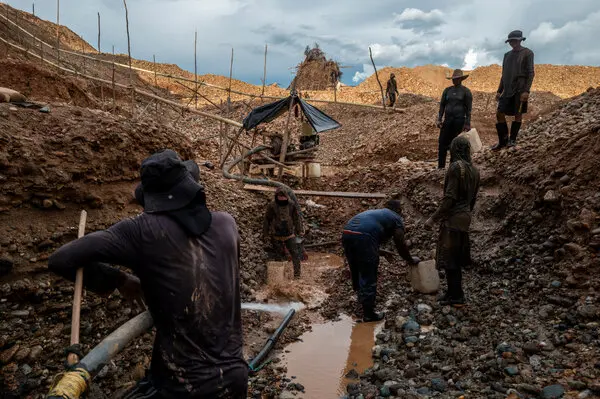
In a statement, Rob Sargent, head of refining at the mint, mentioned that all the gold being refined is from North America, primarily from Canada. However, investigations indicate that what Canada considers North American gold also includes gold extracted from Colombian mines controlled by drug cartels.
Details of the Investigation
An investigation published by the New York Times revealed that the U.S. Mint, its counterpart in Washington, was purchasing gold originating from mines controlled by drug cartels. Unlike the Americans, who have not tracked their gold supplies for decades, Canada was aware that it was importing gold from a country where cocaine trade, military violence, and gold trafficking are interconnected.
This situation raises questions about the effectiveness of the systems in place in Canada to ensure that the gold being refined is not linked to illegal armed groups. It reflects the significant challenges faced by countries in attempting to ensure that their supply chains are free from corruption.
Background & Context
Historically, Canada has been considered one of the leading countries in gold production, possessing substantial reserves of this precious metal. However, the global gold industry faces increasing challenges related to sustainability and ethics. In recent years, there has been mounting pressure on companies and governments to ensure that the gold produced is not associated with organized crime or human rights violations.
Canada is one of the countries striving to enhance its reputation for producing clean gold, but this investigation highlights the gaps in its oversight system. There is an urgent need to develop more effective mechanisms to ensure transparency in supply chains.
Impact & Consequences
This issue raises widespread concern about how countries handle ethical issues in international trade. While Canada seeks to bolster its position as a source of clean gold, this scandal could negatively impact its reputation and lead to a loss of trust among consumers and investors.
Furthermore, the association of gold with drug trafficking reflects the challenges governments face in combating organized crime. A coordinated response among countries is required to ensure that global supply chains are not affected by organized crime.
Regional Significance
For Arab countries, this issue underscores the importance of enhancing transparency in trade and compliance with ethical standards. Many Arab nations rely on gold exports as a primary source of revenue, making it essential to ensure that these supply chains are free from corruption.
This issue may also prompt Arab countries to reevaluate their strategies in dealing with the gold trade, highlighting the importance of regional and international cooperation to ensure that trade is conducted ethically.