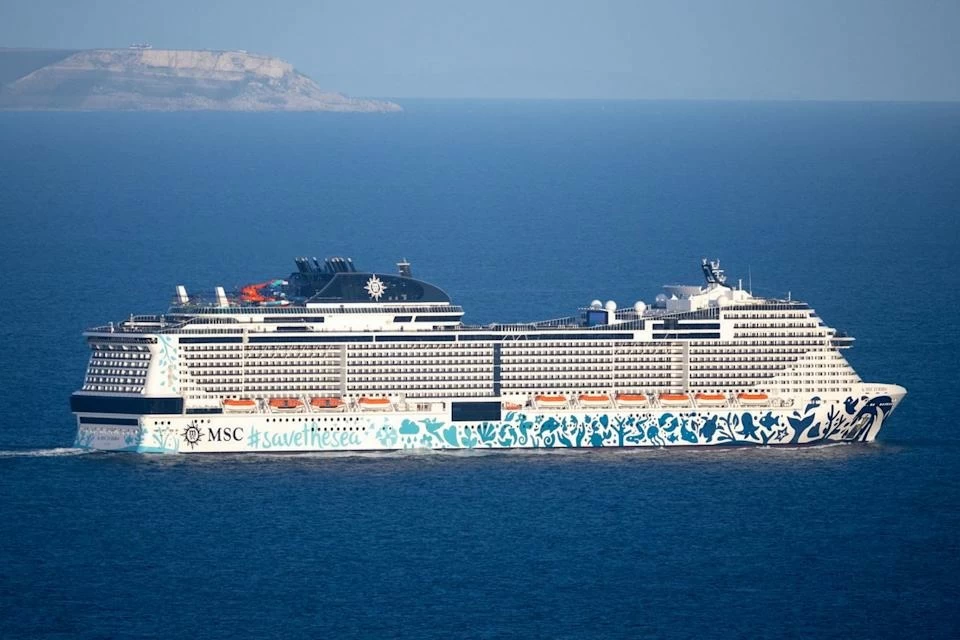
Rising security tensions in the Middle East, stemming from the conflict with Iran, have impacted the cruise sector, leading several companies to cancel or reroute their trips away from the region.
In this context, Celestyal Cruises, based in Athens, announced the cancellation of all its scheduled trips for April 2026. The company explained that restrictions around the Strait of Hormuz prevented two of its ships from returning to the Mediterranean, with one still in Dubai and the other in Doha.
Details of the Event
Celestyal Cruises confirmed that the resumption of trips might be in early May, but this depends on the developments in the security situation. Affected travelers have been offered multiple options, including a full refund or a credit for future trips.
In a statement, the company's commercial officer, Lee Haslett, emphasized that the safety of passengers and crew remains the top priority, noting that the decision, despite its difficulty, provides customers with greater clarity and flexible options.
Background & Context
In a related development, Explora Journeys, based in Geneva, announced the cancellation of plans to operate its ship EXPLORA II in the Middle East during the 2026-2027 winter season, redirecting its route to the Mediterranean. The new itineraries are set to include ports in the western Mediterranean and North Africa, such as Funchal, Casablanca, and the old city of Ibiza.
According to specialized reports, at least six ships belonging to four different companies have been affected since the beginning of March due to escalating tensions in the region. Additionally, MSC Cruises had to implement an emergency plan to repatriate over 1,500 stranded passengers in Dubai, organizing special flights and collaborating with commercial airlines.
Impact & Consequences
These developments reflect the significant impact that the crisis in the Strait of Hormuz, one of the world's most important maritime passages, has had not only on energy supplies but also on travel and cruise tourism. The cruise industry faces substantial challenges amid rising geopolitical tensions, prompting companies to redraw their operational plans while travelers bear the brunt of cancellations and sudden changes in itineraries.
This crisis serves as a wake-up call for the cruise tourism industry, which heavily relies on the stability of security conditions in the region. As tensions continue, we may witness further adjustments and cancellations in cruise trips.
Regional Significance
These events directly impact tourism in the Arab region, where cruise trips are a significant source of tourism revenue. With increasing security concerns, the number of tourists coming to the region may decline, adversely affecting the local economy.
In conclusion, this crisis highlights the importance of security stability in the region and its direct impact on vital sectors such as tourism. Companies and stakeholders must work to find solutions to ensure the safety of travelers and restore confidence in the cruise tourism sector.