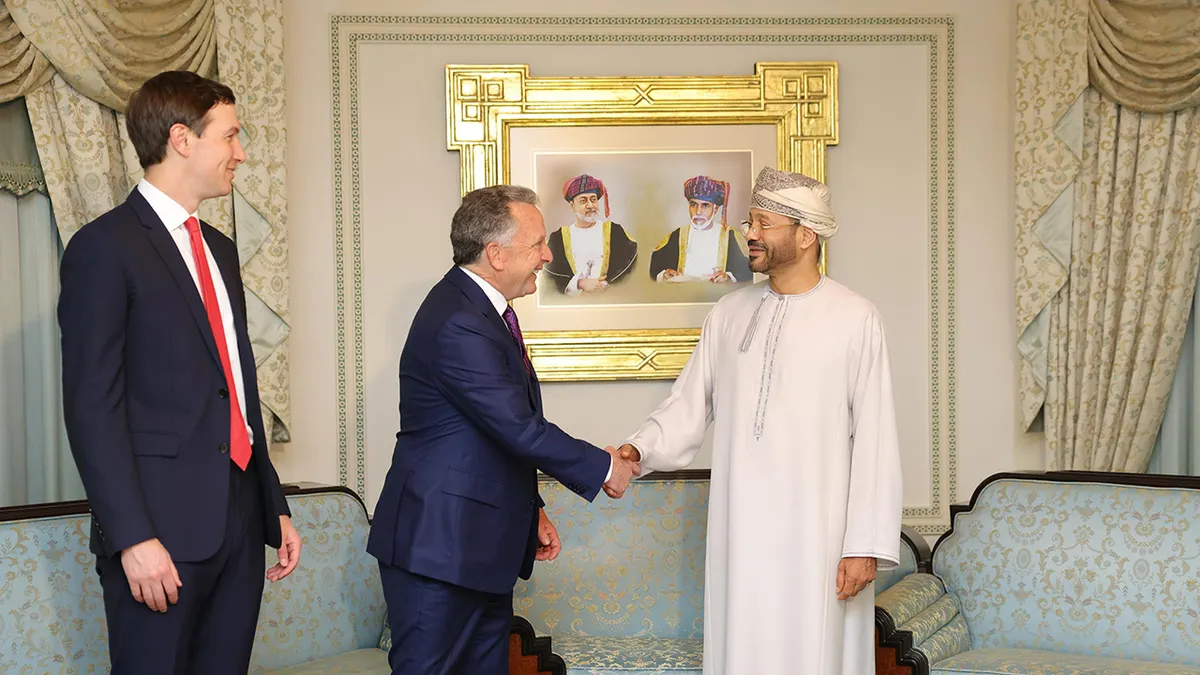
The cancellation of the visit by U.S. Special Envoy to Afghanistan Zalmay Khalilzad and White House Senior Advisor Jared Kushner to Pakistan has raised questions about the future of U.S.-Pakistan relations. President Donald Trump clarified that this decision does not necessarily indicate a resumption of war, noting that current circumstances require a reassessment of strategies.
Previously, the visit was scheduled as part of U.S. efforts to enhance cooperation with Pakistan in combating terrorism and supporting the peace process in Afghanistan. However, the cancellation comes at a sensitive time, as tensions in the region are escalating, raising fears of a potential escalation in conflict.
Details of the Event
The White House announced that the cancellation of the visit was the result of a comprehensive review of U.S. policies towards Pakistan. Trump emphasized that the U.S. is not seeking to resume military operations but is looking for diplomatic solutions. He also highlighted the importance of dialogue with Pakistan in achieving regional stability.
On the other hand, the Pakistani government expressed regret over the cancellation of the visit and reaffirmed the importance of bilateral relations in facing common security challenges. The spokesperson for the Pakistani Foreign Ministry stated that the country remains committed to cooperating with the U.S. in combating terrorism.
Background & Context
Historically, U.S.-Pakistan relations have experienced numerous fluctuations, with Pakistan being a key ally of the U.S. during the war on terrorism following the events of September 11. However, relations have deteriorated in recent years due to U.S. accusations of Pakistan harboring terrorist elements.
In recent years, the U.S. has attempted to rebuild trust with Pakistan by providing military and economic aid, yet tensions remain. The cancellation of the visit may reflect instability in these relations and complicate peace efforts in Afghanistan.
Impact & Consequences
The cancellation of the visits by Kushner and Khalilzad could negatively impact peace efforts in Afghanistan, as Pakistan is considered a key player in this context. The absence of direct dialogue between U.S. and Pakistani officials may exacerbate security conditions in the region.
This decision may also affect U.S. relations with other allies in the region, as they may feel uncertain about U.S. commitments to them. At the same time, extremist groups may exploit the situation to enhance their activities in the region.
Regional Significance
Developments in U.S.-Pakistan relations are particularly significant for the Arab region, as any escalation in conflict could impact regional security. Arab countries are closely monitoring these developments, especially amid ongoing tensions in the Middle East.
Moreover, the stability of Pakistan is a crucial element for regional security, as it can affect trade and investment flows in the area. Therefore, any changes in U.S. policy towards Pakistan could have wide-ranging implications for Arab nations.
In conclusion, the question remains about the future of U.S.-Pakistan relations and whether this step will lead to heightened tensions or open the door for new dialogue. The current situation requires all parties to work towards finding peaceful solutions that ensure stability in the region.