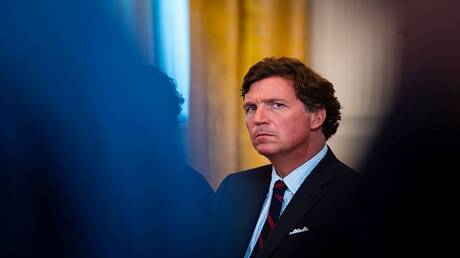
Prominent American media figure Tucker Carlson has expressed regret over his vote for former President Donald Trump, raising questions about the potential impact of this admission on Republican voters in the future. In recent statements, Carlson indicated that his experience with Trump did not meet his expectations, which may prompt some voters to reconsider their political choices.
Carlson's remarks, having been one of Trump's most vocal supporters, serve as a wake-up call for Republicans. This regret comes at a sensitive time as the Republican Party strives to regain its footing after a series of electoral defeats. Will Carlson's admission influence the voter base?
Details of the Event
In a recent interview, Carlson revealed feelings of regret that have overtaken him after supporting Trump in the previous elections. He explained that some of the policies and directions taken by Trump did not align with his expectations, prompting him to rethink his political options. This admission comes at a time when the Republican Party is experiencing internal divisions, with varying opinions on the party's future and direction.
Carlson is considered one of the most influential media figures in the United States, and his programs have significantly shaped public opinion. Therefore, his acknowledgment of regret could have a substantial impact on voters who previously supported Trump.
Background & Context
Since Trump took office, the Republican Party has undergone significant transformations. Opinions have divided between supporters of his policies and those who oppose them. As the next elections approach, the party is striving to unify its ranks and restore voter confidence. Carlson's statements come at a critical moment, as Republicans look to rebuild their image following consecutive defeats in recent elections.
Historically, the support of prominent media figures for their candidates has had a considerable impact on election outcomes. Thus, Carlson's admission of regret may open the door to new discussions within the party regarding their future options.
Impact & Consequences
Carlson's remarks could lead to changes in the behavior of Republican voters. Some may feel apprehensive about continuing their support for Trump, which could affect voter turnout in the upcoming elections. Additionally, this admission may encourage some voters to seek alternative options within the party.
Moreover, such admissions could increase pressure on Republican candidates to present policies that are more in line with voter aspirations. If this trend continues, we may witness a shift in the American political landscape.
Regional Significance
American elections are always of great interest in the Arab world, as U.S. policies affect many regional issues. If the Republican Party continues to be divided, it could lead to changes in U.S. foreign policies toward the Middle East.
Furthermore, any shift in the Republican Party's direction could impact U.S. relations with Arab countries, especially amid current tensions in the region. Therefore, monitoring developments on this issue will be essential to understand how it affects the region.
In conclusion, the question remains open: Will Carlson's regret influence Republican voters? What are the potential implications of this admission for the party's future? Only time will tell the answers to these questions.