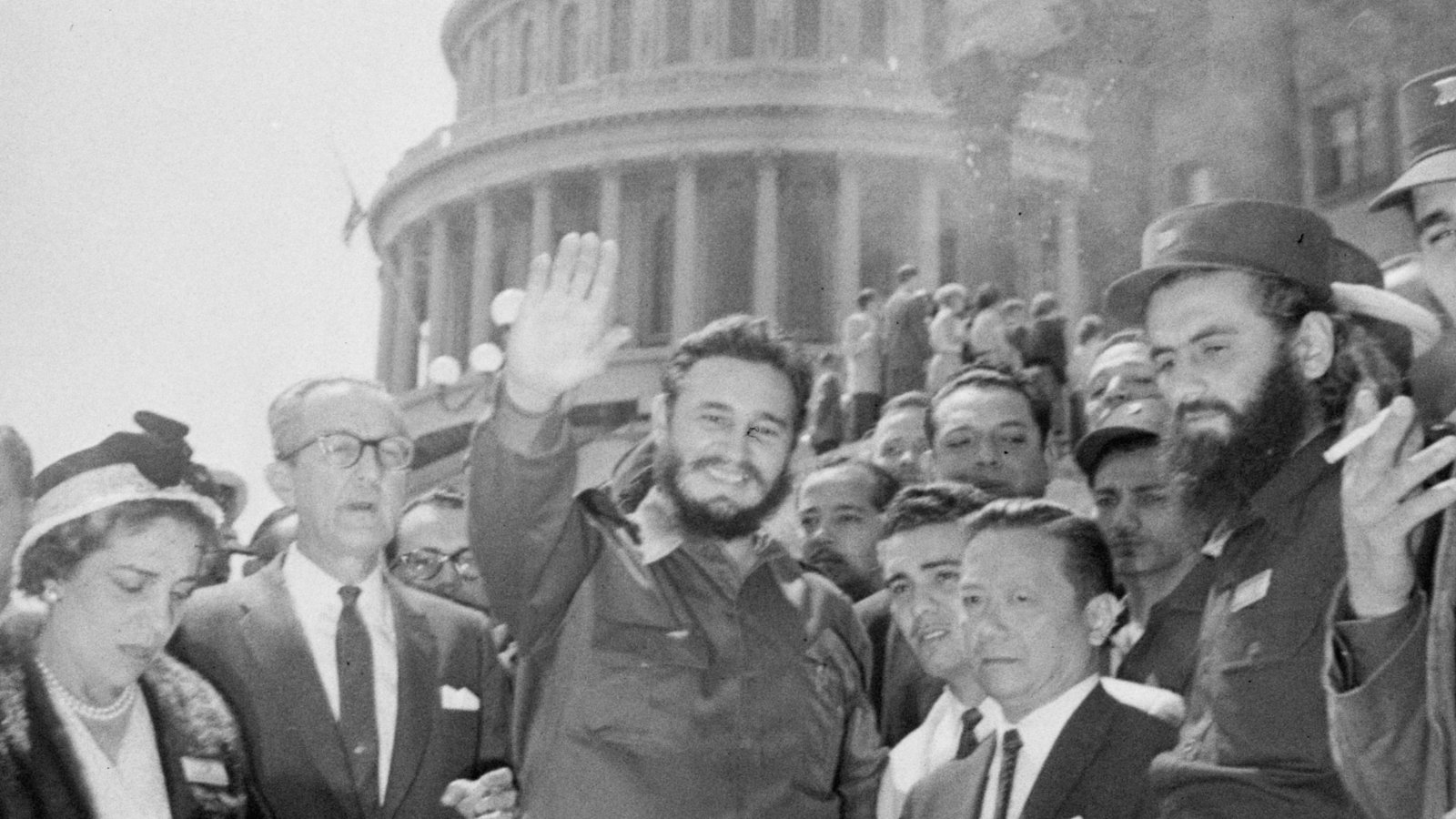
In a surprising development, the Castro family, which has represented political power in Cuba for decades, is reemerging in the political arena amid a crippling energy crisis threatening the country. This comes at a time when pressures from former U.S. President Donald Trump's administration have intensified, demanding radical changes in Cuba's policies.
Many questions arise about the possibility of one of the Castro family members, such as Miguel Díaz-Canel, who currently holds the presidency, or Alejandro Castro, a prominent figure in the Communist Party, becoming a 'Delcy of Cuba', referring to Delcy Rodríguez, the Venezuelan vice president.
Details of the Event
These shifts come at a time when Cuba is suffering from a severe energy crisis, facing frequent power outages that have significantly impacted the daily lives of its citizens. This crisis has increased pressure on the Cuban government, which is seeking quick and effective solutions.
In this context, some members of the Castro family have begun to appear in the media, expressing their views on how to handle the current crisis. These steps may indicate an attempt to rehabilitate the family's image in the eyes of the Cuban people, especially amid the economic and political challenges facing the country.
Background & Context
Historically, the Castro family has ruled Cuba since the Cuban Revolution in 1959, with Fidel Castro leading until 2008, after which his brother Raúl Castro took over. However, things began to change after Raúl's departure, as Miguel Díaz-Canel was elected as the first president not from the Castro family in over 60 years.
These developments coincide with rising tensions between Cuba and the United States, especially after Trump reinstated strict economic sanctions on Cuba, increasing pressure on the Cuban government. These sanctions have significantly affected the Cuban economy, which is already struggling with numerous difficulties.
Impact & Consequences
The increasing presence of Castro family members in the political arena could have a significant impact on Cuba's future. If they manage to regain some of their popularity, it could positively affect the country's stability. However, the ongoing economic crisis may exacerbate social and political problems.
On the other hand, continued American pressures may strengthen the Cuban government's position, as these pressures could be used as a pretext to justify current policies. This situation could lead to heightened tensions between Cuba and the United States, complicating the situation in the region.
Regional Significance
Arab countries are closely following developments in Cuba, as it is one of the countries that has maintained close relations with some Arab nations. Amid the economic and political crises facing the region, Cuba's experience in dealing with external pressures may be of interest.
Furthermore, the situation in Cuba could affect relations between Arab countries and the United States, especially given the current tensions. Understanding how Cuba manages these pressures can provide important lessons for Arab nations in their quest to maintain sovereignty and independence.