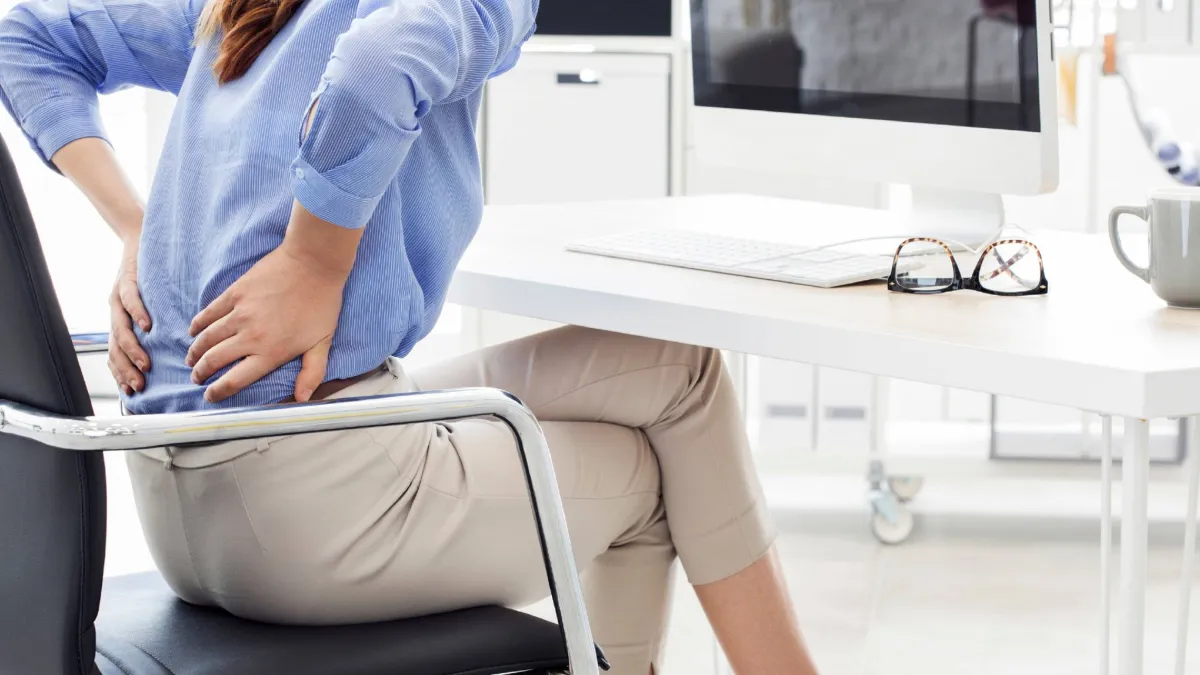
Lower back pain is a prevalent health issue that affects many individuals at different stages of their lives. This pain is often caused by strain in the back muscles or tendons, along with other factors such as arthritis, structural problems, and disc injuries. In most cases, the pain can improve with rest, physical therapy, and medication.
The intensity of lower back pain can range from mild to severe, with most people experiencing this issue at some point in their lives. According to the Cleveland Clinic, up to 23% of adults worldwide suffer from chronic lower back pain, which can hinder daily activities such as walking, sleeping, and working.
Understanding Symptoms of Lower Back Pain
The symptoms of lower back pain encompass a wide range of conditions, from sudden or gradual pain to sharp or persistent discomfort. The pain may occur after a specific event, such as bending to pick something up, and may be accompanied by a cracking sound. Additionally, the pain can radiate to the buttocks or down the legs, a condition known as sciatica. In some cases, the pain may worsen in certain positions, such as bending or squatting, while improving when lying down.
Other symptoms that may accompany lower back pain include stiffness, where the individual finds it difficult to move or straighten their back. They may feel the need to walk or stretch to alleviate this stiffness. Furthermore, issues with body posture can lead to the individual bending or not standing straight, which can increase the pain.
Background & Context
There are numerous potential causes of lower back pain, including strains and muscle pulls, which are among the most common reasons. These injuries can occur from lifting heavy objects or even from sneezing or coughing. Spinal fractures or disc problems can also lead to pain, as discs may slip or rupture, putting pressure on nerves.
Structural issues such as spinal stenosis or scoliosis are other causes that can lead to lower back pain. Arthritis, particularly osteoarthritis, is also a common cause, as it results in inflammation and stiffness in the spine.
Impact & Consequences
Lower back pain significantly affects individuals' quality of life, as it can prevent them from engaging in daily activities. In some cases, medical consultation may be necessary to determine the exact cause of the pain. Individuals experiencing severe or persistent pain are advised to see a doctor for appropriate treatment.
Treatment options include medications, physical therapy, manual therapy, and injections, and in some cases, surgical intervention may be necessary. The type of treatment depends on the underlying cause of the pain and its severity.
Regional Significance of Lower Back Pain
Lower back pain is a health issue affecting many individuals in the Arab world, where the incidence is rising due to unhealthy lifestyles and lack of physical activity. It is crucial to raise community awareness about the importance of maintaining spinal health and following appropriate preventive measures.
In conclusion, lower back pain is a common health problem that requires attention and appropriate treatment. By understanding the causes and symptoms, individuals can take effective steps to manage this issue and improve their quality of life.