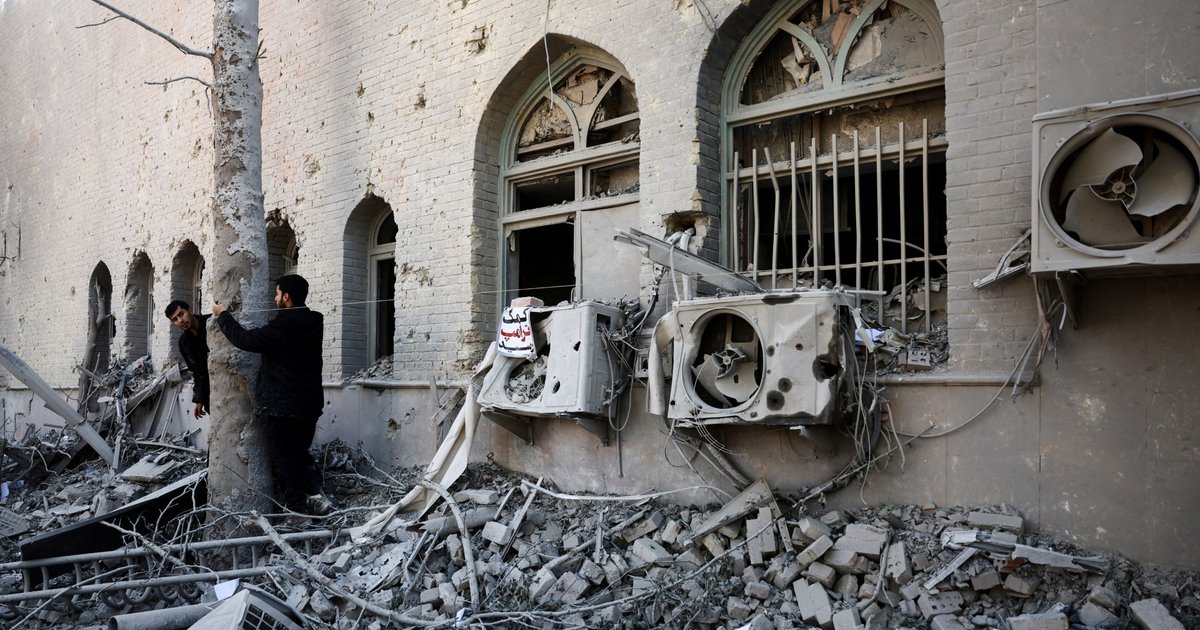
The White House spokesperson, Caroline Levitt, stated that the recently announced ceasefire represents a victory for the United States, praising the role of President Donald Trump and the U.S. military in creating the necessary conditions for diplomacy. She confirmed that the United States has "achieved and surpassed" its core objectives over the 38-day period, allowing for the opening of diplomatic solutions and lasting peace.
Levitt also noted that Trump has ensured the reopening of the Strait of Hormuz, which is considered a significant strategic step in securing maritime navigation in the region. This announcement came after the Iranian Supreme National Security Council acknowledged the two-week ceasefire, indicating that "most of the war's objectives have been achieved" and that upcoming talks in Islamabad will help "solidify" their victory on the ground through negotiation.
Details of the Ceasefire
The announced truce marks an important turning point in the ongoing conflict, following weeks of intense fighting that resulted in significant loss of life. This ceasefire was reached at a sensitive time, as international pressures were mounting to end hostilities. Several countries, including European nations, have expressed their support for peace efforts.
The actions taken by the United States and Iran indicate a mutual desire for a peaceful resolution, despite previous tensions. This development presents an opportunity to rebuild trust among the involved parties, which could lead to greater stability in the region.
Background & Context
Historically, the region has witnessed numerous conflicts that have had far-reaching implications, not only for the countries involved but also for regional and international stability. Previous conflicts in the area, such as the Iran-Iraq War, have demonstrated how disputes can lead to prolonged instability.
Past international efforts to mediate conflicts have not always been successful, but this time there seems to be new momentum towards peace. Political shifts in both the United States and Iran may contribute to creating a more favorable environment for negotiations.
Impact & Consequences
The ceasefire may pave the way for broader negotiations that include other issues such as the Iranian nuclear program and relations with Gulf states. These developments could lead to improved relations between Iran and Western countries, positively impacting the Iranian economy and enhancing stability in the region.
Furthermore, the success of this ceasefire may encourage other parties in regional conflicts to take similar steps towards peace, contributing to a reduction in tensions in other areas such as Syria and Yemen.
Regional Significance
For Arab countries, any progress towards peace in Iran could have positive repercussions. Relations between Iran and Gulf states may improve, potentially leading to greater stability in oil markets and regional trade. Additionally, successful negotiations could open avenues for regional cooperation in areas such as security and economics.
In conclusion, the ceasefire represents a significant step towards achieving lasting peace in the region, reflecting the willingness of the involved parties to seek peaceful solutions. It remains to be seen how events will unfold in the coming days and weeks.