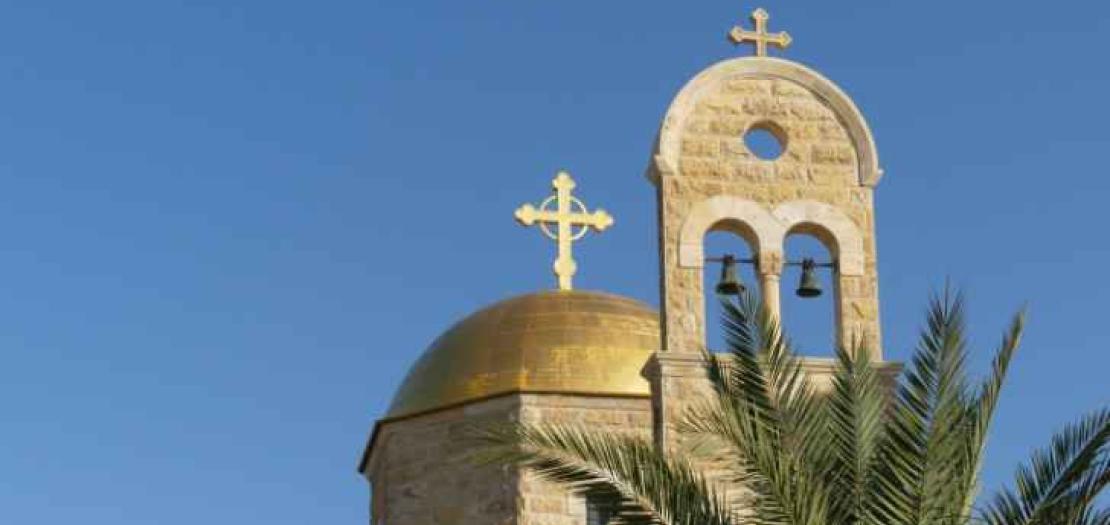
Easter celebrations in Jordan have been significantly affected by the ongoing war in the region and rising prices. Churches across the kingdom witnessed prayers seeking peace and justice, emphasizing the importance of human solidarity amidst current crises.
As Easter coincides with escalating tensions in the region, Jordanian citizens have shown a strong desire to express their hope for peace. Churches experienced a large turnout of worshippers who came to perform religious rituals, focusing their prayers on the end of conflicts and the achievement of justice.
Details of the Event
Christian churches in Jordan celebrate Easter, considered one of the most important religious holidays, where believers gather to commemorate the resurrection of Christ. This year's celebrations were marked by an atmosphere of sadness and anxiety, as many worshippers pointed to the impact of political and economic conditions on their daily lives.
In several Jordanian cities, such as Amman and Irbid, the celebrations included religious hymns and prayers calling for peace. Images circulated on social media showed large gatherings of worshippers, reflecting their desire to strengthen social and religious ties during these difficult times.
Background & Context
This year's Easter arrives amidst challenging economic conditions faced by many Jordanians, as prices have significantly risen due to regional crises. These circumstances have affected citizens' purchasing power, making the celebration of Easter take on a different character compared to previous years.
Historically, Easter symbolizes hope and renewal, but current conditions have left many feeling anxious. Events in the region, including ongoing conflicts, cast a shadow over the celebrations, highlighting the need for peace and stability.
Impact & Consequences
The impact of war and rising prices on Easter celebrations reflects a bitter reality experienced by many people in the region. Holidays, which were once opportunities for joy and gathering, have become expressions of hope for a better tomorrow. These conditions may also affect social ties among different communities in Jordan.
The calls for peace and justice made by worshippers reflect a strong desire for change, potentially stimulating peace efforts in the region. Furthermore, the human solidarity emphasized during these celebrations could positively impact the strengthening of relationships among various sects.
Regional Significance
Easter in Jordan is not just a religious celebration; it is also an indicator of the challenges faced by Arab communities amidst multiple crises. The economic and political conditions in Jordan reflect the reality of many Arab countries suffering from internal and external conflicts.
In this context, Easter celebrations can serve as an opportunity to renew calls for peace and understanding among peoples. The hope expressed by citizens during these difficult times can be a driving force for achieving positive change in the region.
In conclusion, Easter remains a symbol of hope and renewal, even in the darkest circumstances. The calls for peace and justice made by worshippers in Jordan reflect their aspirations for a better future, making these celebrations an occasion to reflect on the importance of human solidarity in facing challenges.