In February 2026, a small wooden boat landed on the shores of "Île du Coin" in the heart of the Indian Ocean, carrying four men embarking on a journey to return to their ancestral home. Just a few meters from the sandy beach, coconuts lay scattered, evoking memories of the life their parents lived before being forcibly removed from the island by the British over half a century ago. This island still bears the marks of the British colonial era, as the Chagossians live in exile from their homeland.
The four men are aware that their journey is fraught with danger, and that returning may require confronting the British forces that expelled their parents. In a conversation with the media, Misley Mandarene, one of the Chagossians, stated that their return does not threaten the American base, and that they intend to coexist with its presence in their homeland.
Event Details
The relationship between the Chagossians and Britain is not only complex but also involves Mauritius, which historically claims the archipelago as part of its territory. In a legal move, Britain acknowledged last year Mauritius's right to sovereignty over the islands, leading to the initiation of a sovereignty transfer process. However, Diego Garcia was excluded from the right of return, which angered the Chagossians who prefer to return under British sovereignty.
In 1966, a secret agreement was signed between Britain and the United States at the American embassy in London, granting Washington the rights to establish a military base on Diego Garcia. This agreement came at a time when Britain was under pressure to end colonialism, but it did not want to relinquish a strategically important location.
Background & Context
The history of Diego Garcia dates back to the sixteenth century when it was uninhabited until the late eighteenth century. After the British seized it, the indigenous population was forcibly removed, leading to the island being emptied of its inhabitants. In the 1960s, London and Washington agreed to displace the population to build the American base in exchange for financial support for Britain.
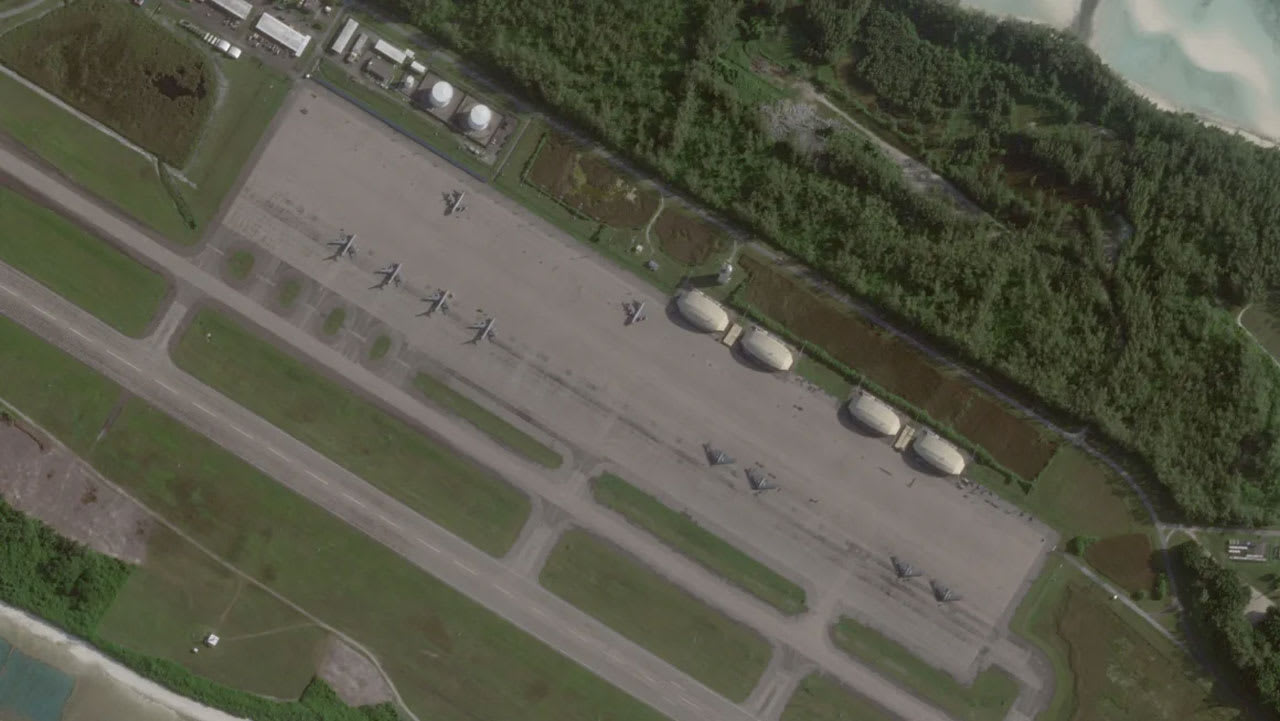
Over time, the military base at Diego Garcia has become a strategic center for American military operations, being used in numerous wars, including the wars in Afghanistan and Iraq. As regional tensions have escalated, the base has become a focal point of American concern over increasing Chinese influence in the area.
Impact & Consequences
Today, Diego Garcia is a fortified military base equipped with the latest defense systems, playing a vital role in global security. However, the continued presence of the base complicates the issue of the Chagossians' rights to return to their homeland. The recent agreement between Britain and Mauritius ensures continued American control over the base for 99 years, raising questions about the future of the indigenous population.
At the same time, the Chagossians face complex legal challenges as they seek clear guarantees for their rights to return. With some groups beginning to return to islands in the archipelago, their fate remains suspended between Mauritian sovereignty and American military presence.
Regional Significance
The issue of Diego Garcia transcends the boundaries of the Indian Ocean, reflecting geopolitical conflicts among major powers. For Arabs, this issue underscores the importance of people's rights to self-determination and highlights the challenges faced by nations in confronting neo-colonialism.
In conclusion, Diego Garcia remains a test of the credibility of Washington and London as nations that advocate for democracy, necessitating the addressing of colonial termination and indigenous rights issues. As the struggle for sovereignty continues, the Chagossians await the realization of their dream to return to their homeland.