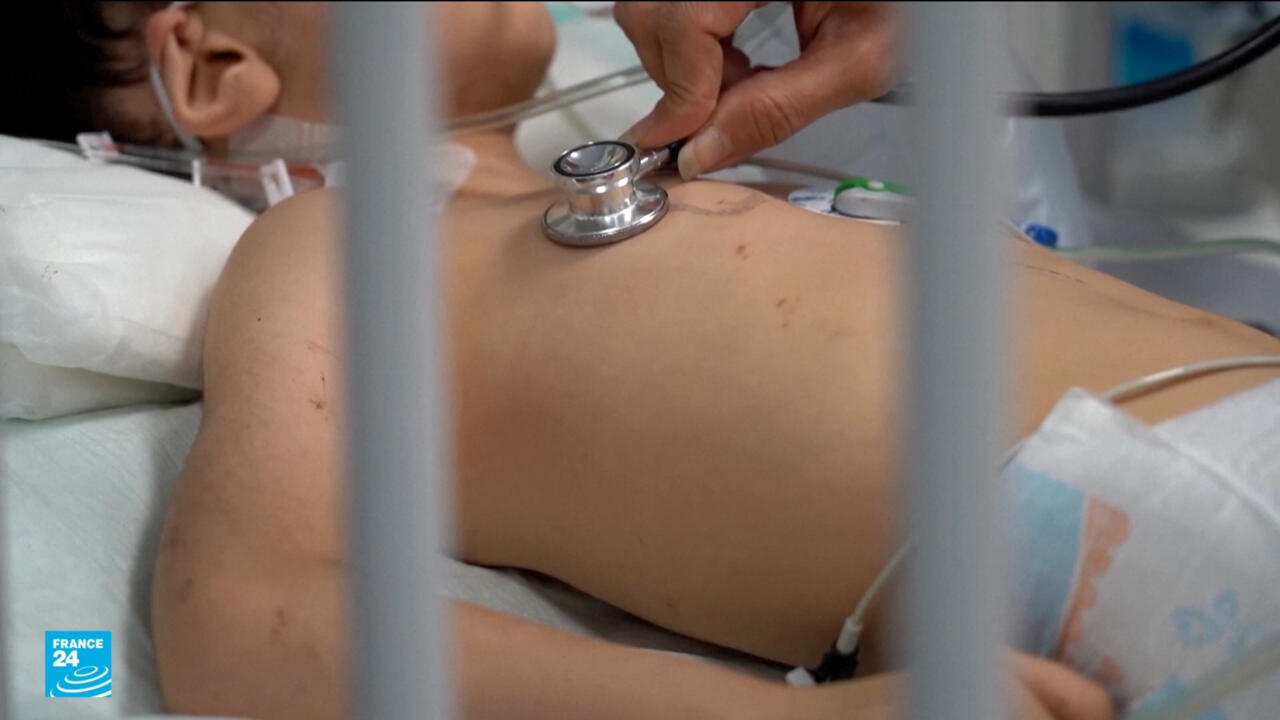
Reports indicate that children in Lebanon and Iran are suffering from the consequences of wars, with approximately 19,000 children displaced daily in Lebanon, highlighting the devastating impact of conflicts on emerging generations. According to the United Nations Children's Fund (UNICEF), this number equates to hundreds of school buses carrying children fleeing conflict zones in search of safety and life.
The humanitarian situation in Lebanon is worsening, as children face severe challenges, including displacement, poverty, and deprivation of education. These conditions significantly affect their mental and physical health, placing them at the forefront of war victims.
Details of the Situation
Reports indicate that the situation in Lebanon has deteriorated in recent years due to ongoing conflicts and economic crises. Children, who are supposed to be in school, find themselves forced to flee their homes due to violence and security threats. This mass displacement serves as a wake-up call for the international community, demonstrating the urgent need to provide protection and support for affected children.
In Iran, the situation is no better, as children suffer from the repercussions of wars and regional conflicts. Experts point out that children in border areas face additional risks, including forced recruitment and severe violations of their rights. These conditions make it imperative for the international community to intervene to protect children's rights and ensure a better future for them.
Background & Context
The Middle East has been experiencing ongoing conflicts for decades, exacerbating humanitarian crises. Lebanon, which has suffered from a long civil war, continues to bear the effects of those conflicts, as economic and political crises continue to impact the lives of citizens, especially children. At the same time, Iran, which plays a pivotal role in regional conflicts, faces internal and external challenges affecting its stability.
Reports show that children in these regions are the most affected, deprived of education and basic healthcare. This situation constitutes a blatant violation of their rights, necessitating urgent intervention from the international community.
Impact & Consequences
The consequences of displacement extend beyond children to society as a whole, as crises affect social and economic stability. Experts demonstrate that children exposed to conflicts at an early age may face difficulties adapting to normal life, leading to an increase in violence and crime in the future.
Moreover, the loss of education and healthcare impacts human development in these communities, hindering progress and sustainable development. Investing in children and protecting them from conflicts is essential to ensuring a better future for the region.
Regional Significance
The suffering of children in Lebanon and Iran exemplifies the conflicts faced by many Arab countries. The situation in these nations highlights the urgent need for humanitarian support and protection for children, who are considered victims not responsible for the conflicts. Coordinated efforts from governments and international organizations are necessary to ensure children's rights and protect them from the effects of wars.
In conclusion, children in Iran and Lebanon symbolize the suffering of emerging generations in the Middle East. There must be an urgent response from the international community to protect these children and guarantee their rights, as the future of the region depends on their stability and well-being.