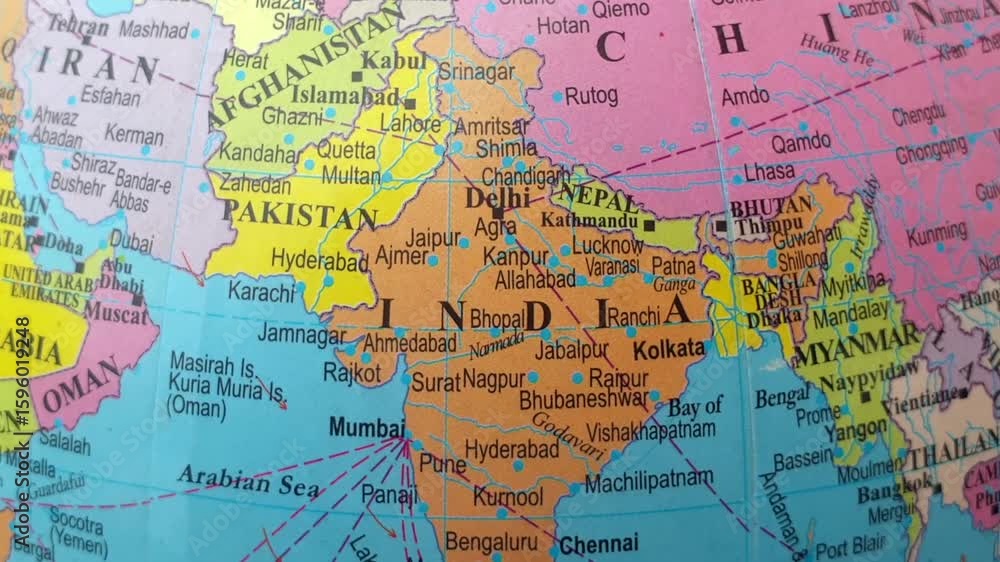
china, pakistan, and afghanistan held crucial talks in beijing to address the ongoing tensions in xinjiang. the move aims to strengthen regional cooperation and achieve stability, as the three countries seek effective solutions to the security and economic challenges they face.
xinjiang is a strategically important region for china, boasting significant cultural and ethnic diversity. however, the region has witnessed increasing tensions in recent years, prompting beijing to seek support from its neighbors, particularly pakistan and afghanistan, to boost security and stability.
key details
the delegations from the three countries met in beijing to discuss cooperation in security and development areas. they focused on the importance of exchanging intelligence information and enhancing security coordination between the three countries. economic issues and ways to boost trade and investment between china, pakistan, and afghanistan were also discussed.
the officials emphasized the significance of dialogue and mutual understanding in resolving conflicts. they expressed hope that these talks would help ease tensions and bring peace to the region.
background and context
xinjiang has historically witnessed tensions between the chinese government and some ethnic minority groups, particularly the uyghurs. in recent years, the chinese government has taken strict measures to counter what it sees as national security threats. this has sparked widespread international criticism, prompting beijing to seek support from its neighbors.
pakistan and afghanistan are crucial neighbors for china in this context. pakistan is a strategic partner for china, while afghanistan seeks to achieve stability after decades of conflict. cooperation between these countries can help improve the situation in xinjiang.
impact and consequences
if these talks yield positive results, they could lead to improved security conditions in xinjiang and enhanced stability in the region. they may also boost economic cooperation between the three countries, benefiting their people.
however, these talks face significant challenges, particularly in the face of global political and economic tensions. success depends on the political will of the involved countries and their ability to overcome their differences.
regional significance
these talks are also important for the arab region, highlighting the importance of regional cooperation in addressing shared challenges. stability in xinjiang can contribute to enhanced security in central asia, indirectly affecting arab countries.
in conclusion, the tripartite talks in beijing represent a crucial step towards achieving stability in xinjiang. the involved countries must work diligently to achieve tangible results that improve the situation in the region.