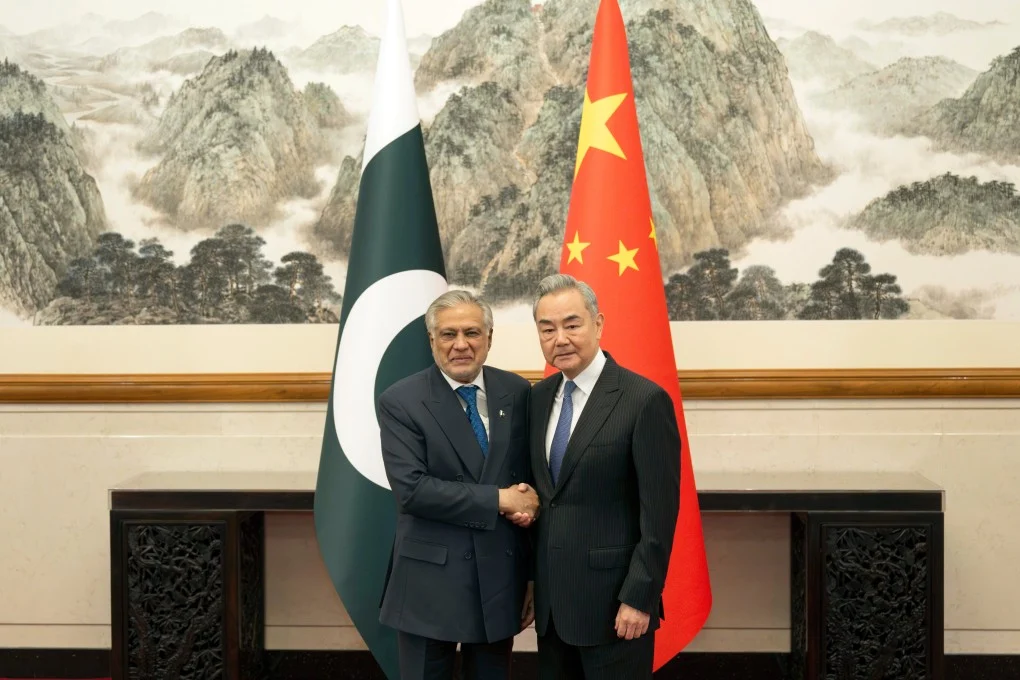
In a new step aimed at addressing the Iranian crisis, China and Pakistan announced a joint five-point plan last Tuesday. Chinese analysts have described this plan as a "viable pathway" towards achieving a ceasefire and renewing diplomatic efforts in the region.
This initiative comes at a time when the traditional security system in the Middle East, dominated by the United States, is facing increasing pressures and new challenges. Regional powers are seeking to play a larger role in mediation and stabilizing the area.
Details of the Joint Plan
The joint plan between China and Pakistan includes several key points, among them a call for an immediate cessation of hostilities and the resumption of dialogue among the concerned parties. The plan also emphasizes the importance of regional cooperation in addressing security and economic issues.
This step is taken at a time when tensions are escalating in the region, as Iran seeks to enhance its influence in Iraq, Syria, and Lebanon, which intensifies the conflict with other regional powers. Observers have noted that this initiative could be the beginning of larger efforts to shape a new security system in the Middle East following the end of current conflicts.
Background & Context
Historically, the Middle East has always been a theater of multiple conflicts, where regional and international interests have intertwined in a complex manner. Since 2003, when the United States invaded Iraq, the region has witnessed radical changes in political and security balances.
In recent years, regional powers like Turkey, Iran, and Saudi Arabia have begun to enhance their roles as mediators in conflicts, reflecting a shift in traditional dynamics that were dominated by major powers. This shift may contribute to reshaping the security system in the region, especially in light of the declining American influence.
Impact & Consequences
The success of the China-Pakistan plan could lead to improved security conditions in the region, contributing to greater stability and enhancing the prospects for peace. It may also open the door for further cooperation among regional countries in economic and security fields.
On the other hand, this initiative may face significant challenges, especially from powers that still seek to maintain their influence in the region. Any resistance to these plans could exacerbate security conditions and increase tensions among states.
Regional Significance
For Arab countries, this initiative may represent an opportunity to enhance regional cooperation and achieve stability. Security in the Middle East directly affects Arab nations, as their economies and national security are influenced by developments in Iran.
If China and Pakistan succeed in achieving their goals, it could lead to a change in regional dynamics, providing Arab countries with a greater opportunity to play a role in shaping the future of the region.
In conclusion, the China-Pakistan plan for the Iranian crisis represents an important step towards achieving peace and stability in the Middle East. However, success depends on the ability of the concerned parties to overcome current challenges and work together towards a better future.