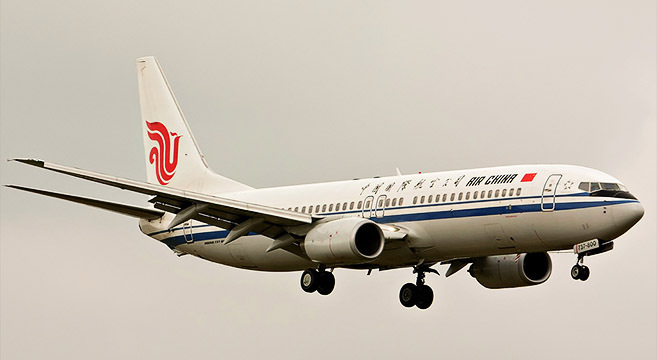
China Southern Airlines resumed its direct flights to North Korea's capital, Pyongyang, on Monday, marking the end of a six-year hiatus caused by the COVID-19 pandemic. This move comes at a sensitive time as both countries seek to strengthen their economic and political ties after a prolonged period of isolation.
The airline plans to operate flights to Pyongyang every Monday, facilitating travel between the two nations and indicating China's desire to revitalize its relationship with North Korea. These flights are a significant development following a long closure due to health restrictions imposed by the pandemic, which halted most international air travel.
Details of the Resumption
This resumption is seen as a sign of improving relations between China and North Korea, as air travel between the two countries had been suspended since 2017. The restart of flights suggests China's willingness to support the regime of Kim Jong-un, which has been facing increasing economic pressures due to international sanctions.
China aims to enhance its cooperation with its northern neighbor, particularly in trade and investment, which could contribute to regional stability. Additionally, the resumption of flights may pave the way for further collaboration in other areas such as tourism and cultural exchange.
Background & Context
Historically, relations between China and North Korea have been volatile, experiencing periods of close cooperation and times of tension. Since Kim Jong-un took power, North Korea has sought to bolster its independence from China, yet it remains heavily reliant on Beijing for economic support.
Prior to the COVID-19 pandemic, there were numerous flights between China and North Korea, which helped to strengthen trade and cultural relations. However, the pandemic led to border closures that adversely affected the North Korean economy, which is significantly dependent on trade with China.
Impact & Consequences
The resumption of air travel between China and North Korea could have significant implications for the regional situation. It is likely to lead to an increase in trade between the two countries, helping North Korea alleviate some of the economic pressures it faces.
This move may also reactivate dialogue between North Korea and other nations, including the United States and South Korea. If relations continue to improve, we may witness further openness from North Korea, which could contribute to stability in the region.
Regional Significance
Although the relations between China and North Korea may seem distant from Arab affairs, there are indirect effects on the region. Strengthening ties between China and North Korea could shift power dynamics in East Asia, potentially impacting regional and global policies.
Furthermore, the resumption of flights may open avenues for increased cooperation between Arab nations and China, particularly in trade and investment. Amid global economic challenges, Arab countries may seek to bolster their relations with China as part of their sustainable development strategies.