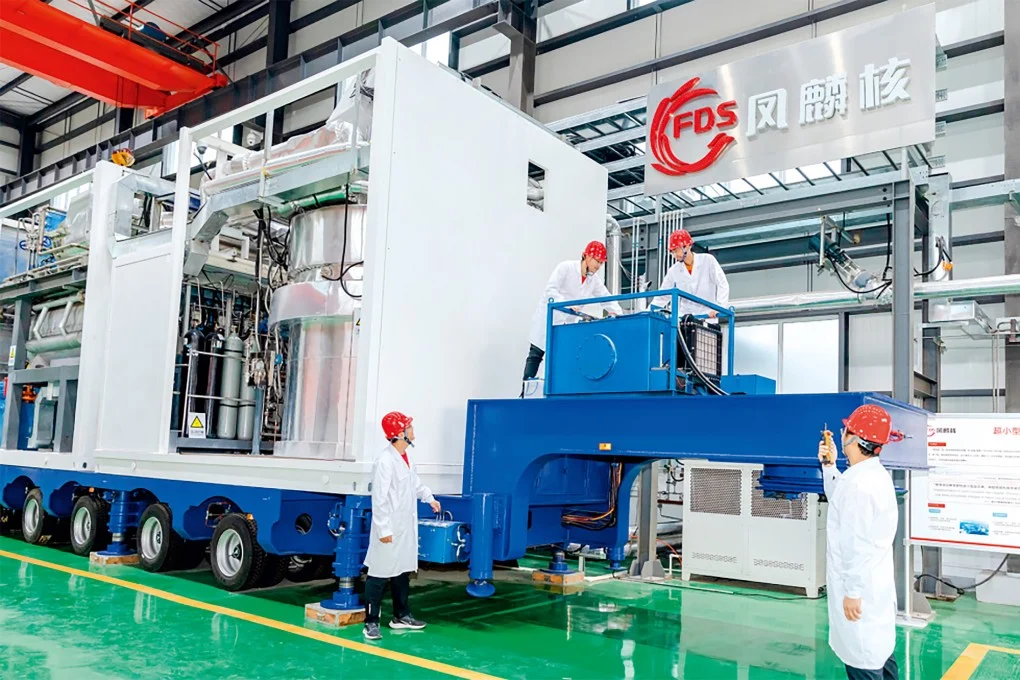
China has begun testing a prototype of a mobile nuclear reactor that can be transported on a truck, representing a significant achievement in the field of nuclear energy. A leading scientist described the reactor as "the world's first mobile nuclear power unit with a capacity of 10 megawatts," indicating that the team working on its development is currently exploring opportunities for its use.
This reactor, referred to as the "Nuclear Energy Bank," exemplifies the new generation of nuclear power systems. This innovation is expected to revolutionize the way nuclear energy is utilized, especially in applications requiring high energy, such as AI data centers.
Event Details
The reactor has been developed over several years and is characterized by its ability to provide stable and reliable energy. Its production capacity of 10 megawatts makes it an ideal choice for powering AI data centers that require substantial energy to run servers and process data rapidly.
This development comes at a time when there is an increasing need for sustainable and efficient energy sources, particularly with the growing reliance on modern technology and artificial intelligence across various sectors. It is anticipated that this reactor will contribute to reducing dependence on traditional energy sources.
Background & Context
Historically, nuclear energy has been considered a controversial energy source, associated with safety and environmental risks. However, recent technological advancements have improved the safety of nuclear reactors, making them a more acceptable option in many countries. China, one of the largest producers of nuclear energy, is striving to expand the use of this technology.
It is noteworthy that China has invested significantly in developing nuclear energy as part of its sustainable energy strategy. This mobile reactor is part of its efforts to provide innovative energy solutions that meet future needs.
Impact & Consequences
This innovation could have a significant impact on how energy is produced and used in the future. If this reactor is successfully implemented, it could transform the operation of data centers, reducing energy costs and increasing operational efficiency. It may also contribute to lowering carbon emissions associated with energy production.
Furthermore, this development could encourage other countries to explore greater use of nuclear energy, potentially leading to increased international cooperation in sustainable energy. However, challenges related to safety and public acceptance of this technology remain.
Regional Significance
In the Arab region, this development could have multiple implications. Countries seeking to develop alternative energy sources may find this technology an opportunity to enhance their production capabilities. Additionally, cooperation in nuclear energy could strengthen relations between Arab countries and China, contributing to the achievement of sustainable development goals.
In conclusion, this innovation represents an important step towards a more sustainable future in the energy sector and underscores the significance of research and development in this field.