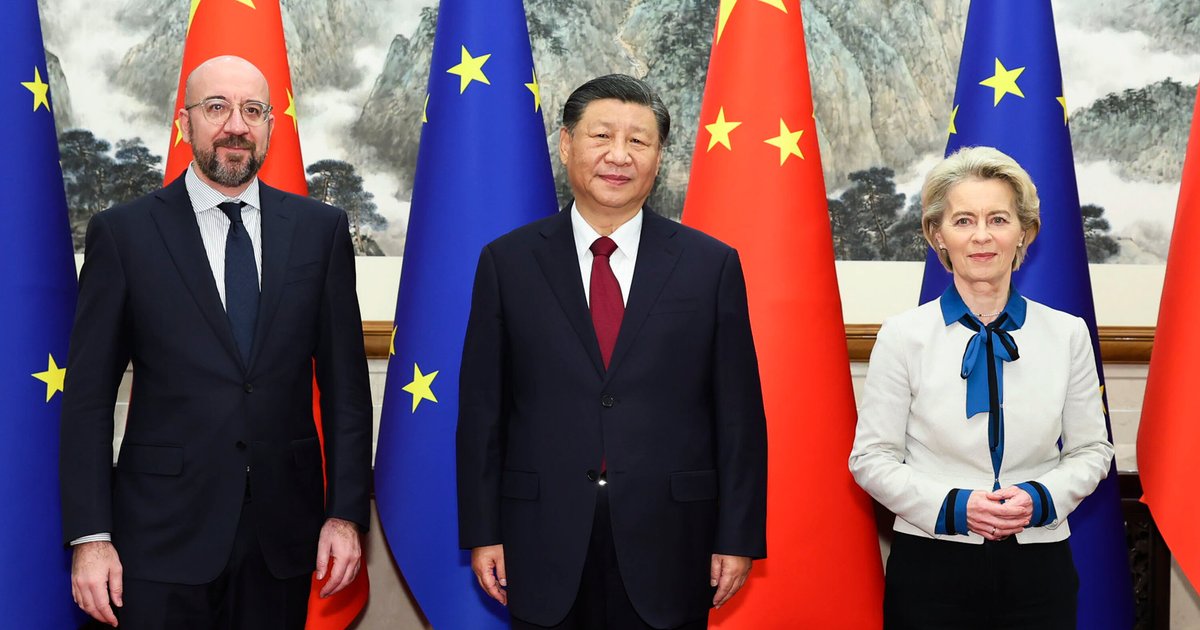
China has strongly criticized the plan announced by the European Union to support the industries of member states, threatening to take countermeasures if this plan is approved. This statement comes at a sensitive time when relations between Beijing and EU countries are experiencing heightened tensions.
Last March, the European Union unveiled new rules regarding the 'Made in Europe' label, aimed at supporting European companies seeking public funding in strategic sectors such as automobiles, clean energy, and steel. This move is part of the EU's efforts to address the economic and trade challenges posed by China.
Details of the European Plan
The European plan aims to enhance the competitiveness of local industries and includes a range of financial and legislative incentives. This plan has raised concerns in Beijing, which views it as an attempt to contain its growing economic influence in global markets. A spokesperson for the Chinese Foreign Ministry stated that such policies would escalate trade tensions between the two sides.
It is noteworthy that relations between China and the EU have experienced significant fluctuations in recent years, with increasing fears over Chinese economic dominance in various sectors. Several European countries have expressed a desire to reduce their reliance on China in supply chains.
Background & Context
Historically, China and the EU have enjoyed strong trade relations, with China being one of the EU's largest trading partners. However, these relations have begun to suffer due to a range of issues, including human rights, trade, and technology. This has led to rising tensions between the two sides, prompting each party to seek to strengthen its position on the international stage.
In recent years, China has launched the Belt and Road Initiative, aimed at enhancing trade links with many countries, including European nations. In contrast, the EU is striving to bolster its economic independence and reduce reliance on China.
Impact & Consequences
If the 'Made in Europe' plan is approved, it could lead to an escalation of trade tensions between China and the EU, potentially negatively impacting economic relations between the two parties. Additionally, the countermeasures that China may take could include imposing additional tariffs on European goods, which could exacerbate economic conditions on both sides.
This potential escalation could also affect global markets, as many countries rely on trade between China and the EU. Therefore, any changes in these relations could lead to fluctuations in financial and commodity markets.
Regional Significance
The relationship between China and Arab countries is significant, as China invests heavily in infrastructure and energy projects in the region. Any escalation in relations between China and the EU could impact Chinese investments in Arab countries, potentially negatively affecting economic growth in the region.
Furthermore, Arab nations may seek to strengthen their trade relations with the EU as an alternative should relations with China deteriorate. Thus, the current situation requires Arab countries to take strategic steps to ensure the stability of their trade relations with both parties.
In conclusion, the situation in China-EU relations remains tense, and both sides must work towards finding solutions that enhance cooperation and reduce tensions, benefiting the global economy.