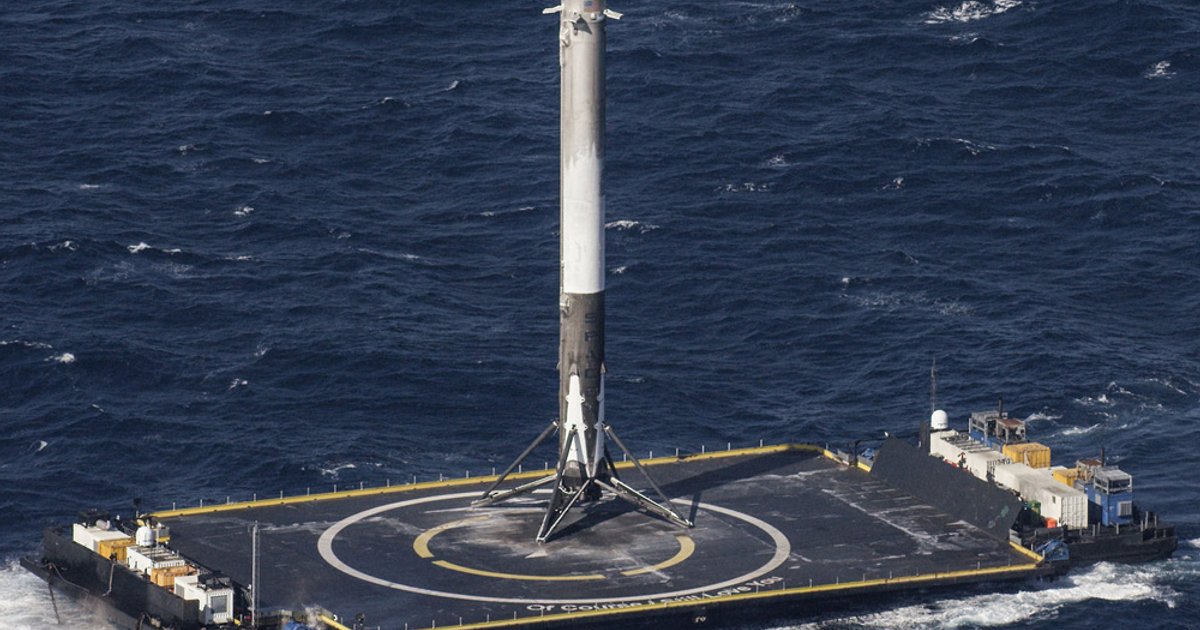
China has announced the failure of its first reusable rocket launch, an event that is considered a setback for its ambitious space program. The rocket, designed to reduce launch costs, failed to meet its objectives during the test flight, raising questions about the future of this technology in the country.
This failure comes at a time when China is striving to enhance its position as a leading space power, planning to launch more space missions in the coming years. This rocket was expected to contribute to accelerating launches and reducing costs, making space more accessible.
Details of the Incident
The rocket was launched from the launch center on Hainan Island, but shortly after takeoff, it encountered technical issues that led to its failure to achieve the flight objectives. Specific details regarding the reasons behind this failure have not been disclosed, but initial reports indicate a malfunction in one of the main systems.
This failure follows a series of successes that China has achieved in the space sector, including sending astronauts to its new space station. However, this incident highlights the challenges that Beijing still faces in its quest to develop advanced space technologies.
Background & Context
For years, China has sought to develop a comprehensive space program, having launched numerous satellites and spacecraft. Beijing has demonstrated its grand ambitions by sending astronauts into space and establishing its own space station. However, developing reusable rockets is a significant step towards reducing costs and increasing efficiency in launch operations.
This technology is pivotal in the modern space age, as many countries and private companies strive to develop reusable rockets. The United States, for example, has achieved significant successes in this field through SpaceX rockets.
Impact & Consequences
This failure could affect China's future plans in the space sector, potentially requiring a reassessment of its strategies and the development of new technologies. Additionally, this incident may impact investor and international partner confidence in the Chinese space program, which could hinder future cooperation.
Moreover, the failure to develop reusable rockets could delay China's ability to compete in the global market, where this technology is essential for reducing costs and increasing access to space.
Regional Significance
As Arab countries seek to enhance their capabilities in the space sector, China's failure in this project could serve as an important lesson. Arab nations, such as the United Arab Emirates, have already begun significant investments in space, and it may be beneficial for them to study the experiences of other countries, including China, to avoid potential mistakes.
Space technology is a promising field for Arab countries, as it can contribute to economic development and enhance innovation. However, failures in space projects could delay these ambitions.
In conclusion, the failure of China's first reusable rocket launch presents a significant challenge to its space program and reflects the difficulties faced by countries in developing advanced space technologies. Beijing will need to reassess its strategies and continue working to improve its technologies to achieve its future goals.