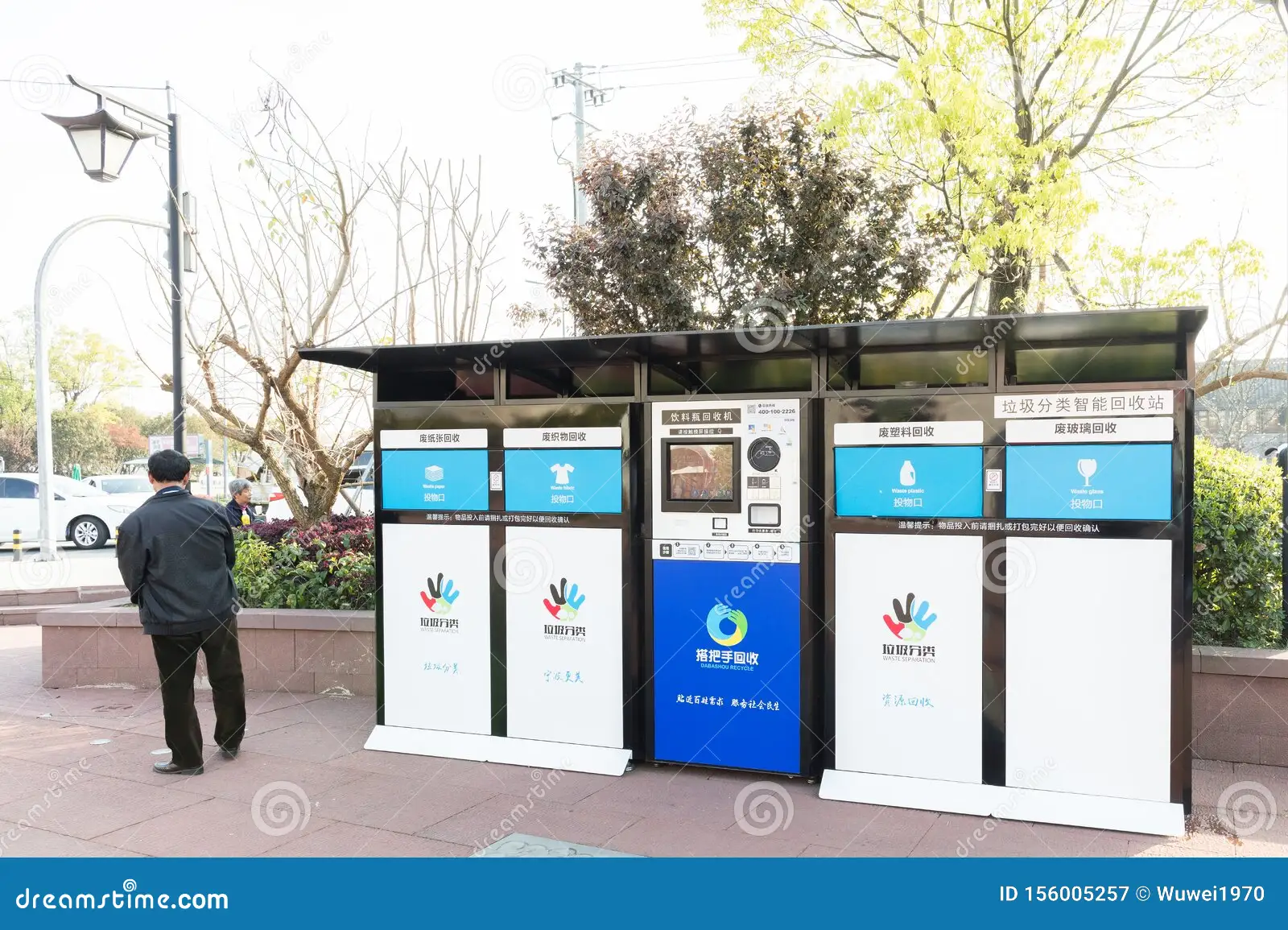
Three Chinese cities, Hangzhou, Sanya, and Suzhou, received international recognition from the United Nations for their innovative efforts in reducing waste and promoting a circular economy. This achievement was announced on March 27, coinciding with the upcoming Global Waste-Free Day, where these cities were selected as part of the "20 Cities Towards Zero Waste" initiative.
This initiative is part of the United Nations efforts to highlight cities that adopt innovative and sustainable solutions in waste management. These cities were chosen from among 20 cities worldwide, reflecting their commitment to sustainability and innovation in this field.
Event Details
The initiative aims to promote circular economic solutions and build more sustainable and resilient urban systems. The United Nations Human Settlements Programme and the United Nations Environment Programme noted that these cities are actively working to reduce waste through strategies that include organic waste management, reducing food waste, and enhancing recycling.
These cities also focus on engaging the community in awareness and behavioral change efforts, contributing to the achievement of sustainable development goals. Ingrid Rosbach, the Executive Director of the United Nations Human Settlements Programme, emphasized that this initiative demonstrates how local actions supported by strong governance and effective partnerships can contribute to the transition towards more sustainable urban systems.
Background & Context
Cities around the world face significant challenges in waste management, producing over 2.1 billion tons of solid waste annually. These figures are alarming, as waste impacts climate, biodiversity, and community health. Therefore, cities are a crucial part of global efforts to address the waste crisis.
In recent years, many cities have begun adopting new strategies to handle waste, reflecting a shift towards sustainable thinking. Through these initiatives, cities can play a pivotal role in achieving sustainable development goals.
Impact & Consequences
These recognitions serve as a strong impetus for other cities around the world to adopt similar practices. The success of Hangzhou, Sanya, and Suzhou can be a model to follow, demonstrating how innovation and collaboration among stakeholders can lead to significant improvements in waste management.
Moreover, these initiatives enhance public awareness of the importance of sustainability, potentially leading to positive behavioral changes in communities. Promoting the circular economy can also contribute to creating new job opportunities and stimulating economic growth.
Regional Significance
Arab countries face similar challenges in waste management, with many cities struggling with waste disposal issues. The Chinese experiences can inspire Arab countries to adopt new strategies in this field. By collaborating with international organizations and sharing experiences, Arab cities can make significant progress in waste management.
In conclusion, the recognition of these three Chinese cities represents an important step towards enhancing global sustainability. The commitment of these cities to waste reduction and resource management can serve as a model for the rest of the world.